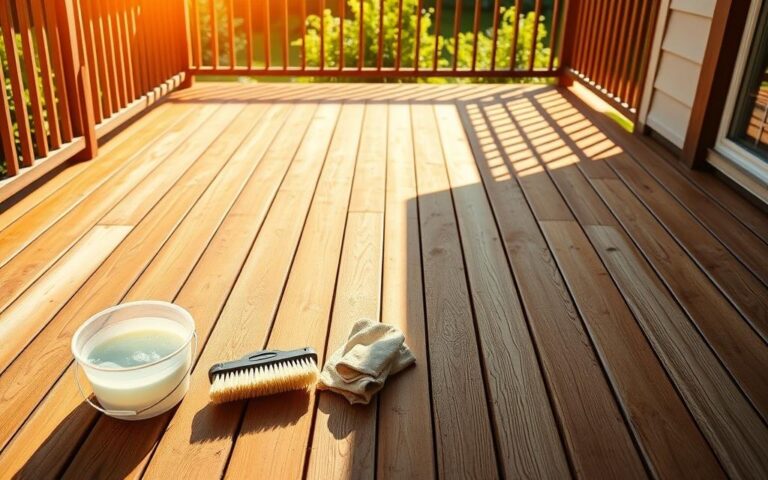

Nearly 70% of U.S. homeowners say a neglected patio lowers curb appeal more than an overgrown lawn. This shows outdoor surfaces matter. This guide offers practical and fast patio cleaning tips to restore stone, pavers, concrete, tile, slate, and wood without wasting your weekend.
The audience includes homeowners, renters with patios, and property managers across the United States. It explains how to clean patios effectively with step-by-step routines and tool recommendations. Readers will find both DIY and professional options for fast results.
The focus is on quick wins: safer, less slippery surfaces, longer material life, and fewer costly repairs over time. Readers will find surface-specific techniques and touch-up methods before guests arrive. There are hacks for stubborn stains, seasonal patio maintenance advice, and guidance on when to hire a pro.
Throughout, simple safety tips and product suggestions help readers act confidently. Each method caters to different needs and surfaces, making cleaning easier.
Key Takeaways
- Practical patio cleaning tips help boost curb appeal and reduce slip risks.
- Knowing how to clean patios effectively saves time and repair costs.
- Different surfaces need tailored methods—stone, concrete, tile, and wood vary.
- Quick routines and targeted hacks fix common stains before they set.
- Seasonal patio maintenance advice extends the life of outdoor flooring.
- Professionals are worth calling for severe damage or large jobs.
patio cleaning tips

Clean patios boost curb appeal and make outdoor spaces inviting. A tidy surface increases the home’s value at resale. Homeowners who follow basic tips enjoy immediate visual gains and long-term benefits.
Why focusing on patio cleaning tips matters for curb appeal and longevity
Regular cleaning removes stains, leaves, and mildew that dull surfaces like pavers, concrete, and tile. This keeps colors bright and textures crisp. A well-cared-for surface makes the entire property look maintained.
Removing growth and salt limits freeze-thaw damage and slows joint erosion. This helps extend the life of pavers, grout, and wood. Expert tips guide owners in choosing the right cleaners and routines for each material.
How regular patio care prevents costly repairs
Small stains and early mildew are easy to treat. If unchecked, these issues can penetrate deeper and need costly repairs. Routine washing and spot treatment prevent problems before they damage the structure.
Prompt removal of oil, tire marks, and biological growth stops deep stains on concrete and pavers. Following maintenance advice helps avoid the need for repointing, sanding, or board replacement.
Overview of common patio surface problems to target
Pavers often show efflorescence, joint erosion, and shifting. Concrete attracts oil, grease, and tire marks that darken surfaces. Tile and slate face grout discoloration, while wood decks suffer from mildew and gray streaks due to sunlight and moisture.
Rust spots and deep food stains can appear on all surfaces. The choice of cleaner and maintenance frequency should match regional climates. In humid areas, growth and mildew need more frequent cleaning.
In freeze-thaw regions, salt and water intrusion need careful winter prep and spring maintenance. Following expert cleaning tips keeps surfaces attractive and reduces long-term costs.
Small, regular efforts can prevent bigger problems later on.
Preparing the patio for a quick and effective clean
Careful prep steps make a big difference when learning to clean your patio effectively. Clear the area first. Check the surface and protect nearby plants to speed up the job.
The right preparation helps you choose the best cleaning methods and suitable tools and products.
Clearing furniture, plants, and debris safely
Start by removing furniture, rugs, and large planters. Then, move delicate plants to a safe spot. This prevents damage from chemicals or runoff.
Use a broom or leaf blower to gather loose leaves, dirt, and small debris into easy-to-collect piles.
Assessing surface type and damage before choosing a method
Identify the material: concrete, natural stone, porcelain tile, slate, wood, composite decking, or interlocking pavers. Look for cracks, loose joint sand, and flaking sealers.
Note signs of algae, mold, or oil stains. This inspection will help you choose the best cleaning methods and tools.
Safety gear and site preparation to protect plants and surfaces
Wear gloves, eye protection, and a mask or respirator for strong cleaners. Also, wear closed-toe shoes for safety.
Cover nearby plants with plastic sheeting. Watering them before cleaning can help dilute chemical exposure.
Use garden hoses to dilute cleaners. Place plugs or mulch barriers near drains to contain runoff.
Avoid discharging concentrated cleaners into municipal systems. This protects both soil and waterways from harm.
Best patio cleaning techniques for stone and pavers
Stone and paver patios need simple and careful care. Using the right cleaners and pressure settings keeps surfaces fresh. These tips focus on gentle actions, stronger measures when needed, and restoring joint sand after deep washes.
Using mild detergent solutions for everyday stains
For dirt and light stains, diluted dish soap or a pH-neutral stone cleaner works best. Apply the solution with a stiff nylon brush and scrub small areas. Rinse thoroughly with a garden hose to avoid soap residue that can attract dirt.
Avoid acidic cleaners on calcareous stones like limestone and travertine. These materials etch easily, so pick cleaners safe for natural stone.
Pressure washing: settings and distance for stone
Pressure washing strips grime quickly when used correctly. Aim for 1500–2000 psi with a fan tip for most stones and pavers. Hold the nozzle 12–24 inches away and use steady sweeping motions to reduce etching risks.
Softer stones need lower pressure and a greater distance. Test a small area first to check the setting and inspect for surface damage.
Treating joint sand and re-sanding after deep cleaning
After washing, remove excess mud and vegetation from joints with a stiff broom. For polymeric sand, let joints dry before applying new material. Follow the manufacturer’s curing steps to lock it in.
For standard kiln-dried sand, refill joints, then compact with a plate compactor or hand tamper. Sweep away extra sand to leave clean lines between pavers.
| Task | Recommended Product or Tool | Key Tip |
|---|---|---|
| Everyday stain removal | Diluted dish soap or pH-neutral stone cleaner | Use a stiff nylon brush and rinse well |
| Heavy dirt and moss | Pressure washer (1500–2000 psi), fan tip | Keep 12–24 inches from surface; sweep nozzle |
| Joint cleaning | Stiff broom, joint scraper | Clear mud and vegetation before re-sanding |
| Re-sanding joints | Polymeric sand or kiln-dried sand | Ensure joints dry; compact sand after filling |
| Post-clean protection | Breathable, stone-appropriate sealer | Apply only after surface is fully dry to avoid trapped moisture |
Choosing the right cleaning tools and products is important. Quality brushes, a good pressure washer, and the right sand or sealer help protect materials. Use these best patio cleaning techniques with consistent maintenance.
Regular efforts prevent tough buildup and extend the life of stone and paver surfaces.
Best patio cleaning techniques for concrete surfaces
Concrete patios need special care to stay clean and last longer. This guide shares steps for removing oil and grease. Readers will learn about pressure washing and sealing options to keep concrete looking great.
Alkaline cleaners and degreasers for oil and grease
Commercial concrete degreasers break down oil and lift stains faster than regular soap. For tough spots, try trisodium phosphate (TSP) alternatives as directed. Apply the cleaner, wait for the recommended time, then scrub with a stiff brush.
For small spills, sprinkle absorbents like cat litter or baking soda. Let them sit for several hours, then sweep up. Treat any remaining stain with degreaser and rinse thoroughly before moving on to sealing.
Concrete-safe pressure washing tips and precautions
Use a pressure washer rated 2500–3000 psi for deep cleaning concrete slabs. Attach a 25-degree nozzle and keep the wand 12–18 inches away while moving steadily. This helps reduce the risk of damaging the surface.
Avoid long exposure on cracks or older concrete. Test a small, hidden area first to check for discoloration. If needed, use acid-based brighteners carefully and neutralize according to the label to protect plants.
Applying concrete sealers after cleaning for protection
Once the surface is dry, choose a sealer that fits the desired sheen and breathability. Acrylics add shine and are affordable. Silane/siloxane products repel water while allowing vapor exchange.
Proper surface preparation is key. Remove all dust and residue before sealing. Reapply the sealer every 2 to 5 years, depending on the product and weather. A good sealer helps reduce stains and makes cleaning easier.
| Task | Recommended Product or Setting | Key Steps | Reapplication / Notes |
|---|---|---|---|
| Oil and grease removal | Commercial concrete degreaser or TSP alternative | Apply, wait as directed, scrub with stiff brush, rinse | Spot-check before repeating for deep stains |
| Small fresh spill | Absorbent: clumping cat litter or baking soda | Cover spill, wait hours, sweep, treat remaining stain | Quick action limits penetration |
| Pressure washing | 2500–3000 psi; 25° nozzle | Keep 12–18″ distance, use steady strokes, test patch first | Avoid damaged or thin surfaces |
| Concrete brightening | Acid-based brightener | Use only when needed, follow label, neutralize after | Protect plants and nearby surfaces |
| Sealing | Acrylic, silane/siloxane, or epoxy | Clean and dry surface, apply per instructions, allow to cure | Reapply every 2–5 years depending on wear |
Tile and slate patio cleaning methods that protect grout
Tile and slate patios need careful cleaning to protect grout and finishes. Choosing the right products helps avoid dulling and damage. The guidance below offers cleaning tips, solutions, and the best tools for everyday care.
Choosing pH-neutral cleaners to preserve tile finish
pH-neutral cleaners help protect natural slate and delicate glazes. Look for phosphate-free, pH-neutral tile cleaners from reliable brands like Zep or Black Diamond Stoneworks. Avoid acidic cleaners, such as vinegar or muriatic acid, on slate and some porcelain finishes.
Always test any cleaner on a hidden spot before using it widely.
Grout cleaning: brush choices and cleaning mixes
Choose brushes based on grout hardness. A nylon grout brush works best for soft grout. For firmer grout, a brass-bristle brush cleans effectively without too much wear.
For organic stains, use a diluted hydrogen peroxide solution to lift spots safely. To gently whiten, apply a baking soda paste, scrub lightly, and then rinse.
For tougher stains, consider commercial grout cleaners with oxygen bleach. Follow the directions on the label and rinse thoroughly to remove residue. Use a soft scrub pad on tile faces to avoid scuffs while focusing stiffer brushes on grout lines.
When to reseal grout and tile joints
Cementitious grout often needs resealing every 1–3 years. This timing depends on sun exposure, rain, and foot traffic. Silicone-based joint sealants may be needed at edges where water can get in.
After cleaning, allow grout to dry fully, which can take 24 to 72 hours depending on the product and weather. Always follow manufacturer instructions for cure times and reapplication.
Proper resealing keeps joints water-resistant and reduces cleaning frequency. Pair sealant application with the right tools and products to extend the life of your tile and grout. This will also make future cleaning faster and easier.
Wood deck and patio cleaning solutions
Wood decks require careful care to remain safe and attractive. This guide gives practical cleaning tips to protect timber fibers. It helps remove mildew, gray buildup, and grime.
Gentle cleaners that preserve wood
Use oxygen bleach-based cleaners, like sodium percarbonate, or dedicated wood deck cleaners from brands like Behr or Cabot. These cleaners remove mildew without lifting the grain. Avoid high-pH detergents and chlorine bleach except for spot treatment on tough stains.
Soft washing and pressure guidelines
Soft washing systems with professional biocides are effective on older, weathered boards. If you use a pressure washer, set it to 500–800 psi with a wide-angle nozzle. Keep the nozzle 12–18 inches from the surface and move steadily to prevent damaging the boards.
Stain and seal for long-term care
Allow the wood to dry completely for 48–72 hours before staining. Apply semi-transparent or transparent stains and water-repellent sealers from trusted brands like Thompson’s WaterSeal or Cabot. Follow the manufacturer’s instructions on temperature and recoating, usually every 2–3 years.
Quick maintenance checklist
- Sweep debris weekly to reduce trapped moisture.
- Spot-clean spills promptly using a mild cleaner.
- Inspect fasteners and boards before sealing.
When to call a pro
For large decks, severe rot, or tough stains, hire a certified contractor. Professional cleaning tips can help extend deck life. They ensure stains and sealers are applied correctly.
Top patio cleaning hacks for stubborn stains
Stubborn stains need a clear plan and the right materials. The following tips focus on simple techniques and household items. These methods work on concrete, stone, tile, and wood without harming plants.
Rust, wine, and food stains
Lemon juice mixed with salt lifts rust from tile and concrete when scrubbed gently. For deeper rust, use a safe commercial rust remover. Wine and berry stains respond best to quick blotting, followed by a light hydrogen peroxide application on porous surfaces.
For tougher marks, diluted oxygen bleach can be effective.
Enzyme-based cleaners for organic soils
Enzyme cleaners break down proteins and oils in pet stains, food spills, and mold. Products like Nature’s Miracle or Zep Biological Cleaner digest stains instead of just masking them. Apply as directed, allow time to work, then rinse thoroughly.
This method ranks high among cleaning hacks because it helps reduce odors and prevents stains from returning.
Grease and oil removal
Baking soda or powdered absorbents can draw oil out of concrete and pavers. Make a paste with dish soap for fresh grease; spread it over the spot. Let it sit, scrub with a stiff brush, and enjoy an effective, low-cost cleaning solution.
DIY poultices and paste treatments
Combine an absorbent—like diatomaceous earth, baking soda, or talc—with hydrogen peroxide or a dilute cleaner for a thick paste. Apply this over the stain, cover it with plastic, and tape the edges. Let it sit for 24–48 hours, then remove, scrape, and rinse.
Remember to test a small area first, as strength and dwell time can vary by surface.
Application tips and safety
- Always test any cleaner or poultice on a hidden patch before full use.
- Rinse thoroughly after treatment to avoid residue buildup.
- Protect plants by wetting nearby soil and rinsing runoff away from roots.
These top patio cleaning hacks work well with routine maintenance. They help keep outdoor surfaces looking their best while saving you time and money.
Quick patio cleaning methods for last-minute touch-ups
When guests arrive in an hour, a quick routine can save the day. This section shares effective patio cleaning methods. You can complete them in 15–30 minutes without risking surface damage.
Fast sweep-and-wash routines before guests arrive
A focused 15–30 minute routine starts with a quick sweep to remove leaves and grit. Then, spot-spray high-traffic areas with a hose or cordless pressure washer. Scrub visible stains with a stiff brush and all-purpose cleaner.
Finally, return furniture and planters to tidy up the space.
Spot-cleaning kits and portable cleaners for quick fixes
Keep a compact kit ready for emergencies. Use a cordless pressure washer, a bottle of multi-surface cleaner, microfiber cloths, and a small scrub brush. Store diluted cleaner in a spray bottle for quick application.
These tools help you respond to spills and make touch-ups easy.
Speedy drying techniques to get back to use faster
Remove excess water with a rubber squeegee. Use a leaf blower on a low setting for pavers. In warm weather, portable fans speed up evaporation and reduce streaks.
Avoid heavy foot traffic until the surface is mostly dry to prevent marks and scuffs.
Following simple patio cleaning tips keeps outdoor areas guest-ready. Quick methods make upkeep less stressful and maintain surface condition.
DIY patio cleaning solutions that are safe and effective
Simple home remedies make patio cleaning easy for most homeowners. DIY solutions can cut costs and keep surfaces safe. The guidance below covers gentle recipes and eco-friendly options.
For light mildew on concrete or tile, mix white vinegar and water in a 1:1 to 1:3 ratio. Avoid using vinegar on natural stones like marble or limestone. A baking soda paste—three parts baking soda to one part water—removes oil and food stains without harsh chemicals.
To remove grease, combine 1–2 tablespoons of mild dish soap per gallon of warm water. Scrub with a stiff brush in small sections and rinse well to avoid residue.
Eco-friendly cleaners that won’t harm plants or pets
Oxygen-based bleach (sodium percarbonate) is biodegradable and brightens grout and pavers. Citrus-based degreasers remove oil without leaving harmful toxins. Choose plant-safe enzyme cleaners that safely break down organic stains near flower beds.
When picking a product, look for EPA Safer Choice or Green Seal labels. These certifications ensure a lower impact on the environment.
How to test a DIY solution on a small area first
Always test any cleaner in an unnoticeable corner for colorfastness and surface reaction. Apply the cleaner, let it sit for the recommended time, and then rinse. Watch the area for 24–48 hours for any discoloration or damage.
If there’s no problem, proceed across the patio. If you see staining or etching, stop and choose a different method.
Practical tips include working on small areas and scrubbing diagonally. Rinse well to avoid leaving any residue. For more tips and methods, see this short guide on patio maintenance.
patio cleaning tips and detailed methods
Patio cleaning tools and products professionals recommend
Choosing the right gear makes deep cleaning faster and safer. Professionals use pressure washers, hand tools, and targeted cleaners for each surface. This mix prevents damage while providing lasting results.
Choosing the right pressure washer, nozzles, and accessories
Electric units from Sun Joe and Kärcher work for light-duty jobs and delicate surfaces. Gas-powered or Honda models handle heavy grime and large areas. A 1500 PSI electric washer is great for regular washes.
A 3000+ PSI gas unit is for tough deposits on concrete. Nozzle choice matters; use 40° for rinsing and 25° for cleaning. Use 15° for spot removal. The 0° nozzle is for stubborn marks only from a safe distance.
Surface cleaners provide even coverage on flat patios. Use extension wands and adjustable regulators to reduce damage risks. Always test start on a hidden patch for safety. For more tips on matching tools to surfaces, see recommended guidance.
Hand tools: brushes, scrapers, and brooms that work best
Start with a stiff-nylon push broom to remove loose debris. Use deck brushes with long handles to cut down on elbow strain while scrubbing. Grout and handheld wire brushes manage narrow joints but avoid wire on soft stone.
Plastic scrapers can remove adhesive, paint, and gum safely. A leaf blower quickly clears dry debris before the wet cleaning. Finish up with a squeegee to pull off water and speed drying.
These tips help reduce the need for rework and maintain the finish.
Commercial cleaners and sealers worth the investment
Pick cleaners based on the type of soil. Zep Concrete Cleaner and Simple Green Oxy Solve are good for general stains. Wet & Forget works well on moss, algae, and mildew when used correctly.
Non-toxic options like Simple Green products and oxygen-based cleaners are great choices too. Sealers protect cleaned surfaces effectively. Penetrating sealers from Foundation Armor are perfect for pavers and breathable natural stone.
Topical sealers from Valspar or Rust-Oleum give a nice wet-look finish on concrete and brick. Always follow coverage rates and recoat intervals on the product label for proper protection.
| Tool / Product | Best Use | Recommended Brands | Notes |
|---|---|---|---|
| Light electric pressure washer | Routine cleaning, delicate stone | Sun Joe, Kärcher | Lower PSI, easier control; start with wide nozzle |
| Gas pressure washer | Heavy grime, concrete | Simpson, Honda-powered units | High PSI; use cautiously to avoid surface damage |
| Surface cleaner attachment | Even coverage on flat patios | Many pressure washer brands | Reduces streaking and speeds cleaning |
| Brooms & brushes | Debris removal and scrubbing | O-Cedar (brooms), generic deck brushes | Stiff nylon best for most outdoor floors |
| Scrapers & grout brushes | Adhesive, paint, grout cleaning | Hand tool brands | Plastic scrapers avoid scoring; grout brushes reach joints |
| Bio and stain cleaners | Moss, mildew, organic stains | Wet & Forget, Simple Green Oxy Solve | Follow dwell times; rinse as directed |
| Concrete cleaners | Grease and oil | Zep Concrete Cleaner | Often paired with degreasing action and pressure wash |
| Sealers | Protect and extend results | Foundation Armor, Valspar, Rust-Oleum | Select penetrating for stone, topical for glossy finish |
Applying the best patio cleaning techniques means matching tools to the job. Careful selection of equipment, brushes, and cleaners saves time and protects materials. Simple choices and the right products deliver professional-level results for homeowners.
How to clean patio effectively: step-by-step workflows
A clear workflow helps homeowners clean outdoor spaces confidently. This section provides a preparation checklist and compares deep clean versus routine maintenance. It also highlights weather conditions to achieve the best results.
Use these patio cleaning tips and methods to make the job easier and protect your surfaces.
Preparation checklist and sequence of tasks
First, remove furniture, planters, and loose items from the area. Sweep or blow leaves off the surface to clear debris.
Next, gather your tools: a broom, stiff brush, pressure washer or hose, bucket, pH-safe cleaners, joint sand, and PPE. Before use, always test a cleaner on a small, hidden patch.
Protect any surrounding plants and drainage areas. Pre-wet sensitive plants to minimize runoff and cover drains to prevent clogs. Use plastic or plywood when pressure washing near delicate areas.
Deep clean workflow versus routine maintenance workflow
The deep clean workflow restores patios effectively. Start by pre-treating stains with an appropriate remover for grease or rust. Then, apply the cleaner and let it sit to break down grime.
Scrub the joints and surfaces with your brush, then pressure wash or rinse well. Allow the area to dry thoroughly before repairing any joints or cracks as needed.
After repairs, re-sand pavers and apply a sealer suited for the material to ensure lasting protection.
The routine maintenance workflow keeps your patio looking good. Sweep every month and clean up spills promptly with a cloth and mild cleaner.
Every three months, perform a light wash and check for any damage. Schedule a deep clean and reseal once a year or as needed.
Timing and weather considerations for best results
Choose dry, mild days for cleaning and sealing, ideally between 50–85°F with low wind. These conditions help cleaners work effectively.
Avoid cleaning just before heavy rain or during extreme heat. After sealing, let the area dry for 24–72 hours before using it again.
Quick patio cleaning methods are most effective when scheduled around good weather to minimize extra work.
Removing algae, moss, and mildew from outdoor surfaces
Biological growth on patios makes them look dull and can create hazards. This guide covers how to identify, treat, and prevent these issues. Readers can use practical patio cleaning tips to avoid problems in the future.
Identifying growth and its risks
Algae appears as a thin green, slippery film on stone and concrete. Moss forms dense, cushiony green clumps that lift pavers and hold moisture. Mildew shows as black or gray spots on grout, tiles, and wood.
Each type weakens materials over time and raises the risk of slips and falls.
Treatment options: biocides, gentle scrubbing, and pressure washing
For concrete and hard surfaces, diluted sodium hypochlorite (household bleach) works well when mixed safely. Oxygen bleach is a milder option for colored stone and tile. Commercial products like Wet & Forget can also help, but follow label directions.
Apply a biocide, let it sit as instructed, and then remove residue with a soft brush. Low-pressure washing at a wide angle will clear loosened growth without damaging surfaces. For wood, avoid using high pressure.
Combine chemical treatment with gentle scrubbing to lift roots and spores effectively.
Prevention strategies to minimize regrowth
Improving drainage and increasing sunlight reduces humidity that feeds moss and mildew. Trim overhanging trees and shrubs to increase airflow. Copper or zinc strips on wood deter moss by releasing metal ions.
Using fungicidal sealers on stone and wood helps slow down recolonization. Schedule regular maintenance during humid months to catch regrowth early. Regular care reduces the need for harsh chemicals and extends the life of outdoor surfaces.
Seasonal patio maintenance advice to keep surfaces pristine
Seasonal care keeps patios healthy and extends their lifespan. Short tasks prevent big repairs and help with cleaning tips. Below is guidance to protect pavers, concrete, tile, and wood as the weather changes.
Spring deep-clean checklist and repairs
After winter, check the patio for salt damage, cracks, and blocked drains. Remove salt and grit quickly to limit surface damage. Perform a full deep clean using recommended cleaners for your patio’s surface.
Re-sand paver joints and repair cracks in concrete. Replace any warped boards on wood decks. Reseal any surfaces that lost protection over winter.
Good maintenance advice stresses fixing small issues now to avoid costly restoration later.
Summer care: stain prevention and regular washing
Summer brings spills, pollen, and heavy use. Clean spills quickly to avoid permanent marks, especially under grills and planters. Use outdoor rugs or mats to protect finishes from spills.
Run gentle monthly washes to remove dust and pollen. Avoid sealing in high heat, as sealers can trap solvents. These cleaning tips keep surfaces attractive and safe for gatherings.
Fall preparation and winterizing to avoid freeze damage
Clear leaves and debris often to prevent stains and mold. Check gutters and drainage to ensure water moves away from the patio. Apply a compatible sealer before freeze-thaw cycles when conditions allow.
Store cushions and protect your furniture. Ensure wood boards are dry before cold weather to reduce splitting. Avoid de-icing salts on sensitive surfaces; use sand or pet-safe options instead.
These steps show how to clean a patio while preparing for winter stresses.
| Season | Key Actions | Why it matters |
|---|---|---|
| Spring | Inspect for salt and cracks, deep clean, re-sand joints, reseal where needed | Fixes winter damage early and restores protective layers |
| Summer | Spot-clean spills fast, monthly light washes, use mats under grills/planters | Prevents stains and reduces buildup from pollen and dust |
| Fall | Clear leaves, check drainage, apply sealer if suitable, protect furniture | Limits staining and mold, prepares surfaces for freeze-thaw cycles |
| Winter | Avoid de-icing salts on sensitive surfaces, use sand or pet-safe options, keep wood dry | Prevents surface damage and reduces splitting on wood |
Expert patio cleaning tips for long-term surface protection
Routine care helps outdoor surfaces last longer. It also keeps patios safe and enjoyable to use. The right mix of maintenance, repairs, and professional help can maintain value and prevent costly replacements.
Below are focused recommendations for long-term protection. These pair with effective patio cleaning techniques and the right tools and products.
When to call a professional cleaner or restoration service
Hire a professional when stains are hard to remove or when serious structural problems arise. Severe stains from oil, paint, or chemicals often need professional help. Large cracks, settling pavers, and loose mortar require specialists to avoid further damage.
Professionals have powerful pressure washers and steam cleaners. They also use special poultices that most homeowners do not own. Fragile materials, like historic stone or composite decking, often need expert care to prevent damage.
Choosing sealants and protective coatings for each surface
Select sealers based on the material, foot traffic, and climate. For concrete and pavers, use silane/siloxane sealers. These protect against water while allowing moisture to escape.
For timber decks, choose oil-based stains or penetrating wood sealers. These are designed for UV protection and moisture resistance. Always follow the manufacturer’s recommendations on products like Thompson’s WaterSeal or Rust-Oleum.
Budgeting for periodic professional maintenance
Costs can vary based on size and condition. DIY supplies for a typical patio usually cost between $50 and $300. Renting a pressure washer costs about $50 to $150 per day.
Professional cleaning can range from $200 to $800 depending on severity and area. Sealing services typically fall between $300 and $1,200.
Plan maintenance every 1 to 3 years based on wear and climate. Remember to account for occasional repairs, re-sanding joints, or replacing damaged pavers in your long-term budget.
Use expert patio cleaning tips to decide when to DIY and when to hire help. Keep a small kit of reliable cleaning tools for routine maintenance. Apply effective patio cleaning techniques to protect surfaces and extend their life.
Conclusion
To keep a patio looking its best, start with the basics. Identify the surface, clear the area, and choose the right cleaners and tools. This applies to stone, concrete, tile, or wood.
Using practical patio cleaning tips and step-by-step workflows makes touch-ups quick and deep cleans more effective. Regular cleaning actions help prevent stains, algae, and joint failure. This also cuts down on long-term repair costs.
When people learn to clean their patios effectively, they boost safety and curb appeal. Using proper pressure-washer settings and pH-appropriate solutions preserves the finish. Seasonal maintenance, like spring deep cleans and fall winterizing, extends surface life and reduces costs.
For everyday upkeep, create a compact maintenance kit. Include a broom, stiff brush, mild cleaner, absorbent cloths, and a spot-treatment set. Always test cleaners on a hidden area and ask a professional for complex jobs.
Consistently applying these patio cleaning tips will help restore and maintain your outdoor surfaces quickly and effectively.