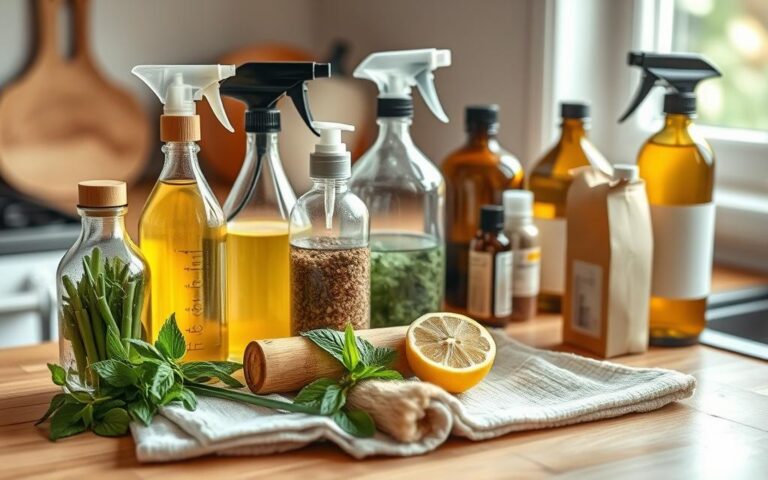

Studies show the average American home contains more than 62 toxic substances in cleaning products alone. These harsh chemicals hide in cabinets under sinks and in closets across the nation. Many families don’t realize they bring dangerous toxins into their living spaces every day.
The air inside homes can be two to five times more polluted than outdoor air. Conventional cleaning products release volatile organic compounds that linger in the air long after cleaning ends. These invisible chemicals affect breathing and overall health without most people noticing the danger.
Non-toxic cleaning methods offer a smart solution for families seeking safer alternatives. By switching to natural ingredients and eco-friendly products, households can dramatically reduce exposure to harmful substances. Creating a healthier indoor environment starts with understanding what goes into cleaning supplies and learning better ways to clean.
This guide explores practical methods that work just as well as conventional products. Readers will discover simple recipes using everyday items like vinegar and baking soda. The benefits reach far beyond a spotless home.
Families gain peace of mind knowing their loved ones breathe cleaner air. They also avoid unnecessary chemical exposure in their daily lives.
Key Takeaways
- Toxic chemicals in conventional cleaners create indoor air pollution that harms family health
- Natural ingredients like vinegar and baking soda work effectively for all cleaning tasks
- Non-toxic cleaning methods save money by using affordable household items
- Switching to eco-friendly products protects both your family and the environment
- Safe cleaning alternatives work without leaving harmful chemical residues behind
- Learning these methods takes minutes and requires no special training or equipment
- A healthier home starts with making one simple change at a time
Understanding Non-Toxic Cleaning
Learning about non-toxic cleaning helps create a safer living space. Many households use traditional cleaners without understanding the risks they pose. Understanding the basics helps people make smarter choices about what they bring into their homes.

What Are Non-Toxic Cleaners?
Non-toxic household cleaners are products made from plant-based ingredients that clean effectively. These cleaners use substances like vinegar, baking soda, and essential oils. Natural cleaning products work by targeting the molecular structure of stains.
Unlike conventional cleaners, they do not contain ammonia, bleach, or other dangerous compounds. Chemical-free cleaning methods rely on simple ingredients that people can find in their kitchens. The Environmental Protection Agency confirms that plant-based cleaners meet sanitation standards when used correctly.
Importance of Non-Toxic Cleaning
Using non-toxic cleaning tips protects children and pets from exposure to dangerous substances. Young children crawl on floors and put their hands in their mouths frequently. Pets spend time on carpets and furniture throughout the day.
Traditional cleaners leave chemical residues that can cause respiratory problems and skin irritation. These harmful substances create health issues over time.
- Reduces respiratory problems from chemical fumes
- Prevents skin irritation and allergic reactions
- Creates a safer space for babies and toddlers
- Protects pets from toxic exposure
- Improves indoor air quality
Common Misconceptions
Many people believe that natural cleaning products do not work as well as harsh chemicals. This is not true. Non-toxic household cleaners can disinfect and sanitize just as effectively when used properly.
Another misconception is that green cleaning costs much more money. In reality, basic ingredients like vinegar and baking soda cost very little. Most natural solutions work quickly when given proper contact time.
People often assume that all-natural products smell bad. Plant-based cleaners actually smell fresh and pleasant when essential oils are added.
| Misconception | Reality |
|---|---|
| Natural cleaners are less effective | They meet EPA sanitation standards and clean thoroughly |
| Non-toxic products cost more | Basic ingredients are affordable and budget-friendly |
| Green cleaning takes longer | Results appear quickly with proper application |
| Plant-based products smell unpleasant | They have fresh, natural fragrances from essential oils |
Understanding these facts about non-toxic cleaning removes barriers to switching from conventional products. Families can feel confident making changes that benefit their health and home environment.
Benefits of Non-Toxic Cleaning
Switching to non-toxic household cleaners offers numerous advantages beyond just keeping spaces clean. People who make this change discover improvements in their health, environment, and wallets. Understanding these benefits helps homeowners make informed decisions about products they bring home.
Health Advantages
Traditional cleaning products release harmful chemicals into the air that people breathe every day. These substances can irritate the respiratory system and trigger allergic reactions in family members. Non-toxic household cleaners eliminate these dangers by using natural ingredients safe for everyone.
Families with children and pets benefit most from this switch. Young children touch surfaces and put their hands in their mouths, making chemical exposure risky. Pets may lick floors and furniture, increasing their contact with harmful substances.
Choosing non-toxic options reduces these health risks significantly.
- Reduced respiratory irritation and coughing
- Fewer allergic reactions and skin sensitivities
- Lower risk of chemical poisoning incidents
- Decreased headaches from chemical fumes
- Better sleep quality without toxic odors
Environmental Impact
Green cleaning tips emphasize protecting the natural world. Traditional cleaners rinsed down drains send toxic chemicals into local water systems. These substances harm aquatic life and contaminate drinking water supplies.
Sustainable cleaning practices use ingredients that break down safely in water. Vinegar, baking soda, and essential oils dissolve naturally without leaving harmful residues. Water treatment facilities struggle to remove synthetic chemicals completely, but natural ingredients pose no challenges.
| Cleaning Method | Water System Impact | Ecosystem Risk |
|---|---|---|
| Traditional Chemical Cleaners | Toxic runoff contaminates municipal water | Fish and aquatic plants harmed |
| Non-Toxic Natural Cleaners | Safe biodegradable breakdown | No ecological damage |
Cost-Effectiveness
Eco-friendly cleaning solutions prove more affordable than people expect. Commercial cleaning brands charge premium prices for fancy packaging and marketing. Natural alternatives cost a fraction of the price while delivering equal or superior results.
A gallon of white vinegar costs under three dollars and handles dozens of cleaning tasks. Baking soda boxes sell for less than a dollar each. These basic ingredients replace multiple expensive specialty cleaners that sit in cabinets unused.
Over one year, families switching to sustainable cleaning practices spend significantly less money. Bulk purchases of simple ingredients create better value than buying individual branded products.
- Vinegar: cleans windows, floors, and countertops
- Baking soda: scrubs surfaces and removes odors
- Essential oils: add fragrance naturally
- Castile soap: handles delicate fabrics safely
Choosing natural cleaning methods is not about sacrifice—it is about smart choices that protect what matters most while saving money in the process.
Switching to non-toxic household cleaners represents a win for personal health and environmental protection. These benefits create a compelling case for families seeking a healthier way to live.
Essential Non-Toxic Ingredients
Building a non-toxic cleaning arsenal starts with understanding basic ingredients that work best. Many families find that two simple pantry staples form the foundation of effective cleaning. These natural cleaning products cost less than commercial alternatives and perform just as well.
Vinegar as a Cleaning Agent
White vinegar serves as a powerhouse for tackling mineral deposits and cutting through grease. This natural cleaning product contains acetic acid, which breaks down buildup without harsh chemicals. Homeowners can use vinegar to clean windows, disinfect surfaces, and remove soap scum from bathrooms.
Following environmentally safe cleaning tips means diluting vinegar properly—typically one part vinegar with one part water. The strong smell disappears quickly as vinegar dries.
Baking Soda: The Versatile Cleaner
Baking soda works as a gentle abrasive and deodorizer throughout the home. This ingredient removes stubborn stains from countertops, scrubs tile grout, and eliminates carpet odors. Many non toxic cleaning tips recommend sprinkling baking soda directly on surfaces before scrubbing.
It pairs perfectly with vinegar to create fizzing reactions. These reactions lift dirt and grime from tight spaces.
Essential Oils for Freshness
Essential oils add natural fragrance to homemade cleaning recipes without synthetic perfumes. Popular choices include lemon, lavender, and tea tree oils. Just a few drops mixed into vinegar or baking soda-based cleaners create pleasant-smelling solutions.
| Ingredient | Best Uses | Dilution Ratio | Scent Profile |
|---|---|---|---|
| White Vinegar | Windows, mirrors, mineral deposits | 1:1 with water | Sharp, acidic |
| Baking Soda | Scrubbing surfaces, deodorizing | Neat or as paste | Neutral |
| Lemon Oil | Surface cleaner, fragrance | 3-5 drops per quart | Fresh, citrus |
| Tea Tree Oil | Disinfecting, mold prevention | 2-3 drops per quart | Strong, medicinal |
These three ingredients form the backbone of any non-toxic cleaning routine. Families using these products report fewer respiratory issues and less skin irritation. Starting with vinegar and baking soda allows homeowners to build confidence before trying additional natural ingredients.
Creating a Non-Toxic Cleaning Kit
Building an effective cleaning kit starts with gathering the right supplies and ingredients. A well-organized collection of natural cleaning products makes household tasks simpler and safer for families. By assembling everything in one place, people can access what they need quickly.
This approach works best with non toxic cleaning tips that emphasize safety and effectiveness. A thoughtful setup ensures the home stays clean without harsh chemicals.
Must-Have Supplies
Every cleaning kit needs basic tools and containers. These items form the foundation for maintaining a spotless home:
- Glass spray bottles for storing liquid cleaners
- Microfiber cloths for wiping surfaces
- Soft-bristled brushes for scrubbing
- Rubber gloves for hand protection
- Metal measuring spoons for precise mixing
- Small glass jars for powdered ingredients
- Natural sponges for tough jobs
- Empty containers for future mixtures
DIY Cleaning Recipes
Homemade cleaning recipes offer cost-effective solutions for common cleaning challenges. These simple formulas use ingredients found in most kitchens. The recipes below work well for various surfaces and situations:
| Cleaner Type | Main Ingredients | Best Uses | Mixing Instructions |
|---|---|---|---|
| All-Purpose Spray | White vinegar, water, essential oil | Counters, glass, appliances | Mix 1 part vinegar with 1 part water, add 10 drops oil |
| Baking Soda Scrub | Baking soda, water, lemon juice | Bathtubs, sinks, tile grout | Combine 3 parts baking soda with 1 part water, stir well |
| Glass Cleaner | Vinegar, water, rubbing alcohol | Windows, mirrors, glass doors | Blend equal parts vinegar and water with small alcohol amount |
| Disinfecting Solution | Tea tree oil, water, castile soap | Door handles, light switches, surfaces | Add 15 drops oil to 2 cups water with 1 teaspoon soap |
| Floor Cleaner | Vinegar, water, castile soap | Hardwood, tile, vinyl floors | Mix 1 cup vinegar with 1 gallon water, add soap drops |
These non-toxic household cleaners work just as well as commercial products. People find that homemade cleaning recipes save money while protecting their families.
Storing Your Non-Toxic Cleaners
Proper storage keeps cleaning products fresh and organized. Glass containers work best for storing natural cleaning products because they don’t degrade over time. Homeowners should label each bottle clearly with the contents and date made.
Dark glass bottles protect liquids from sunlight damage. Store everything in a cool, dry place away from children and pets. Most homemade solutions last three to six months when stored properly.
A dedicated shelf or cabinet keeps the cleaning area tidy. Grouping similar products together makes selection faster. This organization system encourages consistent use of non toxic cleaning tips throughout the home.
Non-Toxic Bathroom Cleaning Tips
The bathroom ranks among the most important spaces to keep clean and sanitized. This high-traffic area requires regular attention to prevent mold, mildew, and bacteria growth. Homeowners can maintain a spotless bathroom without exposing their families to harsh chemical fumes.
Using non toxic cleaning tips allows families to achieve excellent results. These methods protect both health and the environment.
Bathrooms present unique cleaning challenges because they combine moisture, limited ventilation, and frequent use. Traditional cleaning products release toxic fumes that concentrate in small spaces. Natural alternatives work just as effectively for disinfecting and deodorizing without these dangers.
Disinfecting without Harmful Chemicals
Hydrogen peroxide serves as an excellent disinfectant for bathroom surfaces. This eco-friendly cleaning solution kills germs without producing dangerous ammonia fumes. Simply spray it on countertops, sinks, and tile surfaces, then wipe clean.
White vinegar mixed with water creates another powerful disinfecting spray. A 1:1 ratio works well for most bathroom applications. This chemical-free cleaning methods approach leaves surfaces shiny and germ-free.
Eco-Friendly Shower Cleaner
Soap scum and hard water stains disappear with simple homemade cleaning recipes. Baking soda paired with vinegar creates a paste that lifts stubborn buildup. Let the mixture sit for 15 minutes before scrubbing.
- Mix one cup baking soda with one-quarter cup water
- Add five drops of tea tree essential oil for extra cleaning power
- Apply to shower surfaces and let sit
- Scrub gently with a non-abrasive brush
- Rinse thoroughly with water
Toilet Cleaning Solutions
Cleaning toilet bowls becomes simple with white vinegar and baking soda. Pour one cup of vinegar into the bowl and add half a cup of baking soda. Let it fizz for 30 minutes, scrub with a toilet brush, and flush.
| Ingredient | Amount | Purpose |
|---|---|---|
| White Vinegar | 1 cup | Disinfects and dissolves stains |
| Baking Soda | ½ cup | Scrubs and deodorizes |
| Tea Tree Oil | 5 drops | Boosts antimicrobial properties |
| Lemon Juice | ¼ cup | Freshens and brightens |
These natural alternatives provide superior cleaning power while keeping bathrooms safe for children and pets. Regular use of these methods prevents the buildup that requires intensive scrubbing later.
Natural bathroom cleaners remove the worry about accidental ingestion or skin irritation that comes with traditional chemical products.
Switching to natural bathroom cleaning methods takes just a few simple adjustments. The results speak for themselves—sparkling clean bathrooms without the chemical smell or health risks.
Non-Toxic Kitchen Cleaning Strategies
The kitchen stands as the heart of every home. Keeping this space clean requires careful attention to products families use. Many commercial cleaners contain harsh chemicals that leave toxic residues on food preparation surfaces.
Non toxic cleaning tips help families maintain a spotless kitchen without risking their health. By switching to safer alternatives, homeowners protect loved ones from dangerous substances.
Creating a healthy kitchen environment does not require expensive products or complicated techniques. Simple, food-safe ingredients work just as well as commercial cleaners. Families can take control of their cleaning routine with methods that truly work.
Safe Ways to Clean Surfaces
Kitchen countertops, stovetops, and dining tables need regular cleaning to prevent bacteria growth. Green cleaning tips for countertops involve using mild, food-safe ingredients that protect surfaces. Vinegar and water solutions work wonderfully on most surfaces without leaving harmful residue.
- Mix equal parts white vinegar and water for countertop spray
- Use baking soda paste for stubborn stains
- Wipe surfaces with microfiber cloths to avoid lint
- Dry immediately to prevent water spots
- Test solutions on hidden areas first
Non-Toxic Dishwashing Solutions
Washing dishes by hand or in the dishwasher does not need harsh chemicals. Homemade cleaning recipes for dishwashing work better than many people expect. A simple combination of warm water, liquid castile soap, and vinegar tackles grease effortlessly.
| Dishwashing Method | Main Ingredients | Best For | Preparation Time |
|---|---|---|---|
| Hand Washing Solution | Castile soap, vinegar, water | Daily dishes and cookware | 2 minutes |
| Dishwasher Powder | Baking soda, salt, essential oils | Machine washing delicate items | 5 minutes |
| Grease-Cutting Soak | Vinegar, hot water, dish soap | Heavily soiled pans | 30 minutes soaking |
| Spot Remover | Lemon juice, baking soda | Water spots and mineral deposits | 10 minutes |
Odor Control with Natural Ingredients
Kitchen odors can linger long after cooking finishes. Rather than using artificial air fresheners, sustainable cleaning practices include natural odor elimination. Fresh lemon juice, baking soda, and essential oils neutralize unpleasant smells at their source.
- Sprinkle baking soda in the sink drain
- Follow with hot water to activate the powder
- Add lemon slices to boiling water on the stove for fresh scent
- Place open boxes of baking soda in the refrigerator
- Use peppermint or lavender essential oil on microfiber cloths
These approaches keep kitchens smelling clean and inviting. The benefits extend beyond pleasant aromas to creating a truly healthy food preparation space.
Maintaining a Non-Toxic Living Room
The living room is where families spend quality time together. This makes keeping the space clean and safe very important. Dust and allergens build up on surfaces and fabrics.
Using non toxic cleaning tips helps protect loved ones from harmful chemicals. These methods keep the room fresh and inviting. Natural cleaning works well without harming indoor air quality or fabrics.
Alternative Dusting Methods
Traditional dusting often uses chemical sprays that leave residue behind. Microfiber cloths capture dust without any products at all. Dampening the cloth with water makes it work even better.
For stubborn dust, mix water with a few drops of lemon juice. This natural solution polishes surfaces and makes them shine.
- Use microfiber cloths for dry dusting
- Apply water-lemon juice mixture for polish
- Wipe surfaces in circular motions for best results
- Allow surfaces to air dry completely
Eco-Friendly Carpet Cleaning
Carpets trap dust mites and allergens that affect air quality. Eco-friendly solutions made from baking soda and essential oils freshen carpets naturally. Sprinkle baking soda mixed with lavender or lemon oil across the carpet.
Let it sit for fifteen minutes, then vacuum thoroughly. This chemical-free cleaning methods approach removes odors and trapped particles.
Safe Upholstery Care
Furniture upholstery needs gentle care to stay looking good. Non-toxic household cleaners work perfectly for spot cleaning without damaging fabrics. A simple mix of water and white vinegar tackles most stains.
For delicate fabrics, test any solution on a hidden area first. Regular vacuuming with an upholstery attachment prevents dirt buildup and keeps furniture looking new.
| Cleaning Task | Natural Solution | Application Time |
|---|---|---|
| General Dusting | Microfiber cloth with water | 5-10 minutes |
| Carpet Refresh | Baking soda and essential oil | 15 minutes settling time |
| Upholstery Stains | Vinegar and water solution | 10-20 minutes |
| Furniture Polish | Lemon juice and water | 5 minutes |
Maintaining a non-toxic living room creates a healthier environment for everyone. These natural cleaning approaches protect family members from chemical exposure. They also deliver excellent cleaning results.
Using these methods regularly keeps the living room safe and comfortable. Your family will enjoy this gathering space for years to come.
Non-Toxic Cleaning for Bedrooms
A bedroom serves as a personal sanctuary where people spend roughly one-third of their lives. Creating a clean, healthy sleep environment requires careful attention to the products used for maintenance. Natural cleaning products offer safe alternatives to harsh chemicals that can affect air quality and trigger allergies.
Green cleaning methods help residents maintain fresh, allergen-free bedrooms without compromising health. These environmentally safe cleaning approaches protect both people and the planet.
Allergen-Free Bedding Maintenance
Bedding collects dust mites, dead skin cells, and other allergens that accumulate over time. Using non-toxic household cleaners prevents harmful chemical exposure while managing these irritants. Washing sheets weekly in hot water with natural detergents removes allergens effectively.
- Wash pillowcases twice weekly
- Use hypoallergenic, plant-based detergents
- Dry bedding in direct sunlight when possible
- Vacuum mattresses with HEPA filters monthly
Natural Air Fresheners
Bedroom air quality directly impacts sleep quality and respiratory health. Essential oil diffusers with lavender or eucalyptus create calming scents without synthetic fragrances. Baking soda sprinkled on mattresses and carpets absorbs odors naturally.
Open windows daily to circulate fresh air and reduce indoor pollutants.
Safe Wood Furniture Care
Wood furniture requires gentle care to maintain its appearance and longevity. A mixture of olive oil and vinegar creates an effective polish that nourishes wood without toxic residue. Microfiber cloths prevent dust accumulation on dressers, nightstands, and wooden bed frames.
| Furniture Type | Natural Cleaning Solution | Application Method | Frequency |
|---|---|---|---|
| Wooden Dressers | Olive Oil & Vinegar Mix | Apply with soft cloth, buff dry | Monthly |
| Bed Frame | Vinegar & Water Solution | Wipe with dampened cloth | Every 2 weeks |
| Nightstands | Baking Soda Paste | Gently rub stains, wipe clean | As needed |
| Wooden Shelves | Lemon Juice & Water | Spray and wipe with cloth | Every 3 weeks |
Regular maintenance using natural methods preserves furniture finishes while maintaining a toxin-free bedroom environment. These approaches support better sleep and overall wellness for all household members.
Non-Toxic Floor Care Techniques
Floors experience heavy foot traffic daily, making them prime areas for dirt and allergens. Keeping floors clean without harsh chemicals protects both family health and home surfaces. Different floor types need specific care approaches to maintain their appearance and durability.
Many commercial floor cleaners contain toxic substances that damage protective finishes and release harmful fumes. Chemical-free cleaning methods offer safer alternatives that protect wood, tile, and laminate surfaces effectively.
Cleaning Different Floor Types
Each floor material requires unique care considerations. Hardwood floors need gentler solutions to prevent water damage and finish stripping. Tile and grout benefit from targeted treatments that penetrate porous surfaces.
Laminate and vinyl require minimal moisture to avoid warping.
- Hardwood: Use diluted vinegar solutions sparingly
- Tile: Apply baking soda paste for tough stains
- Laminate: Spray lightly and wipe immediately
- Vinyl: Use mild soap and water combinations
DIY Floor Cleaner Recipes
Creating homemade cleaning recipes eliminates guesswork about ingredients. These recipes work effectively for multiple floor types while supporting sustainable cleaning practices.
| Floor Type | Ingredients | Preparation |
|---|---|---|
| Hardwood | 1 cup water, 1 tablespoon vinegar, 2 drops essential oil | Mix in spray bottle, shake before use |
| Tile | ½ cup baking soda, ¼ cup water, 10 drops lemon oil | Combine into paste, apply with brush |
| General Purpose | 1 gallon warm water, ½ cup vinegar, 5 drops eucalyptus oil | Mix thoroughly in bucket, mop as usual |
Tips for Reducing Allergens
Floors trap pollen, dust mites, pet dander, and other allergens. Natural cleaning methods reduce these irritants without synthetic chemicals.
- Vacuum high-traffic areas twice weekly using HEPA filters
- Mop with baking soda solution to neutralize odors
- Allow floors to air dry completely between cleanings
- Use salt on carpeted areas before vacuuming for allergen removal
- Maintain humidity levels between 30-50 percent
Regular maintenance with natural products keeps floors fresh while protecting indoor air quality. These methods prove effective, affordable, and safe for households with children and pets.
Non-Toxic Laundry Practices
Laundry is one of the biggest sources of chemical exposure in homes today. People wash clothes multiple times per week with detergents and fabric treatments regularly. Switching to eco-friendly cleaning solutions transforms laundry day into a safer experience for families.
Natural cleaning products offer powerful cleaning action without harsh synthetic fragrances. They skip irritating additives that can trigger allergies and skin sensitivity.
Choosing chemical-free cleaning methods protects both family members and the environment. These methods work well for everyday stains, delicate fabrics, and tough messes alike. Many households discover that homemade cleaning recipes perform just as well as commercial products.
Natural Stain Removal Techniques
Tough stains don’t require strong chemicals to disappear. Vinegar, baking soda, and lemon juice work together to break down stubborn marks on fabric.
- Treat fresh stains immediately with cold water
- Apply baking soda paste to grease spots before washing
- Soak dingy clothes in vinegar solution overnight
- Use hydrogen peroxide on white fabrics for brightening
- Rub salt into wine or juice spills to prevent setting
Eco-Friendly Fabric Softeners
Traditional fabric softeners coat clothes with waxy chemicals that leave residue buildup. Natural alternatives keep clothes soft and fresh without this coating.
- White vinegar in the rinse cycle reduces static naturally
- Wool dryer balls tumble clothes gently and soften fabrics
- Essential oils like lavender add pleasant scents safely
Keeping Whites Bright Naturally
Whites stay brilliant without bleach using sun exposure and natural ingredients. Hanging clothes outside allows sunlight to naturally whiten and disinfect fabrics. Baking soda boosts detergent power while remaining gentle on fibers.
| Whitening Method | Application | Effectiveness |
|---|---|---|
| Sunlight Drying | Hang outside for 2-3 hours | Gentle, natural brightening |
| Baking Soda Soak | Add 1/2 cup to wash cycle | Removes yellowing and stains |
| Lemon Juice | Mix with water, soak fabric | Brightens while deodorizing |
| Oxygen Bleach | Use as directed on package | Safe whitening alternative |
Adopting these laundry practices creates a cleaner, safer home. These simple changes reduce chemical exposure for everyone.
Educating Others on Non-Toxic Cleaning
Sharing knowledge about non-toxic cleaning practices creates a positive impact beyond one household. People who switch from conventional cleaners to safer alternatives join a growing movement. Teaching family and friends builds a community that cares about health and the environment.
Tips for Family and Friends
The best way to introduce others is through personal demonstration. Showing loved ones how effective these solutions are removes doubt about their cleaning power. People respond well to real examples rather than just hearing about benefits.
- Invite family to watch you clean using safe ingredients
- Prepare samples of homemade cleaners for them to try
- Share before-and-after photos of cleaned surfaces
- Offer to help them create their first batch of natural cleaners
- Leave written recipes they can easily follow at home
Encouraging Sustainable Practices
Teaching green cleaning tips helps others understand that environmentally safe methods don’t require sacrifice. Sustainable cleaning practices become easier when people see tangible results. Encourage friends to start small by replacing one product at a time.
Sharing Resources and Knowledge
Distribute reliable guides about non-toxic household cleaners through email, social media, or group chats. Direct people to credible websites and books about natural cleaning methods. Organize informal workshops where participants can learn hands-on techniques.
Creating a supportive network makes the transition to safer cleaning practices feel achievable. Everyone involved finds the experience rewarding.
Common Non-Toxic Cleaning Mistakes
Many people switch to non toxic cleaning tips with good intentions. They want safer homes and healthier families. Making mistakes can reduce their cleaning power.
Even the best green cleaning tips fail when used incorrectly. Understanding these common errors helps homeowners get better results. Chemical-free cleaning methods work when applied properly.
Switching to sustainable cleaning practices requires learning new techniques. The process differs from using store-bought cleaners. Small mistakes can waste ingredients or leave surfaces unclean.
Overusing Ingredients
More is not always better with natural cleaners. People often think extra vinegar or baking soda cleans better. Excess amounts can leave sticky residue on surfaces.
Overusing ingredients wastes money and creates problems. Natural cleaners are powerful in small amounts. Using too much can damage certain surfaces.
Glass streaks appear when vinegar sits too long. Baking soda scratches delicate finishes if applied with force.
Misunderstanding Dilution Ratios
Dilution matters greatly in homemade cleaning recipes. Water must be mixed in correct amounts with active ingredients. Wrong ratios reduce cleaning power or create ineffective solutions.
| Cleaner Type | Proper Ratio | Common Mistake |
|---|---|---|
| Vinegar Solution | 1 part vinegar to 1 part water | Using undiluted vinegar |
| Baking Soda Paste | 3 parts soda to 1 part water | Adding too much water |
| Essential Oil Cleaner | 10-15 drops per quart | Excessive oil amounts |
Underestimating Cleaners’ Effectiveness
Natural cleaners work well when given time to act. People expect instant results like chemical products provide. Allowing solutions to sit for several minutes increases effectiveness.
Green cleaning tips succeed when homeowners understand timing. Baking soda needs contact time on stains. Vinegar solutions work best when left on surfaces briefly.
- Let solutions sit for 5-10 minutes before scrubbing
- Test diluted mixtures on hidden spots first
- Use appropriate tools for different surfaces
- Read homemade cleaning recipes completely before starting
Success with chemical-free cleaning methods comes from understanding fundamentals. Following recipes correctly respects natural ingredients’ power. These sustainable cleaning practices deliver excellent results when applied properly.
Transitioning to Non-Toxic Cleaning
Making the switch to a healthier home does not require drastic changes all at once. A gradual approach to cleaning your space allows families to adjust without feeling overwhelmed. By replacing one product at a time, homeowners can test what works best for their needs.
Steps for a Gradual Change
Starting with non toxic cleaning tips helps establish a solid foundation. Begin by identifying which cleaning products get used most often in your home. Replace those items first with eco-friendly cleaning solutions that match your current routine.
A practical timeline looks like this:
- Week 1-2: Swap bathroom cleaners and toilet products
- Week 3-4: Replace kitchen surface sprays and degreasers
- Week 5-6: Switch laundry detergent and fabric softeners
- Week 7-8: Update floor cleaners and air fresheners
Finding Reliable Products
Quality matters when selecting natural cleaning products. Look for brands that list all ingredients clearly on packaging. Read customer reviews from trusted sources to verify effectiveness before purchasing.
Many families find that homemade cleaning recipes using vinegar, baking soda, and essential oils work well. These simple ingredients often match the effectiveness of store-bought options.
| Product Category | Conventional Option | Non-Toxic Alternative | Time to Replace |
|---|---|---|---|
| All-Purpose Cleaner | Contains ammonia and harsh chemicals | Vinegar and water spray | Week 1 |
| Laundry Detergent | Synthetic fragrances and dyes | Plant-based concentrate | Week 5 |
| Air Freshener | Formaldehyde and petroleum distillates | Essential oil diffuser | Week 8 |
| Floor Cleaner | Toxic residue and slippery buildup | Castile soap and water | Week 7 |
Recognizing Improvements
Positive changes appear quickly once the transition begins. Within the first month, many people notice improved air quality and fewer respiratory irritations. Family members with sensitive skin often experience relief as chemical exposure decreases.
Children may sleep better when bedding is washed with non-toxic products. Keep a simple journal tracking observations:
- Air quality and breathing improvements
- Skin conditions and irritation levels
- Energy levels and overall wellness
- Cleaning effectiveness and satisfaction
- Cost savings over time
This gradual approach removes stress from the transition. It builds sustainable cleaning habits for long-term health benefits.
Eco-Friendly Cleaning Habits
Building sustainable cleaning practices into daily routines creates a healthier home while protecting the planet. Small changes in how people clean make a big difference over time. These habits become easier when you understand the positive impact on your family and environment.
Daily Practices for a Cleaner Home
Creating a consistent cleaning schedule using eco-friendly solutions keeps dust and grime from building up. People who establish daily routines find maintaining a clean space requires less effort. Simple daily tasks prevent the need for harsh methods that strip surfaces.
- Wipe down surfaces with microfiber cloths daily
- Sweep floors to prevent dust accumulation
- Air out rooms to reduce indoor air pollutants
- Spot-clean spills immediately to prevent staining
- Organize spaces to minimize clutter
Encouraging Recycling in Cleaning
Using non-toxic cleaners in reusable containers eliminates unnecessary packaging waste. Empty spray bottles can be refilled multiple times before replacement becomes necessary. Glass jars and ceramic containers serve as excellent storage for homemade cleaning mixtures.
Reducing Waste During Cleaning
Sustainable cleaning practices include choosing reusable tools over single-use items. Cloth rags replace paper towels for most cleaning tasks. Old t-shirts and towels work perfectly for dusting and wiping surfaces.
Selecting durable cleaning equipment means fewer replacements and less trash in landfills over the years.
| Reusable Cleaning Tool | Traditional Alternative | Annual Waste Reduction |
|---|---|---|
| Microfiber cloths | Paper towels | Up to 70% less waste |
| Bamboo cleaning brushes | Plastic brushes | 100% biodegradable option |
| Refillable spray bottles | Single-use bottles | 60% less packaging waste |
| Old cloth rags | Paper wipes | Eliminates weekly purchases |
Implementing these eco-friendly habits transforms cleaning routines into acts of environmental responsibility. Adopting these practices shows that maintaining a clean home doesn’t require expensive systems. Consistency and commitment to sustainable methods deliver results that rival traditional cleaning approaches.
The Future of Non-Toxic Cleaning
The cleaning industry is shifting toward healthier and safer options for homes and families. Companies know that consumers want products that protect loved ones and the environment. This change reflects growing awareness about the dangers of harsh chemicals in everyday cleaning routines.
Brands are responding by developing innovative solutions that deliver powerful cleaning. These products don’t compromise safety or sustainability.
Trends in Non-Toxic Cleaning Brands
Major cleaning companies are racing to create eco-friendly cleaning solutions that meet strict environmental standards. Brands like Method, Seventh Generation, and Mrs. Meyer’s Clean Day have led the way. They prioritize transparent ingredient lists and sustainable sourcing practices.
These companies educate consumers about what goes into their products. They build trust through honesty. Smaller eco-conscious brands are emerging rapidly, offering specialized natural cleaning products for niche markets.
Key trends shaping the industry include:
- Refillable packaging systems that reduce plastic waste
- Plant-based formulas replacing petroleum-derived chemicals
- Third-party certifications proving environmental claims
- Direct-to-consumer models lowering prices
- Concentrated formulas requiring less water
Innovations in Eco-Friendly Products
Technology is advancing how non-toxic household cleaners work. Scientists are discovering powerful natural ingredients that match or exceed traditional chemical cleaners. Enzyme-based cleaners break down grease naturally.
Probiotics are being studied for their ability to eliminate odors at the source. Many companies are investing in research to create sustainable cleaning practices. These practices don’t require sacrificing performance.
Promoting a Non-Toxic Lifestyle
Education plays a vital role in spreading environmentally safe cleaning tips to communities. Social media influences buying decisions as people share positive experiences with natural products. Schools and wellness centers promote non-toxic approaches to housekeeping.
Families who adopt these methods become ambassadors. They encourage friends and relatives to make the switch. This grassroots movement is transforming how people view household cleaning as essential to healthy living.
Conclusion: Embracing Non-Toxic Cleaning
Switching to non-toxic cleaning makes your home healthier for everyone. Eco-friendly solutions help families avoid harsh chemicals. This change protects your loved ones and the planet.
Recap of Benefits
Non-toxic cleaning brings real advantages to your life. Your family breathes natural ingredients instead of toxic fumes. Safe cleaning methods keep harmful chemicals out of water systems.
Your wallet benefits too. Vinegar, baking soda, and essential oils cost much less than store-bought products.
Encouragement to Make the Change
You don’t need to be perfect to start. Replace one or two products each month with natural options. Small steps turn into lasting habits over time.
Communities across America prove green cleaning works just as well. Natural products clean effectively without harsh chemicals.
Final Thoughts on Cleaner Living Spaces
A truly clean home means more than shiny surfaces. It shows your commitment to protecting loved ones and the environment. Eco-friendly solutions create spaces where health and wellness thrive.
Your choices help build a better future. Families feel safe and breathe easier in these spaces. Your home becomes a sanctuary where every decision matters.