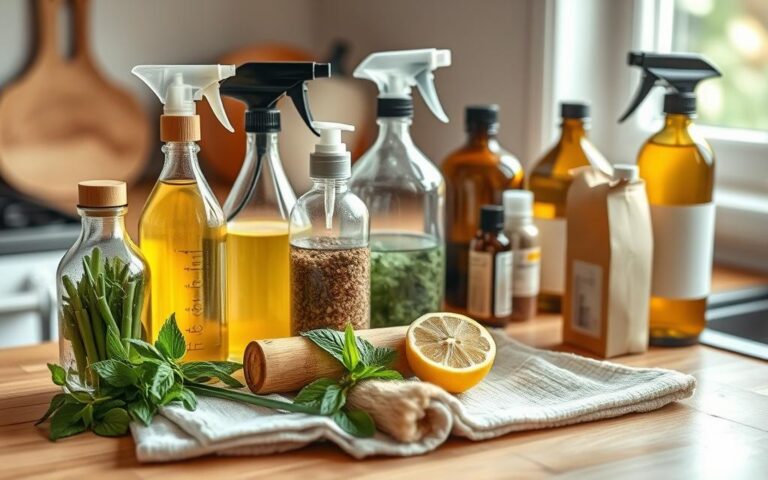

Americans spend about 8 hours each month cleaning their homes with conventional products. These products contain harmful chemicals that can affect health. Popular household cleaners release toxic fumes that stay in the air long after cleaning ends.
Millions of families across the United States breathe in these substances every day. This reality creates serious concerns for household health and safety.
Building a green cleaning routine offers a practical solution to this problem. Homeowners can protect their families from harsh chemicals while spending less money. A green cleaning routine transforms how people approach household chores using safer ingredients.
Switching to eco-friendly practices does not mean spending hours scrubbing floors. It also doesn’t require buying expensive products. Families can use simple ingredients already in their kitchens to clean every surface.
This guide shows how to create an effective cleaning plan. The plan saves both time and money for busy households.
Understanding what toxic products hide in cabinets is the first step. Homeowners can then select better alternatives and organize their schedules. These steps help families transition toward a healthier, cleaner home without breaking the budget.
Key Takeaways
- A green cleaning routine uses natural ingredients that cost less than chemical cleaners
- Vinegar, baking soda, and water create powerful solutions for most household surfaces
- Eco-friendly cleaning reduces exposure to toxic fumes in the home
- Reusable cleaning tools cut down on waste and save money over time
- A structured weekly schedule makes green cleaning faster and easier
- Sustainable methods protect indoor air quality for the entire family
Understanding the Benefits of Sustainable Cleaning
Switching to green cleaning products opens the door to a healthier home and safer planet. Families who choose sustainable cleaning methods step away from harsh chemicals. These chemicals fill the air and linger on surfaces.
The shift toward eco-friendly practices creates real changes in personal wellness and environmental health. Understanding these benefits helps households make informed decisions. You control what you bring into your living spaces.
Positive Impacts on Personal Health
Conventional cleaning products release volatile organic compounds into indoor air. These chemicals can cause headaches, skin irritation, and respiratory problems. Green cleaning benefits include reduced exposure to these harmful substances.
Children and pets are most vulnerable to chemical exposure. They spend more time on floors and touch more surfaces throughout the day.
People notice improvements quickly after eliminating toxic cleaners:
- Fewer respiratory irritations and breathing problems
- Reduced skin allergies and contact dermatitis
- Fewer headaches and dizziness episodes
- Better overall air quality inside the home
- Lower asthma triggers for sensitive family members

Environmental Advantages of Conscious Choices
Every cleaning product that washes down the drain affects local water systems. Chemical runoff from household cleaners damages aquatic ecosystems. It also contaminates drinking water sources.
By choosing sustainable cleaning methods, families protect rivers, lakes, and groundwater from pollution.
The environmental impact extends further:
- Protects fish and aquatic life from chemical poisoning
- Reduces manufacturing waste and plastic packaging pollution
- Decreases carbon emissions from chemical production
- Supports soil health and natural biodiversity
- Prevents long-term contamination of water supplies
“Small choices in the home create big changes in the world. Every bottle of natural cleaner is a vote for a healthier future.”
Conscious choices about cleaning products connect individual actions to community and global health. Families become part of a movement that values long-term environmental safety. This movement chooses planet health over quick fixes with dangerous chemicals.
Essential Supplies for a green cleaning routine
Starting a green cleaning routine begins with gathering the right supplies. People need quality tools that work well and last for years. Building a reliable kit means selecting eco-friendly cleaning products that perform effectively.
These products work without harsh chemicals or synthetic fragrances. The investment in durable items pays off by reducing frequent replacements. This approach cuts household expenses over time.
Creating an effective green cleaning system requires specific items. Workers and homeowners can rely on these supplies. They form the foundation of any sustainable cleaning practice.
Core Items for Your Cleaning Kit
The right tools make cleaning easier and faster. Microfiber cloths stand out as one of the most important purchases. They trap dirt and dust without requiring chemical sprays.
These cloths work on glass, countertops, and surfaces throughout the home.
- Microfiber cloths for dusting and wiping
- Glass spray bottles for liquid solutions
- Natural scrub brushes made from plant fibers
- Squeegees for windows and shower doors
- Mop heads made from sustainable materials
- Dust pans and small hand tools
Natural scrub brushes offer strength without damaging surfaces. They work well for scrubbing tough spots on stoves, sinks, and bathtubs. Glass spray bottles allow people to store homemade cleaning solutions safely.
Building Quality Into Your Routine
Investing in eco-friendly cleaning products means choosing items that last. Durable equipment reduces waste and saves money in the long run. People should look for items made from sustainable materials.
Bamboo, recycled plastic, or plant-based fibers make excellent choices.
| Supply Item | Material | Lifespan | Cost Range |
|---|---|---|---|
| Microfiber Cloths | Polyester Blend | 2-3 Years | $5-15 per set |
| Natural Scrub Brushes | Plant Fibers | 1-2 Years | $3-8 each |
| Glass Spray Bottles | Recycled Glass | 5+ Years | $4-12 each |
| Bamboo Mop Handles | Sustainable Bamboo | 3-5 Years | $15-25 each |
| Natural Bristle Broom | Plant Fibers | 2-3 Years | $8-18 each |
Quality tools reduce frustration during cleaning sessions. People spend less time scrubbing when they have the right equipment. Starting with a basic kit and adding items over time works well.
This approach spreads costs across several months rather than requiring a large upfront investment.
Assessing Current Household Cleaning Habits
Homeowners need to understand what products they currently use before making changes. Taking time to review cleaning supplies reveals which items may contain harmful chemicals. This audit helps families make smart choices about what to replace.
The Environmental Working Group (EWG) maintains a database of over 75,000 cleaning products. This resource helps consumers identify potential hazards hiding in everyday household items. Families can search product names to learn about toxic ingredients and safer alternatives.
Identifying Toxic Products in the Home
Many common cleaning products contain harsh chemicals that pose risks to families. Examining labels helps identify dangerous substances in kitchen and bathroom supplies.
Look for these warning signs on product labels:
- Words like “toxic,” “poison,” or “danger”
- Warnings about skin or eye irritation
- Instructions to use in well-ventilated areas
- Requirements to wear gloves or protective gear
Start by checking under the kitchen sink and in bathroom cabinets. Most homes store multiple cleaning products that could be replaced with safer options.
Evaluating Cleaning Frequency and Efficiency
Understanding current cleaning habits helps determine what actually needs to happen. Some families clean too often with strong chemicals. Gentler solutions would work just as well.
Consider these questions:
- How often does each surface actually need cleaning?
- Which products get used most frequently?
- Are certain products more effective than others?
- How much time do cleaning tasks take?
This evaluation shows where safer routines can save time and money. Families discover that less frequent cleaning with safer products produces better results. Harsh chemicals used daily often create more problems than they solve.
Selecting Eco-Friendly Cleaning Products
Choosing the right eco-friendly cleaning products builds a sustainable home environment. After identifying toxic substances, shoppers can explore safer alternatives. These products protect both family members and the planet.
The selection process requires attention to labels, certifications, and product ingredients. Look for specific certifications that guarantee safety standards. The EPA Safer Choice label appears on products meeting strict requirements.
These certifications remove the guesswork from purchasing decisions. They ensure chosen products deliver green cleaning benefits. You avoid harmful chemicals while maintaining a clean home.
Understanding product types helps buyers make informed choices. Concentrated formulas often provide better value since they last longer. Many eco-friendly cleaning products contain plant-based ingredients and biodegradable compounds.
These natural ingredients break down without polluting waterways. They protect aquatic ecosystems while cleaning your home effectively.
Key Features to Look For
- Plant-derived ingredients instead of synthetic chemicals
- Biodegradable formulas that protect aquatic ecosystems
- Minimal packaging or recyclable containers
- Third-party certifications from recognized organizations
- Clear ingredient lists without hidden substances
The initial investment in quality eco-friendly products may seem higher. Concentrated formulas and refillable containers balance out costs over time. Building a green cleaning routine creates a foundation for a clean, chemically responsible home.
Creating Natural Cleaning Solutions at Home
Making natural cleaning solutions at home keeps spaces clean without harsh chemicals. Simple pantry items work as well as expensive store-bought products. Vinegar and baking soda form the foundation of many effective cleaning solutions.
These mixtures offer low cost and safety benefits. People control exactly what goes into their cleaning products. This approach fits perfectly with eco-friendly practices that reduce toxic items at home.
Mixing Vinegar and Water for Surfaces
Vinegar works as a powerful cleaner because it contains 5% acetic acid. This acid cuts through grease and mineral deposits on most household surfaces. Equal parts white vinegar and water create an all-purpose spray.
The advantages of this simple formula include:
- Removes soap scum from bathroom tiles
- Cleans streaky windows to a shine
- Dissolves hard water stains on faucets
- Deodorizes kitchen surfaces
- Costs just pennies per bottle
Utilizing Baking Soda for Scrubbing
Baking soda provides gentle abrasive action perfect for scrubbing without scratching surfaces. Mixed with water, it becomes a paste for ovens, stovetops, and sink basins.
Common applications for baking soda include:
- Sprinkling on carpets to absorb odors before vacuuming
- Combining with vinegar to create a fizzing foam for drain cleaning
- Using as a powder to scrub bathtubs and shower walls
- Mixing into a paste for tough kitchen grime
These natural cleaning solutions prove effective home care doesn’t require toxic chemicals or expensive products.
Organizing a Weekly Schedule for Efficiency
A successful green cleaning routine depends on having a clear weekly plan. Homeowners can break their cleaning tasks into small, manageable pieces. This approach helps avoid the stress of tackling everything at once.
Spreading tasks throughout the week keeps spaces fresh and clean. No more spending entire weekends scrubbing and polishing. Regular maintenance requires less overwhelming effort.
Creating a structured schedule means each room gets regular attention. This approach prevents dirt and dust from building up. Specific days for specific areas help homeowners maintain their homes more effectively.
A practical green cleaning routine works best when tasks match daily routines. Mornings might be ideal for quick bathroom wipe-downs. Evenings work well for kitchen surfaces.
Assigning tasks to particular days helps family members know what needs attention. This system creates accountability. Everyone understands their role in maintaining a clean home.
Daily Task Breakdown
Breaking down the week into manageable daily segments makes cleaning feel less burdensome. Here’s how to structure a typical week:
- Monday: Focus on bathrooms and mirrors
- Tuesday: Clean kitchen appliances and counters
- Wednesday: Tackle living room dusting and vacuuming
- Thursday: Wash floors in hallways and entryways
- Friday: Refresh bedrooms and change linens
- Saturday: Handle one deep-cleaning project
- Sunday: Light maintenance and weekly reset
This organization keeps the home consistently clean while respecting busy schedules. Small daily efforts prevent the need for exhausting cleanup sessions.
Benefits of Consistent Planning
A well-organized schedule saves time and reduces stress. People know what cleaning tasks come each day. They can prepare materials ahead of time.
This prevents interruptions and creates a smooth workflow throughout the week. Consistency builds habits, making cleaning feel automatic. Families benefit from clear expectations, and homes stay fresher with less effort.
Implementing Sustainable Cleaning Methods
Building an eco-friendly home means watching water and resource use during cleaning. Sustainable cleaning methods cut waste while keeping spaces spotless. This approach protects the environment and saves money.
Techniques for Reducing Water Usage
Water conservation plays a major role in green cleaning practices. Using a bucket instead of running tap water can cut usage by 80 percent. This simple switch makes a real difference over time.
Here are practical ways to reduce water consumption:
- Fill a bucket with water and cleaning solution instead of running the sink
- Wring out mops and cloths completely to avoid dripping
- Use spray bottles to apply cleaners precisely where needed
- Collect and reuse rinse water for outdoor plant watering
- Install low-flow faucet aerators to limit water pressure
Proper Disposal of Old Chemical Cleaners
Getting rid of old cleaning products requires careful planning. Chemical cleaners can harm soil and groundwater if thrown away improperly. Each area has different rules about disposal, so checking local guidelines matters.
Safe disposal steps include:
- Contact your local waste management center for hazardous waste disposal dates
- Keep original containers and labels on all products
- Never pour chemicals down drains or into toilets
- Look for community collection events for household hazardous waste
- Use up products completely before disposing of empty containers
Making these changes to cleaning routines protects families and the planet. Starting with one new sustainable cleaning method builds lasting habits.
Reducing Waste Through Reusable Tools
Switching to reusable cleaning tools is one of the easiest ways to cut household waste. Disposable wipes and paper towels create mountains of trash every year. Families spend significant money on single-use products that end up in landfills.
Quality reusable tools deliver real benefits beyond environmental concerns. Washable cotton rags and silicone scrubbers outlast disposable options by years. These items handle tough scrubbing jobs without falling apart.
A set of durable microfiber cloths can replace hundreds of paper towels over time.
Smart Tool Choices for Your Home
Homeowners can build a collection of reliable cleaning equipment that reduces waste significantly. The right tools make cleaning faster and more effective.
- Microfiber cleaning cloths that trap dust and dirt without chemicals
- Washable cotton rags made from old t-shirts or purchased new
- Silicone scrubbers for tough stains on pots, pans, and surfaces
- Bamboo-handled brushes that last for years
- Reusable mop pads that attach to standard mop handles
Investing in high-quality equipment pays off quickly. A pack of microfiber cloths costs a few dollars but replaces thousands of paper towels. Cotton rags work beautifully on windows and mirrors.
Silicone scrubbers tackle baked-on food without scratching non-stick surfaces.
Choosing reusable tools helps families shrink their ecological footprint while maintaining spotless homes. This shift cuts plastic waste and saves money. It also supports a cleaner planet for everyone.
Improving Indoor Air Quality Naturally
Clean air inside your home matters more than you might think. The Environmental Protection Agency reports indoor air can be 2 to 5 times more polluted than outdoor air. This pollution comes from chemical off-gassing released by conventional cleaning products.
Switching to natural cleaning solutions helps reduce these harmful chemicals. Proper ventilation strategies combined with smart plant choices create a healthier living space for your family.
Poor indoor air quality can cause respiratory issues, allergies, and headaches. The EPA suggests proper airflow can reduce respiratory problems by about 30 percent. Opening windows and creating good air circulation should be a top priority in your cleaning routine.
Ventilation Strategies for Healthier Living
Fresh air flow is essential for removing stale air and pollutants from your home. Simple ventilation methods work well and cost nothing.
- Open windows daily for at least 15 minutes, even in cold weather
- Use ceiling fans to push air around rooms effectively
- Run bathroom and kitchen exhaust fans during and after showers or cooking
- Keep air vents clear of dust and obstructions
- Install window screens to allow airflow while keeping insects out
Using Plants to Purify Interior Spaces
Indoor plants do more than look beautiful. They actively clean the air by absorbing carbon dioxide and releasing oxygen. Spider plants, snake plants, and pothos are excellent choices for most homes.
| Plant Name | Best Room Location | Care Level | Air Purifying Power |
|---|---|---|---|
| Spider Plant | Bedroom or Living Room | Easy | Removes formaldehyde |
| Snake Plant | Office or Entryway | Very Easy | Removes benzene and xylene |
| Pothos | Kitchen or Bathroom | Easy | Removes ammonia and formaldehyde |
| Peace Lily | Low-light Areas | Moderate | Removes multiple toxins |
Combining natural cleaning solutions with these ventilation and plant-based strategies creates a cleaner, fresher home environment. Your family will breathe easier and feel healthier.
Managing Time During Deep Cleaning Sessions
Deep cleaning takes time and energy, but smart planning makes it manageable. Homeowners who want to finish faster should focus on specific strategies that work with natural products. Using eco-friendly methods from the start helps people stay organized and avoid wasting effort.
The key to success is breaking the home into smaller zones. Instead of trying to clean everything at once, tackle one room per session. This method keeps the work from feeling overwhelming.
A person can complete a bedroom deep clean in one afternoon. Then move to the kitchen the next day. Spreading tasks across the week prevents burnout and keeps momentum going.
Time management works best when paired with efficient non-toxic methods. Natural cleaners like vinegar and baking soda work just as fast as chemical products. Setting a timer for each task helps people stay focused and accountable.
Building an Effective Deep Clean Schedule
Creating a realistic plan ensures nothing gets missed. Homeowners should list all rooms and prioritize high-traffic areas first.
- Set a specific time block for each room
- Use green cleaning tips to work smarter, not harder
- Gather all supplies before starting
- Work from top to bottom in each space
- Take short breaks to stay energized
Consistency matters most. Regular maintenance between deep cleans keeps a home fresh throughout the year. Deep cleaning becomes routine and stops feeling like a burden.
Budgeting for Non-Toxic Cleaning Routines
Building a budget for non-toxic cleaning routines does not require spending large amounts of money. Many people worry that switching to green cleaning practices means paying premium prices. The reality tells a different story.
Basic household ingredients can do the job just as well as expensive commercial cleaners. These simple items cost only a fraction of the price.
Creating a realistic budget starts with understanding what supplies cost. Most families find that switching to natural alternatives saves money every single month. The investment in non-toxic cleaning routines pays off through lower grocery bills and fewer product purchases.
Cost Savings of Homemade Alternatives
Homemade cleaning solutions cost pennies per batch compared to store-bought products. A bottle of vinegar costs around $2 and lasts for weeks of cleaning. Baking soda runs about $1 per box and works for scrubbing and deodorizing.
Lemon juice and castile soap round out a complete cleaning arsenal for under $15 total.
- Vinegar and water solution: costs less than 50 cents per bottle
- Baking soda paste: costs under 25 cents per application
- All-purpose spray with essential oils: costs about 75 cents to make
- Store-bought green cleaners: typically cost $4 to $8 per bottle
Investing in Long Lasting Equipment
Quality equipment represents a smart investment for households committed to sustainable cleaning. High-quality microfiber cloths, durable mops, and sturdy glass spray bottles last for years. Buying these items upfront costs more initially than cheap alternatives.
Over a five-year period, purchasing lasting tools saves money and reduces waste.
| Equipment Type | Initial Cost | Lifespan | Cost Per Year |
|---|---|---|---|
| Microfiber cloth pack | $12 | 3 years | $4 |
| Quality mop head | $25 | 4 years | $6.25 |
| Glass spray bottle | $8 | 5+ years | $1.60 |
| Bamboo cleaning brush | $6 | 3 years | $2 |
The shift to green cleaning practices combined with durable tools creates long-term financial benefits. Families typically save $500 to $800 annually by eliminating expensive chemical cleaners. These savings come from making simple switches while maintaining a spotless home.
Maintaining a Clean Home Without Harsh Chemicals
Building a green cleaning routine takes commitment. The key is turning eco-friendly cleaning into a daily habit. Families who stick with non-toxic cleaning routines protect loved ones from dangerous substances.
Consistency matters most for maintaining a clean home without harsh chemicals. Daily habits prevent dirt and grime from building up. This approach works better than using strong chemical cleaners once monthly.
Building Daily Cleaning Habits
Small actions done regularly create big results. Wiping down surfaces daily takes just minutes. Sweeping high-traffic areas prevents dust from settling into carpets.
Establishing routines means family members know what needs cleaning and when. This shared responsibility makes the work lighter for everyone involved.
Benefits of Staying Chemical-Free
Homes cleaned with natural solutions stay safer for children and pets. No poisonous residue remains on countertops or floors where young ones play. Breathing becomes easier when toxic vapors are eliminated from the air.
- Reduced respiratory issues for family members
- Lower risk of skin irritation and allergies
- Safer environment for babies and toddlers
- Better protection for pets and their paws
- Cleaner indoor air quality throughout the home
“A clean home doesn’t require poison. Nature provides everything needed for a spotless, healthy living space.”
Non-toxic cleaning routines prove effective and affordable. Natural ingredients like vinegar and baking soda clean just as well. Families save money while protecting their health and the environment.
Simplifying Chores with Green Cleaning Tips
Cleaning does not need to feel overwhelming or time-consuming. Green cleaning tips help homeowners create a routine that fits their schedule. Smart planning makes the difference between a clean home and an exhausted homeowner.
Many people spend hours cleaning areas that barely get used. This wastes time and effort. A better approach focuses on spaces where people actually spend time.
Focusing on High Traffic Areas
High traffic areas need more attention because dirt builds up quickly. These spaces include entryways, kitchens, bathrooms, and living rooms. Concentrating cleaning power here provides the most noticeable results.
The entrance is where most dirt enters the home. Keeping this area clean prevents mess from spreading. The kitchen and bathroom get heavy use daily.
A quick daily wipe-down in these spots beats a weekly deep clean in unused rooms.
| High Traffic Area | Daily Task | Weekly Task |
|---|---|---|
| Kitchen Counters | Wipe down surfaces | Deep scrub with eco-friendly cleaner |
| Bathroom Sink | Quick rinse and shine | Scrub fixtures and faucet |
| Entryway Floor | Sweep or quick vacuum | Mop with natural solution |
| Living Room Surfaces | Dust with microfiber cloth | Polish wood with natural oil |
Streamlining the Cleaning Process
Sustainable cleaning methods work best with a clear plan. Organizing tasks by room and time saves mental energy. Tackle one room completely rather than jumping between areas.
Breaking cleaning into small chunks makes tasks feel manageable. Two-minute cleaning tasks prevent buildup and save time. Wiping counters immediately after meals stops grime from hardening.
Using the right tools matters too. Multi-purpose cleaners reduce the need to switch between products. Microfiber cloths trap dust with just water, cutting down on cleaning agents needed.
- Set a timer for 15-minute cleaning bursts
- Work from top to bottom in each room
- Keep cleaning supplies in each major area
- Use the same cloth for similar tasks to stay efficient
- Return items to their home immediately after use
Daily cleaning habits beat weekend marathons. Focus on high traffic areas first. Use sustainable cleaning methods that actually save time.
Storing Natural Ingredients Safely
Keeping natural cleaning ingredients in the right place maintains their strength and keeps households safe. Proper storage methods protect both the cleaning power of these products and family health. Understanding correct storage prevents ingredient damage and reduces accidental misuse risks.
Natural ingredients break down when exposed to heat, light, or moisture. Vinegar, baking soda, and essential oils need specific storage conditions to stay effective. Items stored in cool, dark places last longer and maintain cleaning power for months.
Clear labeling on all containers prevents confusion in the home. Safety matters when storing natural cleaning solutions around children and pets. Using airtight containers with secure lids stops accidental spills and keeps contents fresh.
Dark glass bottles work best for essential oils. They block sunlight that can weaken the ingredients inside.
Best Storage Practices for Cleaning Ingredients
- Store vinegar in sealed glass bottles away from direct sunlight
- Keep baking soda in airtight containers with tight-fitting lids
- Place essential oils in dark, glass bottles in cool areas
- Label all containers with the ingredient name and storage date
- Store items on high shelves away from children and pets
- Maintain consistent cool temperatures below 70°F
| Ingredient | Best Container Type | Storage Location | Shelf Life |
|---|---|---|---|
| White Vinegar | Glass bottles with caps | Cool, dark cabinet | 6-12 months |
| Baking Soda | Airtight plastic containers | Dry pantry shelf | 12 months |
| Essential Oils | Dark amber glass bottles | Cool, dark drawer | 3-5 years |
| Castile Soap | Glass pump bottles | Bathroom cabinet | 2-3 years |
Creating a dedicated storage space in a cabinet or closet keeps all cleaning supplies organized and protected. This space should stay away from kitchen areas where food gets prepared. Never mix different cleaning products together in storage, as some ingredients may react unpredictably.
Regular checks on stored items help identify any leaks or contamination early. Damaged containers should get replaced right away to prevent product loss and potential safety hazards. Rotating older ingredients to the front ensures they get used before expiration dates pass.
Involving Family Members in Eco-Friendly Practices
Building a sustainable household requires more than individual effort. Families working together on green cleaning practices create shared commitment and responsibility. This collaborative approach transforms routine chores into meaningful learning experiences about environmental stewardship.
Family involvement creates accountability. It ensures that eco-friendly habits stick around for the long term.
Teaching Children About Sustainability
Children learn best through hands-on experience. Involving kids in household cleaning introduces them to eco-friendly cleaning products. It demonstrates why sustainable choices matter.
Young people develop a sense of purpose about everyday responsibilities. They understand that their actions protect the environment.
Start with age-appropriate tasks. Younger children can spray surfaces with vinegar solutions or sprinkle baking soda on carpets. Older kids can manage their own bathrooms or prepare natural cleaning mixtures.
These activities teach valuable skills. They reinforce environmental consciousness at the same time.
Sharing Responsibilities for a Greener Home
Assign specific cleaning duties to each family member. Create a rotating schedule so everyone learns different tasks. This approach builds competence and encourages pride in maintaining a clean, healthy home.
| Family Member | Assigned Area | Frequency | Key Task |
|---|---|---|---|
| Parent 1 | Kitchen and Dining | Daily | Surface wiping with natural solutions |
| Parent 2 | Bathrooms | Twice weekly | Scrubbing with baking soda paste |
| Teenager | Living Areas | Weekly | Vacuuming and organizing |
| Younger Child | Personal Room | Weekly | Tidying and dusting |
Families embracing eco-friendly cleaning products together create a culture of environmental responsibility. Shared cleaning duties strengthen family bonds. They build a healthier home for everyone.
Conclusion
Building a green cleaning routine is a smart choice for any household. The shift toward eco-friendly practices creates real value for families. You can save money while protecting your health.
By using these green cleaning tips, homeowners can reduce harsh chemicals. You create a safer living space for everyone. Your family deserves a healthier home environment.
The green cleaning benefits go far beyond clean surfaces. Better indoor air quality means easier breathing and fewer health problems. Lower costs from homemade solutions put more money back in the budget.
Families who adopt these practices support sustainable practices in everyday spaces that improve health. They also reduce environmental impact. Small changes in daily cleaning routines create big positive results over time.
Making the switch to green cleaning does not require perfection. You don’t need a huge time investment either. Families can start with simple swaps like vinegar and baking soda.
Involving all family members in these habits builds stronger commitment to sustainability. Each person who chooses to clean green makes a difference. Your home and the planet benefit, one cleaning session at a time.