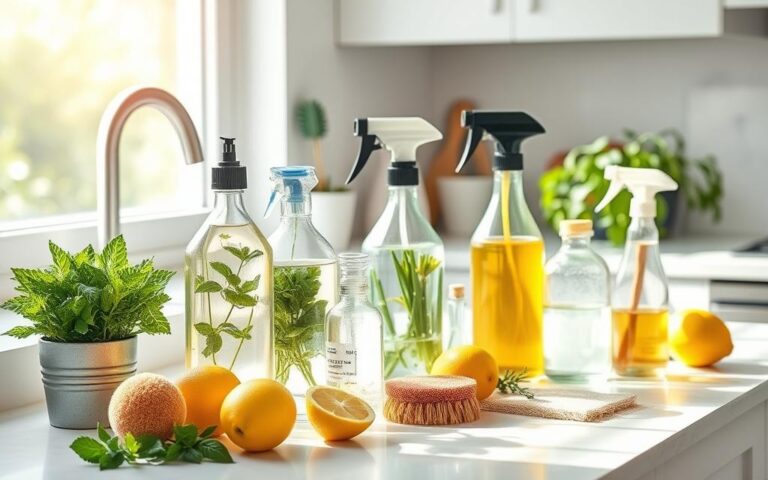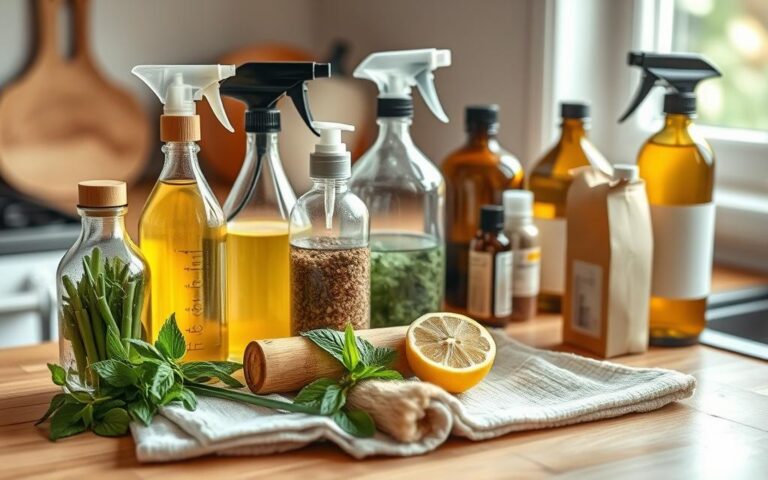

Americans spend over $10 billion per year on commercial cleaning products. Yet many of these items sit unused in cabinets beneath kitchen sinks. The shift toward homemade cleaning products is reshaping how families approach household sanitation.
DIY cleaning recipes offer a practical path for those seeking safer alternatives. These solutions work just as well as mass-produced options.
Understanding what works best in different spaces is the first step. Many homeowners discover that non-toxic household cleaners perform excellently when prepared correctly. This guide breaks down the process of creating homemade disinfectants that meet cleaning standards.
Green cleaning alternatives represent more than a trend. They reflect a genuine shift in how people view their homes and health. By learning to make these products at home, families reduce waste and lower expenses.
Creating a cleaner home does not require toxic fumes or complicated instructions. Simple combinations of basic ingredients transform into powerful cleaning solutions. The pages that follow show exactly how to prepare these mixtures for every room.
Key Takeaways
- Homemade cleaning products work as effectively as commercial cleaners when made with the right ingredients
- DIY cleaning recipes save money while reducing chemical exposure for your family
- Eco-friendly cleaning supplies decrease environmental impact and plastic waste
- Non-toxic household cleaners are simple to prepare using pantry staples
- Green cleaning alternatives support a healthier home environment for children and pets
- Homemade disinfectants meet basic sanitation needs without overwhelming chemical odors
Introduction to Homemade Cleaning Products
Safer, more sustainable household cleaning has become a major trend across the United States. Many families discover that creating homemade cleaning products from pantry staples offers practical and environmental benefits. This movement reflects growing awareness about what enters our homes and impacts family health.
People feel surprised learning that effective cleaners come from simple kitchen ingredients. Understanding how to prepare natural cleaning solutions gives households complete control over their cleaning products. This knowledge empowers families to make informed choices about their environment.

Why People Choose Homemade Cleaning Products
The reasons for choosing homemade cleaning products extend beyond simple cost savings. Families appreciate knowing exactly what chemicals they bring into their homes. Non-toxic household cleaners eliminate concerns about respiratory irritation and skin sensitivity.
Eco-friendly cleaning supplies reduce plastic waste that accumulates in landfills. Learning DIY cleaning recipes gives people confidence in their cleaning routines. These natural cleaning solutions work effectively on everyday messes without harsh fumes.
Green cleaning alternatives provide homemade disinfectants that protect family members and pets. These solutions eliminate harmful chemical exposure while cleaning effectively.
What Makes This Approach Different
- Complete ingredient transparency and control
- Lower cost compared to commercial cleaners
- Reduced environmental impact
- Safer for children and pets
- Pleasant natural scents without artificial fragrances
- Customizable cleaning strength
Mastering eco-friendly cleaning supplies transforms household maintenance into a healthier, more responsible practice. The following sections provide detailed recipes and techniques for creating effective cleaners. You’ll learn how to clean every room in your home naturally.
Benefits of Using Homemade Cleaning Products
Switching to homemade cleaning products brings real advantages to households across America. Making your own cleaners saves money while protecting families and the environment. Understanding these benefits helps people make informed choices about household products.
Environmental Advantages
Natural cleaning solutions break down safely without harming local waterways or ecosystems. Families using eco-friendly cleaning supplies reduce plastic waste going to landfills. Store-bought cleaners often come in single-use plastic bottles that last for centuries.
Homemade disinfectants are biodegradable and gentle on the planet.
- Reduces plastic packaging waste significantly
- Prevents harmful chemicals from entering water systems
- Lowers household carbon footprint
- Supports sustainable living practices
Healthier Home Environment
Non-toxic household cleaners eliminate dangerous chemicals from living spaces. Many commercial products contain volatile organic compounds that trigger allergies and respiratory problems. DIY cleaning recipes use safe ingredients that protect pets and children.
Families breathing cleaner air experience fewer health issues related to chemical exposure.
Cost-Effective Solutions
Green cleaning alternatives cost pennies per bottle compared to premium retail brands. Common kitchen items create powerful cleaners for every room. Making natural cleaning solutions at home saves families hundreds of dollars annually.
Buying bulk ingredients reduces expenses even further, making eco-friendly cleaning supplies the smart financial choice.
| Cleaning Method | Average Monthly Cost | Environmental Impact |
|---|---|---|
| Store-Bought Cleaners | $30-$50 | High plastic waste |
| Homemade Solutions | $3-$8 | Minimal waste |
Essential Ingredients for DIY Cleaners
Making effective homemade cleaning products starts with understanding basic ingredients already in most kitchens. These pantry staples form the foundation for natural cleaning solutions. They work just as well as commercial products.
Building eco-friendly cleaning supplies means learning which items pack the most cleaning power. You also need to know how to combine them safely for maximum results.
Common Ingredients Found in Kitchens
Most households already own the key items needed for DIY cleaning recipes. White vinegar stands out as a powerhouse cleaner with a pH of approximately 2.5. Its high acidity makes it excellent for cutting through grease and mineral deposits.
Baking soda works as a gentle abrasive that lifts stubborn grime without scratching surfaces. Salt enhances cleaning action when combined with other ingredients. Lemon juice adds natural acidity and fresh scent to non-toxic household cleaners.
- White vinegar for degreasing and disinfecting
- Baking soda for scrubbing and odor removal
- Lemon juice for natural acidity and fragrance
- Dish soap for cutting through oil and dirt
- Castile soap as a versatile base ingredient
Natural Oils and Their Benefits
Essential oils transform basic cleaning mixtures into green cleaning alternatives with powerful scents. They also add antimicrobial properties. Tea tree oil acts as a natural disinfectant.
Lavender oil provides calming aroma and gentle antibacterial action. Eucalyptus oil cuts through tough grime. Lemon essential oil strengthens the cleaning power of vinegar-based solutions.
These natural elements help you create homemade disinfectants that smell wonderful and work effectively.
| Essential Oil | Primary Benefit | Best Used For |
|---|---|---|
| Tea Tree Oil | Strong antimicrobial properties | Bathrooms and disinfecting |
| Lavender Oil | Mild antibacterial action | Laundry and bedrooms |
| Eucalyptus Oil | Powerful degreasing | Kitchen surfaces |
| Lemon Essential Oil | Enhanced cleaning power | All-purpose cleaning |
Safety Precautions When Mixing Cleaners
Creating safe homemade cleaning products requires following strict guidelines when combining ingredients. Never mix bleach with ammonia. This dangerous combination produces toxic chloramine gas that causes serious health problems.
Avoid mixing vinegar with hydrogen peroxide in concentrated amounts, since this creates peracetic acid. Always work in well-ventilated spaces. Wear gloves when handling strong ingredients.
Store all homemade disinfectants in clearly labeled, durable glass containers away from children and pets. Label each container with the contents and date created. Keep vinegar-based solutions separate from oil-based mixtures to prevent separation or ineffectiveness.
- Never combine bleach with any ammonia-containing products
- Avoid mixing vinegar with hydrogen peroxide in concentrated form
- Always use proper ventilation when mixing ingredients
- Wear protective gloves during preparation
- Store in labeled glass containers only
- Keep cleaners away from children and pets
Homemade All-Purpose Cleaner Recipes
An all-purpose cleaner stands as the most useful tool in any cleaning toolkit. Creating homemade cleaning products gives people control over what enters their homes. These DIY cleaning recipes work on nearly every surface, from kitchen counters to bathroom tiles.
The best part is that anyone can make these green cleaning alternatives using pantry items. Building a collection of natural cleaning solutions takes just minutes. People discover that eco-friendly cleaning supplies perform just as well as store-bought versions.
Simple Vinegar-Based Cleaner
Vinegar serves as one of the strongest natural cleaning solutions. This non-toxic household cleaner works on glass, counters, and floors. Mix equal parts white vinegar and water in a spray bottle.
This basic recipe cleans and disinfects without harsh chemicals. The vinegar smell fades quickly after the cleaner dries on surfaces.
Citrus-Infused Cleaning Solution
For those who dislike vinegar’s smell, citrus offers a fresh alternative. Save lemon or orange peels and soak them in vinegar for two weeks. This homemade disinfectant smells wonderful while cleaning effectively.
The citric acid breaks down grease and grime naturally.
Baking Soda as a Cleaning Agent
Baking soda works as a gentle scrub that won’t damage surfaces. Combine three parts baking soda with one part water to form a paste. This mixture tackles stubborn stains and stuck-on dirt.
Using baking soda in DIY cleaning recipes prevents scratching on delicate materials. These green cleaning alternatives prove that people need very few products for a spotless home.
DIY Kitchen Cleaners
The kitchen stands as one of the busiest spaces in any home. Grease, food residue, and spills accumulate quickly on surfaces and appliances. Creating homemade cleaning products specifically designed for kitchen challenges offers an effective, budget-friendly solution.
Building a collection of eco-friendly cleaning supplies from basic kitchen ingredients transforms meal prep areas. The recipes below use non-toxic household cleaners that work as hard as store-bought versions. They protect your family and the environment.
Degreaser for Tough Stains
Stubborn grease buildup on stovetops and range hoods demands a powerful solution. Mixing washing soda with hot water creates an effective degreaser that breaks down oil. This homemade degreaser works best when applied directly to greasy spots.
- Two tablespoons washing soda
- One quart hot water
- Five drops liquid dish soap
Combine these ingredients in a spray bottle and shake well before each use. This green cleaning alternative rivals commercial degreasers in strength. It remains completely safe for food-contact areas.
Natural Dish Soap Recipe
Creating your own dish soap keeps plates and bowls spotless using natural ingredients. Liquid castile soap serves as the foundation. Vegetable glycerin adds protective qualities for hands and dishes.
| Ingredient | Amount | Purpose |
|---|---|---|
| Liquid Castile Soap | Two cups | Cleaning base |
| Vegetable Glycerin | Two tablespoons | Moisturizing agent |
| Water | Six cups | Dilution medium |
| Essential Oil | Ten drops | Fragrance option |
Blend all ingredients in a large container and store in a recycled bottle. This DIY cleaning recipes batch produces enough soap for several weeks of dishwashing. It makes cleaning both economical and practical for daily use.
Sink and Countertop Sanitizer
Food preparation areas need rigorous sanitization to prevent bacteria growth. Homemade disinfectants using high-proof rubbing alcohol create safe, effective non-toxic household cleaners. They work perfectly for kitchen surfaces.
- Mix one cup rubbing alcohol (70% concentration) with one cup water
- Add ten drops of lemon essential oil for natural antimicrobial benefits
- Pour into a clean spray bottle
- Shake before spraying on counters and sinks
- Wipe with a clean cloth and allow to air dry
This powerful sanitizer eliminates bacteria while leaving no chemical residue on food-prep surfaces. Unlike commercial alternatives, these homemade cleaning products keep your kitchen environment clean and fresh. They remain completely safe for your family’s health.
Bathroom Cleaning Solutions
Bathrooms need special attention because they develop soap scum and mineral deposits. Store-bought cleaners often contain harsh chemicals that release strong fumes. Choosing homemade cleaning products offers a safer path to sparkling bathrooms.
These natural cleaning solutions work just as well as commercial options. They cost far less money and protect your family from toxic exposure.
Creating effective bathroom cleaners at home requires simple ingredients found in most kitchens. The following DIY cleaning recipes provide eco-friendly cleaning supplies. They protect both family members and the environment.
Homemade Toilet Bowl Cleaner
A powerful toilet bowl cleaner starts with baking soda and citric acid. These ingredients create a fizzing reaction that breaks down tough stains. Simply sprinkle one-half cup of baking soda into the bowl.
Add one-quarter cup of citric acid on top. Let the mixture work for fifteen minutes before scrubbing with a toilet brush. This homemade disinfectant removes buildup without damaging the porcelain surface.
Shower and Tub Scrub Recipe
Hard water stains and soap scum vanish with a simple paste. Mix one-half cup of salt with enough grapefruit juice to form a thick paste. Apply this green cleaning alternative directly to stained surfaces and scrub.
The natural acidity in grapefruit cuts through mineral deposits effectively. The salt provides gentle abrasive action that won’t scratch surfaces. This non-toxic household cleaner leaves tubs and shower walls gleaming.
Mirror and Glass Cleaner
Achieve streak-free results by mixing equal parts water and rubbing alcohol. Pour the solution into a spray bottle and apply to mirrors. Wipe with newspaper or a microfiber cloth for a crystal-clear finish.
The rubbing alcohol evaporates quickly, preventing water spots and drips. This simple formula proves more effective than many expensive commercial products.
Making Natural Floor Cleaners
Floors take a beating every single day. They collect dust, dirt, and spills that demand regular attention. Choosing the right homemade cleaning products keeps floors looking fresh without harsh chemicals.
Creating natural cleaning solutions at home gives families control over what touches their living spaces. These green cleaning alternatives work well on different floor types, from wood to tile to carpet.
Making eco-friendly cleaning supplies for floors does not require fancy ingredients. Most people have everything needed in their kitchens already. These non-toxic household cleaners protect children and pets while maintaining clean, safe floors.
Hardwood Floor Cleaning Solution
Hardwood floors need gentle care. A simple pH-neutral cleaner works best for protecting wood finishes. Mix one part white vinegar with four parts water in a spray bottle.
Add two drops of castile soap to cut through light dirt buildup. This DIY cleaning recipes approach prevents water damage while keeping floors sparkling.
- Test the mixture on a hidden area first
- Spray lightly onto a microfiber cloth, not the floor directly
- Wipe in the direction of the wood grain
- Dry immediately with a clean towel
Tile and Grout Cleaner Recipe
Tile floors and grout lines trap dirt in ways smooth surfaces do not. Baking soda mixed with hydrogen peroxide creates a powerful paste for tackling stubborn stains. Combine three parts baking soda with one part hydrogen peroxide until reaching a thick consistency.
Spread the paste onto grout lines and let it sit for ten minutes before scrubbing with a brush. This homemade disinfectants mixture lifts deeply embedded dirt without toxic fumes. For routine cleaning, spray equal parts water and vinegar onto tiles and wipe clean.
Carpet Stain Remover
Carpet stains demand quick action. Club soda combined with one drop of mild liquid dish soap creates an effective stain fighter. Blot the stain with this mixture using a white cloth.
The carbonation helps lift dirt while the soap breaks down oils. This approach beats many store-bought options while keeping fibers safe.
| Floor Type | Best Cleaning Solution | Main Ingredients | Application Method |
|---|---|---|---|
| Hardwood | Vinegar and Water Mix | White vinegar, water, castile soap | Spray lightly on cloth, wipe dry |
| Tile and Grout | Baking Soda Paste | Baking soda, hydrogen peroxide | Spread paste, scrub, rinse well |
| Carpet | Club Soda Mixture | Club soda, mild dish soap | Blot stain with cloth repeatedly |
These homemade cleaning products offer safe, effective solutions for every floor in the home. They work alongside other natural cleaning solutions discussed throughout this guide, creating a complete system for maintaining clean living spaces.
Homemade Laundry Products
Laundry care plays a vital role in keeping your home clean and fresh. Many commercial detergents contain harsh chemicals that can damage fabrics and affect skin health. Creating homemade cleaning products for laundry lets families enjoy clean clothes without synthetic fragrances or optical brighteners.
These eco-friendly cleaning supplies work just as well as store-bought options. They are gentler on both clothes and the environment.
Natural Laundry Detergent Recipe
Making natural laundry detergent at home is simple and cost-effective. A basic recipe combines grated soap bars, washing soda, and borax. These ingredients work together to lift dirt and stains from fabric fibers.
The mixture creates a non-toxic household cleaner that protects your family from harsh chemicals. It delivers powerful cleaning results.
| Ingredient | Amount | Purpose |
|---|---|---|
| Grated Soap Bar | 1 bar | Base cleaner for removing dirt |
| Washing Soda | 1 cup | Boosts cleaning power |
| Borax | 1 cup | Disinfects and deodorizes |
Fabric Softener Alternatives
White vinegar serves as an excellent green cleaning alternative for fabric softening. Adding half a cup of white vinegar to the rinse cycle naturally softens clothes. This natural cleaning solution eliminates static electricity and leaves garments feeling fresh.
Vinegar also acts as a natural deodorizer. It removes odors trapped in fabric fibers.
- Reduces static cling naturally
- Brightens colors without bleach
- Extends clothing lifespan
- Cost-effective and environmentally friendly
Stain Removal Techniques
Pre-treating stains before washing dramatically improves results. Create a paste using baking soda and water, then apply it directly to affected areas. Let the paste sit for several hours before washing normally.
This DIY cleaning recipes method works on grease stains, food marks, and dirt spots. Combining baking soda with vinegar creates homemade disinfectants that break down stubborn stains effectively.
- Mix baking soda with water to form a thick paste
- Apply paste directly to the stain
- Allow mixture to dry completely
- Wash clothing in warm water as usual
- Check stain before drying in heat
“Using natural laundry products protects both your family and the planet, one load at a time.”
Cleaning with Essential Oils
Essential oils bring powerful natural benefits to homemade cleaning products. These concentrated plant extracts offer antimicrobial properties while filling homes with fresh, pleasant scents. Many people choose essential oils as green cleaning alternatives.
These oils combine cleaning power with aromatherapy benefits. Adding them to homemade disinfectants transforms ordinary cleaning routines into spa-like experiences.
Essential oils work by breaking down dirt and killing bacteria naturally. They make eco-friendly cleaning supplies more effective and enjoyable to use. People can create natural cleaning solutions that work just as well as chemical products.
Best Essential Oils for Cleaning
Different oils serve different cleaning purposes. Tea tree oil stands out for its strong antifungal and antibacterial qualities. It works well for bathrooms and kitchen surfaces.
Lemon oil cuts through grease effectively, perfect for stovetops and dish soap recipes. Lavender oil provides calming aromatherapy while cleaning. Eucalyptus oil works well for disinfecting, and peppermint oil adds freshness.
- Tea tree oil: antibacterial and antifungal power
- Lemon oil: excellent grease remover
- Lavender oil: calming scent and mild cleaning
- Eucalyptus oil: strong disinfectant properties
- Peppermint oil: fresh aroma and antimicrobial benefits
Blending Essential Oils for Effectiveness
Creating the right blend makes DIY cleaning recipes more powerful. Combining lemon with tea tree oil creates a potent all-purpose cleaner. Mixing lavender with eucalyptus produces a pleasant-smelling disinfectant.
Blending peppermint with lemon offers both cleaning strength and refreshing fragrance. Use 10 to 20 drops per spray bottle of non-toxic household cleaners. This amount provides cleaning power without overwhelming scents.
Aromatherapy Benefits While Cleaning
Cleaning becomes enjoyable when pleasant scents fill the air. Lavender reduces stress and promotes relaxation during household tasks. Lemon oil boosts energy and focus.
Eucalyptus opens airways and refreshes the mind. These aromatherapy effects turn cleaning into self-care time.
Using natural cleaning solutions with essential oils creates healthier home environments. The fresh scents last longer than commercial air fresheners. This approach simplifies routines while supporting wellness.
Seasonal Cleaning with Homemade Products
Every season brings a fresh opportunity to refresh your home with natural cleaning solutions. Seasonal deep cleaning is the perfect time to switch to homemade cleaning products for a thorough home renewal.
By using eco-friendly cleaning supplies during these periodic cleanings, homeowners can maintain a fresh, healthy living space without harsh chemicals. The changing seasons offer ideal moments to tackle areas that need extra attention.
Spring Cleaning Essentials
Spring cleaning calls for deep attention to baseboards, windows, and hard-to-reach corners. This season requires powerful yet gentle cleaners that won’t harm your home’s surfaces. DIY cleaning recipes work perfectly for spring tasks, allowing you to customize cleaner strength for each job.
A simple mixture of vinegar, water, and essential oils tackles windows and glass surfaces effectively.
Spring cleaning essentials include:
- Window and glass cleaner for crystal-clear surfaces
- Baseboards scrubber for removing winter dust
- Carpet refresher using non-toxic household cleaners
- Light fixture cleaner for brightening your spaces
Seasonal Air Fresheners
Create custom seasonal air fresheners using water, witch hazel, and essential oils such as pine or peppermint. These natural cleaning solutions capture the essence of each season while eliminating odors naturally.
Mix these ingredients in spray bottles and mist throughout your home for instant freshness.
| Season | Essential Oil | Additional Ingredient | Benefit |
|---|---|---|---|
| Spring | Lavender | Lemon juice | Fresh, floral scent |
| Summer | Citrus blend | Vanilla extract | Bright, energetic aroma |
| Fall | Cinnamon | Clove | Warm, spicy fragrance |
| Winter | Pine | Peppermint | Cool, crisp freshness |
Deep Cleaning Made Easy
Deep cleaning becomes manageable with homemade disinfectants tailored to specific tasks. Green cleaning alternatives allow you to control cleaner strength and ingredients.
Breaking seasonal cleaning into smaller tasks prevents overwhelming workloads and maintains consistency throughout the year.
Organize deep cleaning projects by room:
- Start with bedrooms and living areas
- Move to bathrooms using natural cleaning solutions
- Clean kitchens with specialized degreasers
- Finish with floors and baseboards
Seasonal deep cleaning with homemade products ensures your home stays fresh and healthy without chemical exposure. These natural methods protect your family while maintaining a sparkling clean home throughout the year.
Storing and Labeling Homemade Cleaners
Keeping homemade cleaning products safe and effective requires smart storage choices. Once people create their own natural cleaning solutions, they need to understand how to preserve them properly. Proper storage keeps ingredients fresh and prevents accidents in the home.
This section covers the key steps for storing and labeling DIY cleaning recipes. These practices maintain safety and quality.
Best Practices for Storage
The right container makes a big difference for eco-friendly cleaning supplies. Glass bottles work best for long-term storage. Amber or cobalt glass containers protect light-sensitive ingredients and extend shelf life.
People should avoid clear plastic containers that let light pass through. High-density polyethylene (HDPE) and polypropylene plastic options offer lightweight alternatives when glass is not available.
Location matters just as much as the container itself. Store non-toxic household cleaners in cool, dark places away from direct sunlight. Pantries, cupboards, and climate-controlled storage rooms work well.
Avoid kitchens and bathrooms where humidity levels change frequently. Keep all containers away from children and pets by using childproof cabinets or locked storage areas.
Temperature stability protects cleaner quality. Ideal humidity ranges between 30 and 50 percent. Extreme temperature swings can break down ingredients in homemade disinfectants.
Check containers regularly for changes in smell or appearance. Discard any cleaner that smells off, shows separation, or appears degraded. Most homemade cleaners last about six months before they lose potency.
Labeling for Safety and Efficiency
Clear labeling prevents dangerous mix-ups and helps people use the right cleaner for each task. Every container of green cleaning alternatives needs a label with the product name, intended use, and warning information. Include a complete list of main ingredients so people know what they are using.
Labels should include the date the cleaner was made. Waterproof labels work best since they stay readable in damp environments. Use bold, easy-to-read fonts and consider color-coding different cleaners.
Update labels whenever formulas change to keep records accurate.
Following proper storage and labeling guidelines for homemade keeps safety first and maintains cleaner effectiveness. Keep lids tightly sealed and return containers to the same location every time. Store sponges in dry places separate from liquid cleaners.
Prevent spills and keep track of inventory by organizing supplies consistently. Never store incompatible ingredients together, like vinegar and baking soda. They can create unwanted reactions or pressure buildup.
| Container Type | Best Use | Storage Duration |
|---|---|---|
| Amber Glass | Acidic cleaners, essential oil blends | 6 months |
| Cobalt Glass | Light-sensitive ingredients | 6 months |
| HDPE Plastic | General purpose cleaners | 3-4 months |
| Polypropylene Plastic | Lightweight storage options | 3-4 months |
Proper organization of natural cleaning solutions saves time and keeps the household safe. Taking these steps ensures that every batch of DIY cleaning recipes performs as intended. Consistent storage practices remain safe for family use.
Common Mistakes to Avoid
Creating effective homemade cleaning products requires careful attention to detail. Simple mistakes can reduce cleaning power or create safety hazards. Understanding common pitfalls helps you build better cleaning routines and protect your family.
Misusing Ingredients
One frequent error involves applying the wrong cleaner to specific surfaces. Acidic natural cleaning solutions like vinegar can damage marble, granite, and other natural stone countertops. The acid etches the surface permanently, leaving dull spots that cannot be repaired.
Bleach-based products should never mix with ammonia or other chemicals. This combination creates toxic fumes that are dangerous to breathe.
Many people assume stronger solutions clean better. Concentrated mixtures of eco-friendly cleaning supplies may discolor fabrics or harm wood finishes. Baking soda works well on many surfaces, but scrubbing too hard can scratch delicate areas.
Neglecting Safety Measures
DIY cleaning recipes require basic safety practices. Essential oils are powerful substances that need proper dilution before use. Direct skin contact with concentrated oils causes irritation or burns.
Wearing gloves protects hands when handling homemade disinfectants and other cleaning formulas.
- Always use well-ventilated spaces when mixing ingredients
- Wear protective gloves during preparation and application
- Keep cleaners away from children and pets
- Never inhale fumes directly
Overcomplicating Recipes
The best non-toxic household cleaners use simple formulas. Adding too many ingredients creates confusion about which components actually work. Complex recipes waste supplies and make troubleshooting difficult.
Green cleaning alternatives succeed through simplicity, not complexity. Sticking to proven basic recipes ensures reliable results every time.
Conclusion: Embrace Homemade Cleaning Products
Making the switch to homemade cleaning products is a meaningful choice. It helps your family and the planet. This guide shared practical recipes and cost-effective methods for natural cleaning solutions.
Creating non-toxic household cleaners in your kitchen opens doors to healthier living. These eco-friendly cleaning supplies work as well as store-bought options. They protect your loved ones from harsh chemicals.
Switching to green cleaning alternatives is an investment. You get a clean home and better family wellbeing.
Recap of Benefits
The advantages of using homemade disinfectants are clear and compelling. Consider these key benefits:
- Saves money on cleaning supplies each month
- Reduces exposure to toxic chemicals in your home
- Protects the environment from harmful pollutants
- Uses simple ingredients already in your kitchen
- Creates a safer space for children and pets
- Supports sustainable living practices
Encouragement to Experiment
Begin your cleaning transformation today. Start with one simple recipe that matches your needs. Experiment with different essential oil combinations until you find your favorites.
Adjust ingredient ratios to find the perfect strength for specific tasks. Keep detailed notes about what works best in different rooms.
The satisfaction of using eco-friendly cleaning supplies grows with each session. Small steps lead to big changes. Your commitment to natural solutions creates a healthier home and a cleaner world.
Additional Resources and Recipes
Building knowledge about natural cleaning solutions takes time and effort. Many people want to learn more about how these products work. Exploring different sources can help anyone develop better skills in this area.
Reading quality materials opens up new ideas and techniques for cleaning the home.
Recommended Books on Cleaning
Several well-written books explore the science behind natural cleaning solutions. “Clean House, Clean Planet” by Karen Logan breaks down how simple ingredients work together. The book shows how to remove dirt and germs effectively.
“The Naturally Clean Home” by Karyn Siegel-Maier offers practical advice for using basic household items. These books teach readers about the chemistry behind DIY cleaning recipes. They help people understand why certain combinations work better than others.
Online Communities for DIY Enthusiasts
Online groups bring together people who share an interest in making their own cleaning products. Websites like Reddit’s r/ZeroWaste and various Facebook groups focused on green living provide helpful spaces. Members share tips and answer questions about natural cleaning methods.
These communities offer real-world advice about what works and what does not. Joining these groups helps people troubleshoot problems and discover new ideas. Learning from others who have experience makes the process easier.
Further Reading on Natural Cleaners
Staying informed about new trends in non-toxic household products keeps knowledge fresh. Websites like The Spruce and Good Housekeeping publish regular articles about sustainable cleaning methods. Blogs dedicated to green living share DIY cleaning recipes for testing at home.
Continuous learning about natural cleaning solutions helps people refine their techniques. Better knowledge creates even better results over time.