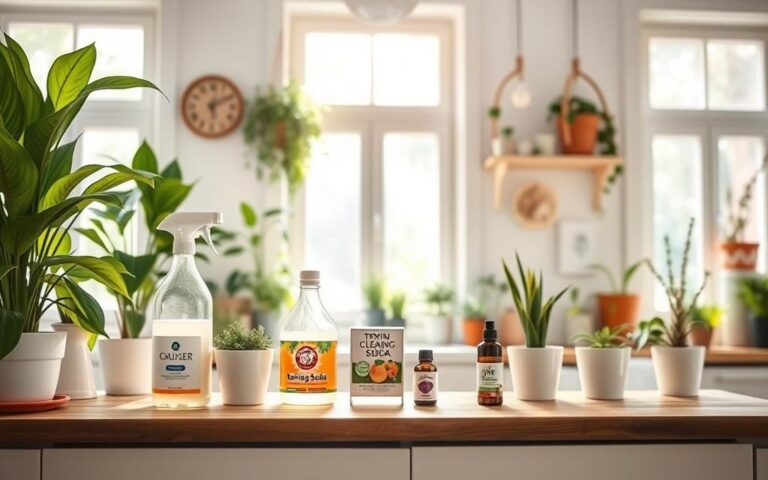

Americans spend about 40 hours each year cleaning their homes. Yet the average household has over 62 toxic substances in cleaning products. This number shows why families choose eco friendly cleaning products for safer living spaces.
The shift toward sustainable cleaning solutions is more than a trend. It marks a real change in how households think about cleanliness and health. Traditional chemical-based cleaners have filled American kitchens and bathrooms for decades.
Today, families know these products can harm both health and the environment. Non-toxic cleaning supplies offer a practical solution. These products clean just as well as conventional cleaners.
They also protect children, pets, and the planet from harmful chemicals. The growing supply of eco-conscious cleaning products makes switching easier than ever. This guide shows why eco friendly cleaning products matter for American households.
It covers what these products are and how they work. You will learn how to pick the right options for your family. You will discover practical ways to switch to sustainable cleaning solutions without losing cleaning power.
Key Takeaways
- Over 62 toxic substances can be found in the average American home’s cleaning products.
- Eco friendly cleaning products deliver the same cleaning results without harsh chemical dangers.
- Non-toxic cleaning supplies protect family health, especially for children and pets.
- Sustainable cleaning solutions reduce water pollution and environmental damage.
- Eco-conscious cleaning products come in many affordable options for every budget.
- Making the switch to green cleaners takes just a few simple steps and planning.
Understanding Eco-Friendly Cleaning Products
Smart household cleaning starts with knowing what eco friendly cleaning products really are. These cleaners move away from harsh synthetic chemicals toward safer alternatives. Understanding their makeup helps families choose what enters their homes wisely.
What Are Eco-Friendly Cleaning Products?
Eco friendly cleaning products reduce environmental harm while cleaning effectively. They avoid dangerous Volatile Organic Compounds (VOCs) that hurt air quality. Green cleaning products use plant-based ingredients that work well without toxic residues.
Environmentally friendly cleaning supplies break down naturally in water systems. This prevents long-term pollution in homes and waterways. Many families switch to these products to eliminate chemical odors and reduce health risks.

Key Ingredients in Eco-Friendly Cleaners
Natural cleaning products rely on powerful ingredients from nature. These components show why earth-friendly cleaning alternatives work well:
- Plant-based surfactants replace petroleum-derived chemicals and lift dirt and grease
- Citric acid cuts through mineral deposits and disinfects surfaces naturally
- Essential oils provide antimicrobial properties without synthetic bleach toxicity
- Baking soda acts as a gentle abrasive for scrubbing power
- Vinegar dissolves buildup and eliminates odors safely
These ingredients work together to clean effectively while staying safe for families and the planet.
Benefits of Using Eco-Friendly Cleaning Products
Switching to eco friendly cleaning products offers meaningful advantages for both families and the planet. Understanding these benefits helps households make informed choices about what they bring into their homes. The shift toward cleaner living spaces extends far beyond just removing dirt and grime.
Health Benefits for Your Family
One of the biggest health advantages of using environmentally friendly cleaning supplies is reducing indoor air pollutants. Traditional cleaners release volatile organic compounds, or VOCs, into the air. These chemicals can trigger respiratory problems, headaches, and allergic reactions in family members.
Non-toxic cleaning supplies eliminate dangerous synthetic fragrances and corrosive agents that harm breathing systems. Families with children or pets benefit greatly from this switch. Babies and young children spend much time on floors, where cleaning residue lingers.
- Fewer respiratory irritations and asthma flare-ups
- Reduced skin allergies and reactions
- Lower exposure to carcinogenic substances
- Safer play environments for children and pets
Environmental Advantages
Sustainable cleaning solutions protect waterways and ecosystems. Fewer harmful chemicals flow into municipal wastewater treatment plants. This reduces the chemical load that treatment facilities must process.
These products break down naturally without leaving toxic residues in soil or water. Marine life and aquatic plants stay protected from pollution.
| Cleaning Product Type | Traditional Impact | Eco-Friendly Impact |
|---|---|---|
| Multi-Surface Cleaner | Contains phosphates and VOCs | Biodegradable and plant-based |
| Laundry Detergent | Releases microplastics in water | Dissolves completely, no residue |
| Dish Soap | Harms aquatic organisms | Safe for local ecosystems |
Making the switch to sustainable cleaning solutions represents a proactive step toward environmental responsibility. Every bottle of eco-friendly cleaner chosen is one less toxic product entering our waterways.
Popular Types of Eco-Friendly Cleaning Products
The cleaning product market now includes many specialized eco friendly cleaning products for specific tasks. Shoppers have access to high-quality options that work as well as traditional cleaners. These products range from all-purpose sprays to specialized formulas for different cleaning challenges.
Multi-Surface Cleaners
Multi-surface cleaners represent one of the most popular categories of green cleaning products. These versatile solutions work on countertops, glass, tile, and wood surfaces. They leave no streaks or residue behind.
Most contain biodegradable enzymes that break down dirt and grime naturally. Families appreciate that multi-surface cleaners reduce the number of products needed under the sink.
- Clean kitchen and bathroom surfaces safely
- Remove fingerprints from glass and mirrors
- Break down grease buildup effectively
- Leave no toxic fumes or harmful residues
Laundry Detergents
Natural cleaning products in laundry form have become increasingly popular among environmentally conscious families. These detergents work without phosphates and bleach that harm waterways. Eco-conscious cleaning products use plant-based enzymes to lift stains from fabric fibers.
| Feature | Eco-Friendly Detergents | Conventional Detergents |
|---|---|---|
| Biodegradable | Yes | No |
| Phosphate-Free | Yes | Often contains phosphates |
| Plant-Based Enzymes | Yes | Synthetic chemicals |
| Safe for Septic Systems | Yes | May damage systems |
| Cost Per Load | Competitive | Varies by brand |
Dish Soaps
Dish soaps made with environmentally friendly cleaning supplies offer grease-cutting power without harsh chemicals. Many brands use coconut oil and plant extracts to break down stubborn food particles. These natural cleaning products protect aquatic life by breaking down quickly in water systems.
Quality eco-conscious cleaning products deliver the cleaning power families expect while protecting the planet. Shoppers can find these specialized cleaners at most grocery stores and online retailers. Making the switch to sustainable cleaning has never been easier.
How to Choose Eco-Friendly Cleaning Products
Selecting the right eco friendly cleaning products can feel overwhelming with so many options available. You need to understand what makes a product truly safe and effective. Learning to read labels helps you make informed choices for your family and the environment.
Reviewing Labels and Certifications
Look for third-party certifications that verify safety standards on environmentally friendly cleaning supplies. The EPA Safer Choice label is one of the most trusted marks. This certification proves products have been tested and meet strict safety requirements.
Reading ingredient lists is essential for evaluating sustainable cleaning solutions. Many products hide harmful chemicals like phthalates and parabens in their formulas. Full ingredient disclosure lets families understand exactly what they bring into their homes.
Best Practices for Selecting Products
Prioritize non-toxic cleaning supplies that carry recognized certifications. Look for labels that clearly state “plant-based,” “biodegradable,” or “hypoallergenic.” These terms indicate the product meets higher safety standards.
Consider these helpful selection tips:
- Check for EPA Safer Choice and Green Seal certifications
- Review the complete ingredient list before purchasing
- Avoid products listing “fragrance” without specifications
- Choose concentrated formulas to reduce plastic waste
- Read customer reviews on trusted retail websites
Taking time to research products ensures families get effective cleaners. These choices protect both your health and the planet.
DIY Eco-Friendly Cleaning Solutions
Making your own eco friendly cleaning products at home is simple and affordable. Homeowners can create powerful solutions using basic kitchen ingredients. This approach gives people full control over what chemicals enter their homes.
Simple Recipes for Home Cleaning
Creating natural cleaning products requires just a few common items. Here are popular recipes that work for different cleaning needs:
- All-Purpose Cleaner: Mix one part white vinegar with one part water in a spray bottle. Add ten drops of lemon essential oil for a fresh scent.
- Bathroom Scrub: Combine baking soda with water to form a thick paste. This earth-friendly cleaning alternative removes soap scum and hard water stains effectively.
- Floor Cleaner: Blend half a cup of vinegar with one gallon of warm water. Use for tile, wood, and linoleum floors.
- Window Spray: Mix two tablespoons of vinegar with one quart of water for streak-free windows.
White vinegar’s pH level of approximately 2.5 makes it highly acidic. It cuts through grease and buildup effectively. Baking soda works as a gentle scrub and odor neutralizer.
These non-toxic cleaning supplies are ideal for families with children and pets.
Ingredients to Avoid
Safety matters when mixing your own natural cleaning products. Never combine certain substances, as they create dangerous reactions:
| Ingredients to Never Mix | Why It’s Dangerous |
|---|---|
| Bleach and Ammonia | Creates toxic chloramine gas, causing serious respiratory harm |
| Bleach and Vinegar | Produces chlorine gas, which damages lungs |
| Hydrogen Peroxide and Vinegar | Generates peracetic acid, a strong irritant |
| Multiple Cleaners Together | Unknown chemical reactions may cause toxic fumes |
Using simple ingredients like vinegar and baking soda eliminates hazardous reactions. These earth-friendly cleaning alternatives keep homes safer. They also protect water systems from harmful chemicals.
Evaluating the Effectiveness of Eco-Friendly Cleaners
Modern eco friendly cleaning products have transformed the cleaning market with rigorous testing standards. These products undergo extensive laboratory evaluations to prove they work well. Families switching to green cleaning products want reassurance their homes will be spotless without harmful chemicals.
Understanding how these products perform helps buyers make smart choices. Performance data and customer experiences reveal whether natural cleaning products truly deliver on their promises.
Performance Comparisons with Conventional Products
Testing labs compare eco-conscious cleaning products against standard cleaners using identical conditions. Researchers measure how well these products remove grease, bacteria, and tough stains from various surfaces.
| Cleaning Challenge | Conventional Cleaners | Eco-Conscious Products |
|---|---|---|
| Grease Removal | Excellent – 95% effective | Excellent – 94% effective |
| Bacterial Reduction | Very Good – 99% reduction | Very Good – 98% reduction |
| Hard Water Stains | Good – 85% removal | Good – 84% removal |
| Drying Time | Average – 5 minutes | Average – 6 minutes |
Results show earth-friendly cleaning alternatives perform nearly identically to conventional products. The minimal differences rarely impact everyday cleaning tasks in households.
Consumer Reviews and Feedback
Online reviews provide valuable insights into real-world performance. Customers share honest opinions about natural cleaning products they use daily in their homes.
- Families report satisfaction with cleaning power and fresh scents
- Users appreciate reduced allergic reactions and respiratory irritation
- Parents value safety when children touch cleaned surfaces
- Buyers mention longer shelf life and better value over time
Customer feedback reveals that eco-conscious buyers prioritize both effectiveness and safety. Many consumers switching to green cleaning products express surprise at how well they work. Building trust through honest reviews helps new customers feel confident choosing earth-friendly cleaning alternatives.
Eco-Friendly Brands to Consider
Finding the right cleaning brand helps your home and the environment. Many trustworthy options exist for shoppers seeking eco friendly cleaning products. Both large companies and small businesses create sustainable solutions that work well.
These products protect your family while cleaning effectively. Understanding brand differences helps you make smart household choices.
Top-Rated Brands in the Market
Several brands have earned strong reputations for quality non-toxic cleaning supplies. These companies share ingredient lists openly with customers. They invest in research to match traditional cleaner performance.
- Method uses plant-based ingredients and recyclable packaging for all surface cleaners
- Seventh Generation offers hypoallergenic formulas without dyes or perfumes
- Ecos produces biodegradable cleaning solutions for laundry and dishes
- Mrs. Meyer’s Clean Day uses essential oils instead of synthetic fragrances
- Biokleen specializes in concentrated formulas that reduce plastic waste
Local vs. National Brands
Local eco-conscious cleaning products often feature zero-waste packaging. Small businesses source ingredients within their regions. This cuts transportation costs and emissions significantly.
National brands bring consistency and wider availability. They offer extensive testing across many households.
| Brand Type | Key Advantages | Typical Price Range |
|---|---|---|
| National Brands | Wide availability, consistent quality, proven track records | $3–$8 per bottle |
| Local Brands | Community support, minimal packaging, unique formulas | $4–$10 per bottle |
Check brand certifications before buying sustainable cleaning solutions. Read customer reviews to learn about real experiences. Test products at home before making large purchases.
The Role of Regulations in Eco-Friendly Products
Government regulations shape the eco-friendly cleaning market in powerful ways. They set standards that separate real eco friendly cleaning products from marketing tricks. Organizations like the Environmental Protection Agency (EPA) create rules that companies must follow.
These rules ensure that environmentally friendly cleaning supplies actually work and protect the environment. Consumers can trust products that meet government standards. Regulations help families make safer choices for their homes.
Choosing eco-conscious cleaning products means relying on certifications and labels. These marks tell shoppers that products meet strict requirements. Without these standards, companies could make false claims about their items.
Regulations prevent greenwashing and protect families from misleading advertising.
Understanding Green Certifications
Green certifications show that a product has passed tough tests. The EPA Safer Choice initiative is one important program. Products earning this label meet science-based criteria for safety and environmental impact.
Green cleaning products with these badges give buyers confidence in their choices.
Different certifications exist for different needs:
- EPA Safer Choice identifies safer chemical formulas
- Leaping Bunny confirms no animal testing
- Green Seal checks for environmental responsibility
- USDA Bio-based verifies natural ingredients
Impact of Government Policies
Government rules push companies to create earth-friendly cleaning alternatives. Regulations require safer ingredients, so manufacturers respond by innovating. This creates a market where eco-conscious cleaning products can thrive and compete fairly.
Strong policies reward companies making real changes. They protect consumers from false promises. Buyers benefit because they know certified products have real advantages.
Choosing regulated eco-conscious cleaning products sends a message to the industry. This encourages all companies to adopt stronger earth-friendly cleaning alternatives.
“Regulations transform market behavior by making responsibility profitable.”
These protective measures build trust in the entire green cleaning industry.
Common Misconceptions about Eco-Friendly Cleaners
Many people hold onto outdated beliefs about eco friendly cleaning products. These misunderstandings often prevent households from making the switch to safer alternatives. The cleaning industry has changed dramatically over the past decade.
New formulations now challenge old assumptions. Understanding the truth behind these myths helps consumers make informed choices about their cleaning routines.
Myths vs. Facts
One of the biggest myths is that green cleaning products cannot tackle tough stains. This belief stems from early versions of natural cleaning products. Modern science has transformed this landscape entirely.
Today’s eco-conscious cleaning products use advanced bio-based chemistry. These formulations deliver results matching conventional cleaners.
Another common misconception suggests that natural cleaning products cost significantly more. While some premium brands do carry higher price tags, many affordable alternatives exist. Consumers can find budget-friendly eco-conscious cleaning products at most stores.
- Green cleaning products require much longer wait times to work
- Natural cleaning products cannot disinfect effectively
- Eco-friendly cleaners leave sticky or unpleasant residue
- These products work only on light dirt and dust
The Truth Behind Effectiveness
Research demonstrates that green cleaning products perform just as well as conventional cleaners. Some may need slightly longer contact time with surfaces to break down stubborn stains. This small difference hardly impacts daily cleaning routines.
| Cleaning Task | Eco-Friendly Products | Traditional Cleaners |
|---|---|---|
| General Surface Cleaning | Excellent Performance | Excellent Performance |
| Grease Removal | Very Good Performance | Excellent Performance |
| Disinfection | Good to Excellent | Excellent Performance |
| Glass and Mirrors | Excellent Performance | Very Good Performance |
Spreading accurate information about natural cleaning products is crucial for the industry’s growth. Learning the facts reveals that switching to eco-conscious cleaning solutions doesn’t mean sacrificing cleanliness. Education empowers consumers to embrace sustainable choices confidently.
Transitioning to Eco-Friendly Cleaning Routines
Making the switch to a cleaner, greener home does not require changing everything at once. Families can build lasting habits by taking small, intentional steps that feel manageable. The journey toward a healthier household starts with understanding that replacing products gradually makes the transition smoother.
Steps to Make the Switch
Beginning the transition to eco-friendly cleaning products works best when families start with items they use most often. Learning how to transition to an eco-friendly cleaning helps households replace conventional cleaners with safer alternatives at a comfortable pace.
The first step involves checking ingredient lists on current products. Families should look for harmful chemicals like phthalates, sodium lauryl sulfate, ammonia, and bleach. Next, they can replace laundry detergent and multi-surface cleaners with non-toxic cleaning supplies that work just as well.
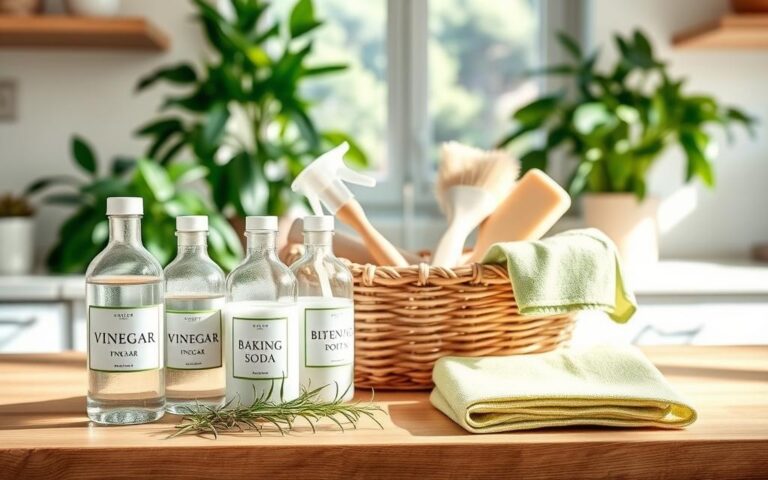
Investing in reusable tools reduces waste significantly. Microfiber cloths, glass spray bottles, and compostable sponges replace disposable options. Natural cleaning products made with vinegar, lemon, baking soda, and essential oils offer powerful cleaning power.
- Start with high-use products first
- Swap out laundry detergent for a non-toxic formula
- Choose sustainable cleaning solutions for daily use
- Purchase refillable spray bottles to reduce plastic waste
- Stock basic ingredients like vinegar and baking soda
Building Lasting Habits
Creating sustainable habits takes time and patience. Families benefit from setting one goal at a time rather than overhauling their entire cleaning routine overnight. This approach prevents feeling overwhelmed and increases the likelihood of sticking with changes long-term.
Packaging choices matter when building eco-conscious routines. Choosing concentrated formulas and refillable containers dramatically cuts down on plastic waste. Many households discover that switching to natural cleaning products actually costs less over time since concentrated versions last longer.
Sharing progress with others strengthens commitment. Hosting a green cleaning swap, posting sustainable tips online, and leading by example inspire family and friends. Teaching children about why these switches matter builds environmental awareness from an early age.
| Cleaning Task | Conventional Product | Eco-Friendly Alternative | Cost Impact |
|---|---|---|---|
| Laundry | Chemical detergent | Plant-based detergent | Similar or lower |
| Surface cleaning | Multi-purpose spray with harsh chemicals | Vinegar and water solution | Much lower |
| Dish washing | Synthetic soap with dyes | Plant-based dish soap | Similar |
| Floor care | Chemical floor cleaner | Baking soda and lemon mixture | Much lower |
The transition toward using eco-friendly cleaning products represents a journey rather than a destination. Each small change contributes to creating a healthier home environment and reducing the family’s overall chemical footprint. Embracing sustainable cleaning solutions gradually builds confidence and demonstrates that protecting both family health and the planet is achievable.
Looking Ahead: The Future of Eco-Friendly Cleaning Products
The cleaning industry is entering a new era. Market data from 2023 shows a major surge in consumer demand for sustainable household goods. Families want products that work well and protect the planet.
Innovations in Eco-Friendly Solutions
Companies are developing smarter ways to make environmentally friendly cleaning supplies. Concentrated formulas reduce plastic waste and shipping costs. Refillable packaging systems are becoming standard practice for many brands.
These advances mean consumers can save money while using green cleaning products. Technology is changing how sustainable cleaning solutions reach American homes. Brands like Seventh Generation and Ecos lead with plant-based ingredients and minimal packaging.
Smaller eco-focused companies are rising in popularity. They offer earth-friendly cleaning alternatives that do not sacrifice performance. Innovation in this space shows no signs of slowing down.
Trends in Consumer Awareness
More households across the United States are making the switch to eco-friendly products. People read labels more carefully and understand what certifications mean. They ask questions about ingredients and environmental impact.
This awareness creates demand for better products. It pushes companies to be more transparent about their practices and sourcing methods.