
Nearly 90% of Americans notice dust and grime daily. However, most people only perform surface cleaning.
A proper deep clean removes hidden buildup that affects health and home longevity. This guide shows how to tackle every room with clear, practical steps that produce lasting results.
This ultimate house cleaning checklist outlines important goals. These include removing dirt, sanitizing high-touch areas, and improving air quality.
It also focuses on protecting appliances and creating organized spaces. The guide covers every room, including the living room, kitchen, bathroom, bedrooms, and laundry room.
It also addresses windows, entryways, hallways, maintenance, and sustainable practices. This guide is meant for homeowners, renters, and busy professionals.
Families across the U.S. can benefit from expert cleaning advice and efficient methods. Readers should check the preparing section first before following room-by-room instructions.
Lastly, use maintenance tips to keep your results for the long term.
Key Takeaways
- The deep cleaning house guide focuses on hidden dirt and germs, not just visible mess.
- Follow the comprehensive deep cleaning guide room by room for the best results.
- Use the ultimate house cleaning checklist to stay organized and efficient.
- Deep cleaning improves air quality and extends the life of appliances and surfaces.
- Preparation and sustainable practices make deep cleans easier to maintain.
Understanding Deep Cleaning: What It Entails
Deep cleaning goes beyond routine chores. It tackles hidden grime, grease, mold, allergens, and bacteria.
It reaches behind and beneath furniture, inside ovens and refrigerators, into vents, grout lines, and upholstery. The goal is to restore surfaces and improve indoor health through focused work guided by a checklist.

Definition of Deep Cleaning
Deep cleaning is an intensive, room-by-room process. It removes embedded dirt and other contaminants.
Tasks include degreasing appliance interiors, steam-cleaning carpets, scrubbing grout, and vacuuming vents. This follows detailed cleaning instructions, ensuring every area gets attention.
Importance of Deep Cleaning
Health benefits are a primary reason for deep cleaning. Thorough efforts reduce allergens, mold spores, and bacteria.
These can trigger respiratory issues and skin irritation. A deep clean can restore worn surfaces and help appliances run efficiently.
Preventive maintenance extends the life of countertops and HVAC systems. It also reduces repair costs over time.
A clean environment lowers stress and supports mental clarity. This happens by removing clutter and visible grime.
Difference Between Regular and Deep Cleaning
Regular cleaning involves weekly tidying and surface wiping. It keeps visible areas presentable.
Deep cleaning is periodic and intensive. It aims at areas that routine work misses.
For example, wiping counters differs from degreasing an oven interior, or sweeping floors differs from cleaning grout and upholstery.
Most households benefit from seasonal or biannual deep cleans. Homes with pets, allergies, or heavy foot traffic may need deep cleaning more often.
Signs that a deep clean is needed include persistent odors, visible grime in neglected spots, and frequent allergy flare-ups. Moving in or out of a residence also signals the need for a deep clean.
| Aspect | Regular Cleaning | Deep Cleaning |
|---|---|---|
| Frequency | Daily to weekly | Seasonal or biannual; more if needed |
| Typical Tasks | Dusting, surface wipes, vacuuming | Degreasing appliances, grout scrubbing, vent and upholstery cleaning |
| Health Impact | Maintains basic hygiene | Reduces allergens, mold, and bacteria |
| Equipment | Standard cleaners, broom, mop | Steam cleaners, specialty detergents, HEPA vacuums |
| When to Choose | Routine upkeep | Persistent odors, visible grime, allergy flare-ups, moving |
For best outcomes, pair this deep cleaning guide with expert advice. Create a practical schedule for your home.
Use detailed cleaning instructions in a master checklist. This will help you decide the scope and frequency of cleaning.
Preparing for Your Deep Clean
A careful setup makes deep cleaning faster and less stressful. This guide helps you create a house cleaning checklist and collect tools. It also assists in setting a realistic schedule.
Creating a cleaning checklist
Start with a room-by-room template that lists priority tasks. Group similar tasks together and use checkboxes for prep tasks. These tasks include decluttering, moving small furniture, and emptying trash.
- Living room: dust surfaces, vacuum carpets, clean upholstery (30–45 min).
- Kitchen: degrease stove, wipe cabinets, sanitize countertops (45–60 min).
- Bathroom: scrub shower, disinfect toilet, clean mirrors (30–45 min).
- Bedrooms: dust furniture, flip mattress, vacuum floors (25–40 min).
- Entryways/hallways: sweep, mop, tidy shoes and coats (15–25 min).
Assign time estimates to each task. This keeps the day on track and forms the backbone of a comprehensive cleaning guide. Households can repeat this process easily.
Gathering essential supplies
Gather tools and trusted brands before starting. Recommended items include microfiber cloths and a HEPA vacuum such as Dyson or Shark. You’ll also need an all-purpose cleaner and an EPA-registered disinfectant like Clorox or Lysol.
- Degreaser: Simple Green.
- Glass cleaner and grout brush for tile work.
- Mop, bucket, rubber gloves, trash bags.
- Baking soda, white vinegar, and an enzyme cleaner for pet stains, like Nature’s Miracle.
- Protective gear: use masks for dust and ensure good ventilation.
Having supplies ready reduces interruptions during cleaning. This helps maintain efficient house cleaning methods in each room.
Setting a cleaning schedule
Choose a realistic pace for cleaning. Tackle one or two rooms per day over a weekend. You can also plan a full-day blitz if time allows.
Prioritize the kitchen and bathroom first because they see the most use.
| Plan | What to Cover | When |
|---|---|---|
| Weekend split | Two rooms per day; rotate living areas and bedrooms | Saturday–Sunday |
| Blitz day | Whole-house intensive clean with helpers | One full day |
| Seasonal deep clean | Spring and fall tasks; HVAC, carpets, upholstery checks | Twice yearly |
Integrate smaller tasks into your weekly routines for lasting results. If your home is large, consider hiring professionals. They can manage tasks like carpet cleaning and duct cleaning more efficiently.
Using an ultimate house cleaning checklist and a comprehensive deep cleaning guide helps households prepare for a thorough, manageable clean.
Deep Cleaning the Living Room
The living room sets the tone for the whole home. This part of the deep cleaning house guide presents clear steps. Follow these instructions to remove dust, allergens, and hidden grime.
The goal is a fresh, healthy space using sensible supplies and steady effort.
Dusting and Vacuuming
Start from the top and work your way down. Clean ceiling fans, light fixtures, and crown molding first. Use a microfiber duster to trap dust instead of spreading it around.
Next, dust shelves, electronics, and picture frames. Then move to the baseboards and vents. If you can, pull furniture away from the walls to clean behind it.
Vacuum floors and upholstery using a vacuum with a HEPA filter. Use crevice tools for tight spots and sofa seams. This step follows the top-down method from the deep cleaning house guide and controls allergens.
Cleaning Upholstery and Carpets
Before cleaning any upholstery, spot-test in a hidden area. Use the upholstery attachment to remove dirt from fabric sofas and chairs.
Consider steam-cleaning for heavy soil and allergens. You can rent a machine or hire a carpet cleaning service for high-traffic areas. Brands like Bissell and Hoover offer reliable options.
Pre-treat carpet stains with an enzyme cleaner, then run a deep-clean cycle. Follow the manufacturer’s directions to protect the fibers and finishes.
Wiping Down Surfaces
Take care with electronics. Use a microfiber cloth and manufacturer-recommended cleaner for TVs and tablets. Avoid spraying liquids directly on the devices.
For wood furniture, use a wood cleaner or a damp microfiber cloth, followed by a polish if needed. Clean decorative items gently and dry them before putting them back.
Disinfect high-touch points like remote controls, light switches, and door handles. Use EPA-registered disinfectant wipes or safe diluted bleach solutions.
Lastly, reorganize books and media, launder throw blankets and cushion covers, and replace air purifier filters if needed. Finish with a last vacuum or gentle mop of the floor to capture any settled dust.
These tips and instructions will help you complete a thorough living room refresh.
Deep Cleaning the Kitchen
The kitchen needs focused effort for a deep clean. This guide fits into any house cleaning checklist. It outlines steps for degreasing, cabinet care, sink sanitizing, and pantry organization.
Following best practices helps keep surfaces safe for food prep. It also ensures a thorough house clean.
Degreasing Appliances
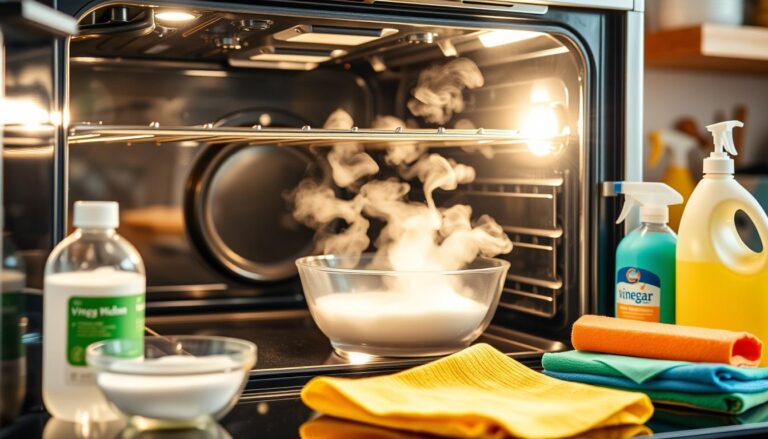
Start by removing oven racks. If your oven doesn’t self-clean, apply a baking soda paste. Let it sit, then scrub and rinse.
For heavy buildup, use a commercial oven cleaner if allowed. Move the refrigerator and stove away from the wall to vacuum crumbs.
Check for mold behind and beneath appliances while cleaning. Clean the stovetop and range hood with a degreaser like Krud Kutter.
For microwaves, steam with a bowl of vinegar and water for five minutes, then wipe clean. Wipe the exterior of refrigerators and dishwashers with mild detergent to remove fingerprints.
Cleaning Cabinets and Countertops
Empty lower cabinets and vacuum crumbs. Wipe the insides with mild detergent. While cabinets are empty, check for pests and damaged liners.
For painted or laminate doors, use a non-abrasive cleaner. Choose a pH-balanced wood cleaner for wood finishes and wipe with the grain.
Match your countertop cleaner to the surface material. Use granite or sealed stone cleaners on natural stone and avoid acidic agents.
For laminate, a non-abrasive all-purpose cleaner works well. Keep your house cleaning checklist handy for proper care of each surface.
Sanitizing Sinks and Faucets
Disinfect stainless-steel sinks by scrubbing with baking soda. Rinse well and finish with a vinegar rinse to remove water spots.
If you need extra germ control, use a commercial disinfectant. Clean faucets and handles with a disinfectant wipe.
Remove mineral deposits by soaking a cloth in white vinegar. Wrap it around the faucet base for 15–30 minutes for best results.
Refresh garbage disposals by running ice cubes and citrus peels to clean blades. Follow this by flushing with a baking soda and vinegar mix.
Finally, maintain water quality by replacing water filters based on manufacturer recommendations.
Organizing Pantry and Fridge
Begin by removing expired items and grouping similar foods. Wipe pantry shelves with a mild cleaner and dry before returning goods.
Use clear bins and labels to keep items visible. Rotate older products to the front for easy access.
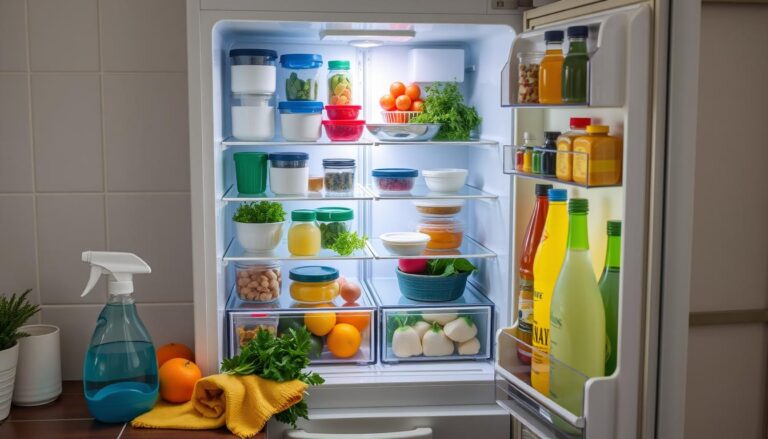
For the fridge, take out shelves and drawers for a warm, soapy wash. Allow them to air-dry before putting them back.
Set the fridge temperature to 35–38°F and place an open box of baking soda inside to absorb odors.
Check door gaskets for cracks or debris and clean them with warm, soapy water. Defrost the freezer if frost buildup exceeds one quarter inch.
This cleaning guide pairs with best practices for food safety. Use your cleaning checklist to track tasks and record maintenance dates.
Deep Cleaning the Bathroom
This part of the deep cleaning guide focuses on the bathroom’s trouble spots and safe methods to restore hygiene. Follow this detailed guide to clean each area effectively. Frequent small efforts help prevent stubborn buildup and keep mold away.
Scrubbing the Toilet and Shower
Apply toilet bowl cleaner under the rim and let it sit as directed. Use a toilet brush to scrub all surfaces. Don’t forget to flush while rinsing the brush afterward.
For shower walls and tubs, use a bleach-based cleaner or hydrogen peroxide to tackle soap scum. Work on grout lines with a grout brush until they look clean.
Clean shower doors with a vinegar-and-water mix to get rid of hard water stains. Wash or replace fabric shower curtains and liners when needed.
Cleaning Mirrors and Fixtures
Spray mirrors using a streak-free glass cleaner or vinegar-water solution. Wipe down using a microfiber cloth for a clear finish. Buff out the edges to eliminate any streaks.
Polish chrome and brass fixtures with a mild cleaner or vinegar. This helps remove mineral deposits. Take care of buildup around faucets and showerheads by soaking removable showerheads in vinegar to dissolve limescale.
Disinfecting Surfaces
Sanitize high-touch areas such as light switches and door handles with an EPA-registered disinfectant. Follow the instructions for wet contact time to guarantee effectiveness.
Use bleach solutions carefully. Mix according to label ratios and avoid combining them with ammonia. Ventilate the room and wear gloves while cleaning.
Washing Towels and Rugs
Wash bath mats, towels, and machine-safe shower curtains in hot water if the labels allow. Hot water helps eliminate bacteria and mold. Dry items completely on high heat or in sunlight when possible.
For rugs with non-slip backing, clean according to the manufacturer’s instructions. Replace them if mildew continues to be a problem. Launder towels regularly and swap bath mats to prevent dampness.
Ventilation and Mildew Prevention
Clean exhaust fan covers to maintain good airflow. Run the fan during and after showers to decrease humidity and slow mold growth.
Inspect grout and caulk for cracks. Reseal or recaulk as necessary to stop water intrusion. Proper ventilation and timely resealing reduce mildew and keep the bathroom fresh.
| Task | Recommended Product | Key Steps |
|---|---|---|
| Toilet | Toilet bowl cleaner (bleach or peroxide based) | Apply under rim, wait, scrub with brush, disinfect exterior, flush |
| Shower/Tub | Bleach cleaner or hydrogen peroxide grout cleaner | Spray grout, scrub with grout brush, rinse, treat glass with vinegar mix |
| Mirrors & Fixtures | Vinegar-water mix, mild metal polish | Spray and wipe mirrors, polish fixtures, soak showerheads in vinegar |
| Surfaces | EPA-registered disinfectant, diluted bleach when appropriate | Wipe high-touch areas, respect contact times, ventilate and rinse if needed |
| Towels & Rugs | Hot-water laundry, mild detergent | Wash on hot when safe, dry completely, replace or deep-clean mildew-prone rugs |
Deep Cleaning Bedrooms
A bedroom deep clean improves sleep quality and air quality. This guide offers steps for dust control and mattress care. Follow practical methods to make cleaning faster and more effective.
Dusting furniture and baseboards
Start high with ceiling fixtures and shelves. Use a microfiber cloth or electrostatic duster to trap dust. Move to dressers, nightstands, window sills, and baseboards.
When possible, pull furniture away from walls. Clean behind and beneath furniture to reach hidden dust. For wood surfaces, use a small amount of Pledge or approved polish.
For painted items, wipe with a damp microfiber cloth. This removes dirt without harming the finish.
Flipping and vacuuming mattresses
Rotate or flip the mattress according to manufacturer guidance. If flipping is not allowed, rotate it every three months.
Use a vacuum with an upholstery attachment to remove dust and dirt. Treat stains with an enzyme cleaner and air the mattress outdoors for 1–2 hours in sunlight.
Allergen-proof mattress and pillow encasements help those with sensitivities. Replace pillow covers often and wash bedding at recommended temperatures.
Organizing closets and drawers
Declutter by creating three piles: keep, donate, and discard. Slim hangers maximize space and create a neat look. Use clear bins and labels for easy access.
Vacuum closet floors and wipe shelves before returning items. Store wool or silk clothes in breathable bags with cedar blocks.
Drawer organizers help separate socks, underwear, and small items. This makes it easier to find what you need.
To improve air quality, change HVAC filters on schedule. Change room air purifier filters as needed and wash bedding regularly. These steps align with the deep cleaning house guide and ensure a cleaner home.
| Task | Tools | Frequency |
|---|---|---|
| Dust ceiling fixtures and baseboards | Microfiber cloth, extendable duster | Monthly |
| Vacuum mattress and rotate | Upholstery vacuum attachment, enzyme stain remover | Every 3 months |
| Launder bedding | Washer, hypoallergenic detergent | Weekly for sheets; monthly for duvet covers |
| Declutter and organize closet | Slim hangers, clear bins, drawer organizers | Seasonal |
| Replace air filters | HVAC or purifier filters specified by brand | Every 3 months or by manufacturer |
Deep Cleaning the Laundry Room
To keep the laundry room fresh, have a clear plan as part of your deep cleaning guide. A focused approach saves time and prevents mildew and lint buildup. The steps below include efficient cleaning methods for both front-loaders and top-loaders.
Cleaning the Washer and Dryer
For front-loading washers, run a cleaning cycle with white vinegar and baking soda or a commercial washer cleaner. This helps to remove mold and odors. Wipe the door seals, detergent dispensers, and the outside with mild soap and warm water.
For top-loaders, run an empty hot cycle with bleach or a labeled cleaner. Empty and vacuum lint from the dryer trap and housing. Wipe the dryer drum and remove debris from behind the machine if possible.
Inspect hoses and replace any that show wear. Consider having a professional clean vents yearly to prevent fire risks and keep dryers running efficiently.
Organizing Laundry Supplies
Declutter old bottles and organize detergents, stain removers, and dryer sheets in clear bins or on labeled shelves. Store chemicals in childproof areas and recycle empty containers when allowed.
Use an over-the-door organizer or stackable bins to maximize space. A washable rug near the machines can help trap lint and reduce dust.
For detailed tips and a helpful checklist, check out this comprehensive deep cleaning guide.
Sweeping and Mopping Floors
Start by sweeping to remove lint and dust, working from the interior toward the door. Use a microfiber mop with cleaner suitable for the floor type, like tile or vinyl.
Check for water damage at hookups and clean behind machines with a Swiffer or vacuum. Good ventilation ensures floors dry quickly and prevents mold growth.
- Maintenance tip: Clean the utility sink and trap regularly.
- Safety tip: Replace aging hoses to prevent leaks and water damage.
- Organization tip: Label bins to keep supplies easy to find.
Deep Cleaning Windows Throughout the House
This part of the deep cleaning house guide focuses on windows, screens, and seals. Clean, clear windows brighten rooms and cut energy costs. The following steps offer the best ways to clean your house safely.
Cleaning Windowpanes
Start at the top and work down to avoid drips. Use a squeegee with a streak-free cleaner or a vinegar-water mix. Clean both interior and exterior panes when it is safe.
Use extension tools for high windows or hire professionals for tall homes. Wipe sills and tracks with a damp cloth. Scrub grooves with a toothbrush, then vacuum the debris to finish.
Washing Window Treatments
Check the care labels on curtains before washing them. Machine wash or dry-clean as the fabric permits. For blinds, vacuum with a brush attachment then wipe slats with a damp microfiber cloth.
Consider steam-cleaning fabric shades or spot-cleaning stains. Regular attention to window treatments helps to prevent buildup.
Inspecting for Air Leaks
Look for cracked seals, gaps in caulking, and worn weatherstripping. On windy days, feel around the edges for drafts. You can also use an incense stick to find air movement.
Reseal with exterior-grade caulk or add weatherstripping to improve energy efficiency. Replace damaged seals and repair torn screens to prevent condensation and mold.
Deep Cleaning Entryways and Hallways
Entryways and hallways set the tone for a home. A deep cleaning guide helps keep these spaces welcoming and safe.
Small fixes and regular care can boost curb appeal and reduce wear on your flooring and paint.
Sweeping and mopping floors
Use a broom or vacuum to remove dirt and debris before damp mopping. Choose a wood-safe cleaner for hardwood floors.
For tiles, use a specific tile cleaner for grout. Remember to focus on door thresholds and grout lines where dirt builds up.
Place floor mats inside and outside the door to trap grit. Schedule deep floor cleaning after high-traffic periods.
Dusting light fixtures
Always turn off the power before dusting overhead fixtures and lamps with a microfiber cloth. Use a stable ladder for safety.
Focus on small sections to avoid missing spots. Wash and dry any removable shades and covers before putting them back on.
While cleaning, replace burnt-out bulbs and tighten any loose fittings. This improves lighting and safety in your home.
Organizing shoes and coats
Declutter seasonal items and store extras in labeled bins. Use a shoe rack, storage bench, or wall hooks to keep the walkway clear.
Wipe down frequently handled items like keys, doorknobs, and mail baskets with a disinfectant wipe. Repair scuffed baseboards and touch up paint for a neat appearance.
Finally, sweep the porch and check outdoor lighting. These simple steps enhance safety and create a good first impression.
Maintaining a Deep Cleaned Home
Keeping a home fresh after a big clean requires simple routines and smart habits. A short plan helps the family stay on track.
The deep cleaning house guide below lays out clear steps for daily upkeep, quick touch-ups, and seasonal maintenance.
Establishing a Regular Cleaning Routine
Daily tasks prevent dirt from building up. Suggested daily items include washing dishes and wiping counters.
A 10–15 minute nightly tidy-up reduces clutter and makes weekly chores easier. Weekly tasks target high-use areas.
Vacuum floors, clean bathrooms, and wipe down kitchen surfaces. Monthly chores cover vents, behind appliances, and light fixtures.
These steps stop hidden grime from growing. To keep accountability, use checklists or apps and set reminders.
For mattresses, carpets, or HVAC, consider recurring services from brands like Stanley Steemer or local technicians when schedules allow.
Tips for Quick Touch-Ups
Quick cleanups save time and keep the home presentable. Keep a caddy with multi-surface wipes, glass cleaner, and microfiber cloths.
A small spray bottle is useful for spot work. Multi-surface wipes are great for fast sanitizing of counters and switches.
Spot-vacuum high-traffic areas and use a lint roller on upholstery to remove pet hair quickly. A compact vacuum speeds up spot cleaning.
Group tasks by room to move through the house efficiently. For extra efficiency, clean from top to bottom and work in zones.
Store supplies in easy-to-reach places to cut transition time between tasks.
Importance of Seasonal Deep Cleaning
Seasonal deep cleans handle larger jobs that routine maintenance misses. Aim for spring and fall sessions for essential chores.
These include cleaning windows, changing HVAC filters, clearing gutters, and shampooing carpets. These steps help protect the home from wear.
They also maintain indoor air quality. Seasonal attention reduces the risk of costly repairs.
Swapping filters and checking vents keeps heating and cooling systems efficient. A planned seasonal list prevents surprises.
It also stretches the life of appliances and finishes. For guidance on fast, efficient routines and time-saving tricks, consult this fast and efficient home cleaning guide.
Use it to refine top tips for deep cleaning your home and keep a steady rhythm of maintenance.
Sustainable Deep Cleaning Practices
A green approach to deep cleaning keeps your home fresh while protecting people and the planet. This guide pairs effective methods with mindful product choices. Small changes lead to cleaner air, less waste, and lower costs over time.
Eco-Friendly Cleaning Products
Choose trusted brands like Seventh Generation, Method, and Mrs. Meyer’s. These brands offer ready-made options with clear ingredient lists. Look for the EPA Safer Choice label on sprays and detergents.
For tough spots, DIY mixes work well. Use baking soda for scrubbing, white vinegar for glass, and Castile soap for general cleaning.
Never mix ammonia and bleach. This can produce toxic chloramine and other dangerous fumes. Always dilute concentrated bottles according to label instructions to prevent waste.
Reducing Waste During Cleaning
Swap disposable paper towels for reusable microfiber cloths. Microfiber traps dust effectively and lasts through many washes. Use washable mop heads and refillable spray bottles to cut down on plastic waste.
Buy concentrated cleaners and larger bulk sizes to reduce packaging. Recycle empty detergent containers when possible. Store bulk supplies in glass or stainless steel to minimize plastic buildup.
These choices support sustainable cleaning and lead to long-term savings.
Benefits of Sustainable Practices
Using eco-friendly cleaning products reduces chemical exposure and improves indoor air quality. Less toxic runoff helps local waterways and protects wildlife. Over time, concentrated products and reusable tools save money compared to frequent disposable purchases.
For hazardous items like old drain cleaners, follow local waste disposal rules. Recycle old batteries from vacuums and devices at designated drop-off sites. Save energy and water by running full loads in dishwashers and washing machines.
Choose cold-water cycles when possible and use energy-efficient appliances to conserve resources.
Conclusion: Achieving a Clean and Organized Home
This deep cleaning guide simplifies the steps for cleaning your house into a clear, actionable plan. It explains what deep cleaning means, preparing with a checklist and supplies. It also provides room-by-room instructions for your living room, kitchen, bathroom, bedrooms, laundry, windows, and entryways.
Additionally, it highlights sustainable techniques and habits that help maintain your results longer.
Recap of Key Steps
Focus on a prioritized checklist and use the right tools and cleaners. Tackle each room systematically for an efficient process. The guide offers room-specific tips from degreasing kitchen appliances to flipping mattresses and cleaning window treatments.
These core elements are essential for any deep cleaning guide.
Encouragement for Ongoing Maintenance
After deep cleaning, daily tidying and a regular seasonal schedule reduce future effort. These habits preserve the hard work you’ve done. Simple actions—like wiping counters, emptying trash regularly, and quick weekly touch-ups—keep your home comfortable.
Final Thoughts on the Importance of Cleanliness
A deep-cleaned home improves health and extends the life of furniture and appliances. It also increases comfort and resale value. Use the ultimate house cleaning checklist from this guide and consider professional services for specific tasks like mold remediation or HVAC cleaning.
By following these steps, keeping your house clean and welcoming becomes easier every day.