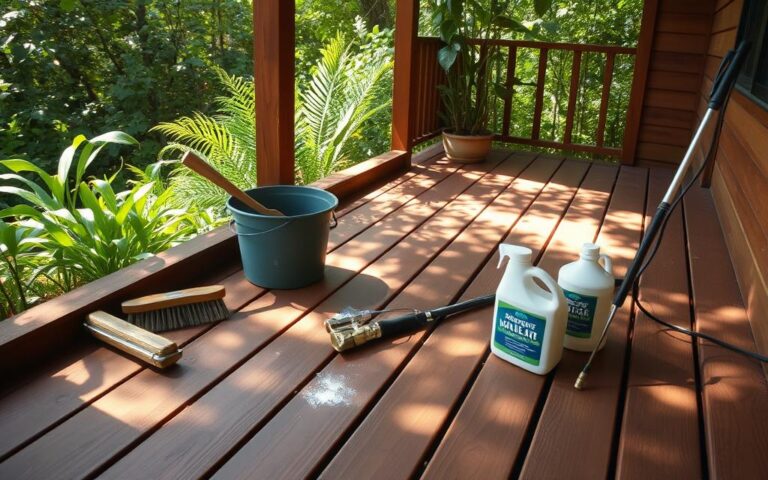

Nearly 70% of homeowners say a clean exterior greatly boosts curb appeal. Yet most delay maintenance until problems appear. This delay can cost time and money.
It can also turn small issues, like mildew or clogged gutters, into big repairs.
This guide gives a clear, beginner-friendly overview of exterior house cleaning for homeowners in the United States. It explains what residential exterior cleaning includes. This ranges from siding and gutters to roofs, windows, and walkways.
It also outlines when to use power washing versus gentler methods.
Readers searching for exterior house cleaning services will find practical, step-by-step techniques. This includes safety tips referencing basic OSHA and household PPE practices.
You’ll also learn about seasonal planning and a comparison of DIY work versus hiring professionals. The article highlights common tools and trusted brands for supplies when useful.
The structure that follows is designed for easy navigation. It covers basics, benefits, equipment, and specific methods for siding and roofs. It also includes window care, driveways and decks, eco-friendly options, and hiring pros.
You’ll find mistakes to avoid, plus a maintenance schedule to keep results long-lasting.
This guide aims to help homeowners improve curb appeal and protect their investment. It also assists in deciding whether to call in house washing services. You may choose to tackle projects yourself using power washing where appropriate.
Key Takeaways
- Exterior house cleaning improves curb appeal and prevents costly damage when done regularly.
- Residential exterior cleaning includes siding, gutters, roof, windows, and walkways.
- Power washing is effective but not always appropriate—choose methods based on the type of surface.
- Follow basic safety practices and protect plants and fixtures before cleaning.
- Decide between DIY and professional house washing services based on your skill, time, and risk.
Understanding Exterior House Cleaning Basics

Exterior house cleaning includes tasks that improve a home’s appearance and protect surfaces. It involves cleaning siding, gutters, roofs, windows, and patios. Homeowners and professionals use these services to remove dirt, stains, and debris.
House siding cleaning varies with material type. Vinyl, wood, fiber cement, and brick need different detergents and pressure levels. Gutters need clearing and flushing to ensure proper flow.
Roof cleaning targets moss and lichen without harming shingles. Proper exterior cleaning increases the life of paint and finishes.
Pressure washing and power washing are often confused but differ in methods. Pressure washing uses high-pressure water alone. Power washing adds heat or detergents to tackle tougher grime.
Both methods depend on two machine specs: PSI (pressure) and GPM (water flow). Higher PSI removes stubborn stains, and higher GPM means fast rinsing. Heat and detergents improve cleaning for oil, mildew, and grease.
Choosing the right PSI, GPM, temperature, and detergent is essential for each surface. Soft wood siding needs lower pressure, while concrete can handle higher pressure. Testing a small area is wise to avoid damage.
Timing affects results and safety in residential exterior cleaning. Spring and fall are great for major jobs because the weather is mild. Light touch-ups in summer help keep dust and pollen away.
Preparing in late fall helps prevent winter damage to gutters and spigots. In humid areas, frequent mildew removal is necessary. Regions with heavy pollen require spring cleaning soon after blooming.
Freezing temperatures impact water use and equipment. Winterizing equipment and draining hoses helps prevent cracks. Avoid pressure washing when freezing is possible, as ice can cause slips and damage finishes.
Scheduling cleanings with local weather patterns in mind maintains results and reduces risks.
Benefits of Regular Outdoor Cleaning Services
Regular maintenance makes a home look cared for and ready for showings. Clean siding, clear gutters, and bright windows shape first impressions. Realtors often suggest professional house washing to boost curb appeal and property value.
Routine cleaning stops small problems from becoming costly repairs. Dirt, algae, and debris can damage paint and siding over time. A yearly inspection can prevent rot and extend the life of your roof.
Removing mold and mildew keeps occupants safe and protects building materials. Mold removal reduces indoor allergens near fresh-air intakes. Clearing algae from walkways cuts slip risks and improves outdoor safety.
Hiring trained crews for pressure cleaning delivers effective results. Professional teams use EPA-registered solutions and follow safety standards. This method cleans better than simple rinses while protecting landscaping.
Simple preventive steps offer measurable benefits. Homeowners report fewer repairs and steadier market interest with regular cleaning. Small yearly investments in outdoor services can increase property value and lower maintenance costs.
| Benefit | What It Prevents | Typical Result |
|---|---|---|
| Regular siding and window washing | Paint degradation, faded appearance | Improved curb appeal and higher buyer interest |
| Gutter and roof cleaning | Clog-related water damage, shortened roof life | Lower repair bills and extended roof lifespan |
| Mold removal treatments | Indoor air quality issues, structural rot | Healthier home environment and safer outdoor surfaces |
| Professional house washing | Ineffective DIY cleaning, landscaping harm | Thorough results using approved cleaners and techniques |
| Seasonal residential exterior cleaning | Accumulated grime and seasonal allergens | Consistent curb appeal and stable property value |
Tools and Equipment for House Washing Services
Choosing the right tools makes exterior surface cleaning faster and safer. A good kit helps with cleaning house siding, driveways, and windows.
This guide is for beginners and experienced homeowners planning house washing services.
- Garden hoses with spray attachments for light rinsing and pretreatment.
- Soft-bristled brushes and scrubbers for delicate siding and trim.
- Telescoping extension wands to reach high eaves and gutters safely.
- Squeegees and microfiber cloths for streak-free window work.
- Ladders with stabilizers, buckets, and durable gloves for general tasks.
Pressure washers versus power washers
- Electric pressure washers are for light-duty jobs. They have lower PSI and are easy to start. They work well on decks, patios, and siding.
- Gas-powered pressure washers offer higher PSI and stronger flow. They are good for driveways and heavy grime. They clean concrete and remove old sealers well.
- Power washers with heated water excel on grease and tough stains. Heating water improves cleaning and reduces scrubbing.
- GPM (gallons per minute) affects cleaning speed. A higher GPM removes dirt faster even with moderate PSI.
Nozzles, detergents, and safety gear
- Nozzle types include: 0° for narrow spray on concrete; 15° for heavy-duty cleaning; 25° for general use; 40° for delicate rinsing. Soap tips provide low-pressure detergent application.
- Use low PSI for vinyl siding. Moderate PSI works for wood decks, while high PSI suits concrete. Always test a small area before cleaning.
- Choose biodegradable detergents for general stains. Oxygen bleach can remove organic growth with less risk than chlorine. Consider trisodium phosphate for deep cleaning, but use chlorine bleach carefully.
- Always wear eye protection and gloves. Hearing protection is important for gas units. Use non-slip shoes and a respirator with strong chemicals.
Brand examples and purchasing tips
- Trusted brands include Simpson, Ryobi, and Sun Joe for electric and gas machines.
- Match the machine’s PSI and GPM to the toughest job at the property. Lightweight electric models are good for small tasks. Use gas or heated units for heavy-duty work.
- Keep replacement nozzles, extra hoses, and a repair kit handy. This reduces downtime during house washing services.
Preparing Your Home for Exterior Surface Cleaning
A short pre-clean inspection saves time and prevents damage during exterior surface cleaning. Walk the perimeter to note siding type, paint condition, and loose shingles. Mark delicate areas like painted trim, older wood, and solar panels for careful treatment.
How to inspect surfaces and identify delicate areas
Start at ground level and check for soft or rotten wood and failing caulk. Tap shingles and siding to find loose pieces. Test small areas with a low-pressure rinse to confirm paint adhesion.
Record findings on a simple form so the cleaning team sees the same priorities. Note gutters and downspouts for blockages and inspect around windows for peeling paint. Flag any delicate items like solar panels or satellite dishes that need special handling.
Protecting plants, outdoor furniture, and electrical fixtures
Cover shrubs, flower beds, and potted plants with plastic or wet burlap to protect them from detergents. Rinse plants before and after using chlorine-based cleaners. Move outdoor furniture to a dry area and cover cushions with plastic bags.
Place weatherproof covers over outlets and exterior lights. Turn off power to outdoor circuits during pressure washing to reduce risk. Keep pets and children inside while work is underway for safety.
Creating a cleaning plan and checklist
Make a step-by-step cleaning checklist that includes the order of tasks, equipment, and materials needed. Start with high-traffic and visible areas. Plan top-to-bottom washes for siding and roofs while clearing gutters first for proper flow.
Include a materials inventory with estimated detergent and water amounts. Add safety checks like ladder placement and a buddy system for roof work. Decide whether to hire professionals for house washing or handle tasks yourself based on time and safety.
Safe Techniques for Pressure Washing Siding
Proper preparation makes house cleaning safe and effective. The right pressure, nozzle, and method reduce surface damage risks. Technicians and homeowners should test a hidden area before full cleaning.
Optimal pressure settings for vinyl, wood, and brick
Vinyl siding cleans well at 1300–1600 PSI using a wide-angle nozzle. This pressure range removes dirt without warping panels. Painted wood needs gentler care; start at 1200 PSI and only increase if tests show no paint loss.
Brick and masonry can handle higher pressure. Use 2000–3000 PSI for deep grime removal but watch mortar joints closely. Always test a small patch first and adjust accordingly.
Proper spray angles and distances to avoid damage
Maintain an 18–24 inch distance for most siding types. Hold the wand at a 45-degree angle to lift dirt without forcing water behind panels. Keep the wand moving to avoid etching or softening the material.
For vertical siding, loosen debris from the bottom to the top with a light pass. Rinse from top to bottom to prevent streaking. When working near windows, trim, or vents, reduce pressure and increase distance for protection.
How to remove stains, algae, and mildew safely
Organic growth responds well to oxygen bleach cleaners based on sodium percarbonate. Apply detergent at low pressure and let it dwell according to label directions. Then rinse gently with pressure washing to support algae removal.
For mildew, use sodium percarbonate solutions designed for exterior use. Rust and oil need specialty rust removers or degreasers. Follow manufacturer instructions closely and always spot-test first.
Always wear PPE during treatment and avoid bleach near landscaping. Rinse runoff away from sensitive plants, and neutralize cleaners when required to protect soil and waterways.
| Surface | Recommended PSI | Nozzle/Technique | Notes |
|---|---|---|---|
| Vinyl siding | 1300–1600 PSI | Wide-angle nozzle, 18–24″ distance, 45° angle | Test hidden area first; avoid concentrated streams |
| Painted wood | 1200–1600 PSI (start low) | Wide-angle or 25° nozzle, keep wand moving | Risk of stripping paint; proceed cautiously |
| Brick and masonry | 2000–3000 PSI | Narrower nozzle for deep cleaning, careful on mortar | Avoid prolonged spray on joints to prevent mortar damage |
| Organic stains (mildew, algae) | Use low-pressure detergent first | Oxygen bleach application, then gentle rinse | Supports effective algae removal without harsh bleach |
| Rust & oil | Vary by product | Specialized rust removers or degreasers, spot test | Follow manufacturer directions; rinse thoroughly |
Roof and Gutter Cleaning for Long-Term Protection
Cleaning roofs and gutters protects a home from water damage. This maintenance also extends the life of roofing materials. Regular care prevents larger repairs later.
Common roof problems include moss, lichen, algae, leaves, and pine needles. Moss can lift shingles, holding moisture against the roof. This speeds up rot and can cause leaks. Algae often shows as black streaks and is caused by Gloeocapsa magma.
Lichen traps dirt with a crusty layer, while algae feeds on shingles, reducing their lifespan.
Manual gutter cleaning works well for many homes. Use gloves and a scoop to remove debris, then flush gutters. Check downspouts with a hose to ensure water flows freely. A wet/dry vacuum or leaf blower can help.
If you have many trees, clean gutters every three months. In other areas, cleaning twice a year is enough.
Maintaining downspouts stops damage to your foundation and landscaping. Check for clogs and add strainers to limit debris. Use extenders to direct water away from the foundation.
The right slope and secure brackets keep gutters working during heavy rain. When roofs are steep or fragile, call a professional.
Contractors provide fall protection, insurance, and proper cleaning systems. They can do soft wash roof cleaning with low pressure, addressing algae while removing moss safely.
When choosing a contractor, check their licenses and insurance. Look at examples of their past work too. A qualified team balances safety and effective cleaning to improve your home’s exterior.
| Issue | DIY Method | Professional Option | Recommended Frequency |
|---|---|---|---|
| Moss on shingles | Soft scraping and rinse; manual moss removal | Soft wash with moss-specific treatments and preventative coatings | Annually or as needed |
| Algae and black streaks | Low-pressure rinse and scrub with mild detergent | Algaecide application during professional house washing | Every 1–2 years depending on shade and humidity |
| Gutter clogs (leaves, needles) | Gloves and scoop, followed by flushing with hose | Gutter cleaning with vacuums and camera inspection | Biannual; quarterly in heavy tree areas |
| Downspout blockages | Flush with hose or use plumber’s snake | Jetting and professional clearing; installation of extenders | Check during each gutter cleaning |
| Steep or fragile roofs | Not recommended for DIY due to fall risk | Contractors with fall protection and insurance | As needed; professional assessment advised |
Window and Glass Cleaning Techniques
Proper window cleaning makes a house look cared for. It also protects glass from long-term damage. This guide covers tools, safety tips, and timing for streak-free results.
Best detergents and tools for streak-free windows
Use a squeegee with a rubber blade and microfiber cloths for the final wipe. A mix of warm water and mild dish soap works well. Professionals often use commercial cleaners like Windex or Unger for tough grime.
For high-traffic glass, purified or deionized water prevents mineral streaks. Replace squeegee blades regularly and keep a lint-free towel nearby to catch drips.
Cleaning skylights and high windows safely
Skylight cleaning needs special care. Water-fed poles with deionized water provide great results without roof access. For roof work with a ladder, never lean it on the skylight. Use harnesses or an aerial lift when needed.
If the job is out of reach, consider hiring trained technicians. They often include skylight cleaning in house washing services. Safety equipment and experience reduce risks and improve outcomes.
Combining window cleaning with overall exterior maintenance
Schedule window cleaning after siding, roof, or gutter cleaning. This helps rinse away loosened dirt in a final pass. Clean frames, screens, and tracks on the same visit to extend the life of components.
When hiring house washing services, ask technicians to rinse windows last. This ensures streak-free windows every time. Regularly coordinating window cleaning with overall exterior maintenance keeps a home looking its best year-round.
Cleaning Driveways, Walkways, and Decks
Routine exterior house cleaning keeps hardscapes and wood surfaces safe and appealing. This section shares practical tips for concrete, pavers, and wooden decks. Each surface needs the right pressure and cleaners to improve its look and extend its life.
Pressure washing concrete, pavers, and wooden decks
Concrete can handle higher PSI levels to remove tough grime. Professionals often use up to 3000 PSI with a turbo nozzle for stubborn buildup. Pavers need strong cleaning but require care not to wash out joint sand.
Wooden decks require gentler pressure between 500–1200 PSI. This lower pressure helps prevent splintering and damage to the wood grain.
Removing oil stains, rust, and organic growth
Fresh oil should be blotted with absorbents like cat litter before cleaning. For older stains, use concrete degreasers or trisodium phosphate alternatives to lift grease. Rust stains respond well to masonry rust removers designed for stone and concrete.
To treat organic growth like algae and mildew, use oxygen bleach-based cleaners. These are effective and gentler on plants than sodium hypochlorite.
Sealing and finishing options after cleaning
After surfaces dry—usually in 24–72 hours—apply a suitable sealer. For wood, use penetrating deck sealers to lock in moisture before staining or painting. For pavers, choose clear or colored sealers to enhance color while preventing stains.
When sealing driveways, select a concrete sealer to limit water entry and freeze-thaw damage. Brands like Thompson’s WaterSeal and Rust-Oleum offer reliable options. Consumers should consider environmental labels and VOC content when selecting products.
Sealing benefits include longer surface life, less water damage, and better curb appeal. Proper finishing is essential for any cleaning and helps maintain results over time.
| Surface | Recommended PSI | Cleaner Type | Sealer Example | Key Caution |
|---|---|---|---|---|
| Concrete driveway | 1500–3000 PSI | Concrete degreaser for oil; oxygen bleach for organic stains | Rust-Oleum concrete sealer | Avoid etching sealers on fresh concrete |
| Pavers and walkways | 1500–2500 PSI | Mild detergent; oxygen bleach for moss and algae | Clear or colored paver sealer | Protect joint sand when pressure washing |
| Wooden deck | 500–1200 PSI | Wood cleaner that raises grain for sanding or staining | Penetrating deck sealer (e.g., Thompson’s WaterSeal) | Test a small area to avoid raising too much grain |
Eco-Friendly Cleaning Solutions and Best Practices
Exterior house cleaning protects landscapes through careful product choice and technique. Biodegradable detergents and low-impact chemicals reduce harm to soil and waterways. Cleaners like EPA Safer Choice certified options and brands such as Simple Green offer plant-based surfactants and oxygen bleach.
These products effectively tackle mildew, algae, and grime without harsh phosphates or chlorine. Professionals and homeowners can limit water use and pollution with targeted methods. Low-pressure washing and low-flow nozzles are effective choices that support water conservation.
Pre-wetting plants before rinsing helps limit contamination. Directing rinse water away from storm drains can further protect the environment. For commercial washings, reclaim systems and closed-loop filtration allow for reuse of wash water.
Runoff management benefits from simple controls that capture sediment and residue. Using filtration mats, absorbent socks, and catch pans helps collect solids before they reach drains. Whenever possible, channel rinse water into permeable landscaping to encourage infiltration and reduce surface runoff.
Follow local hazardous waste rules for disposal of cleaning waste. Collect concentrated cleaner residues and rust remover waste separately. Dispose of them at an approved facility, while small debris can settle in traps and be disposed of with yard waste where allowed.
Preventive care reduces the need for aggressive chemicals and frequent washings. Planting native species cuts down debris and irrigation needs, and regular gentle cleaning helps prevent heavy build-up. Targeted touch-ups preserve water resources and improve cleaning efficiency.
For more product suggestions and techniques, see this practical guide from Dry Gutts. It outlines safe biodegradable solutions and runoff strategies: best eco-friendly solutions for great exterior house cleaning.
Professionals should follow Best Management Practices and local stormwater regulations for larger jobs. By complying with these guidelines, they ensure cleaning protects both homes and the surrounding ecosystem.
Hiring Professional House Washing vs. DIY
Deciding to hire a crew or do exterior house cleaning yourself depends on time, skill, and risk. Trained teams have experience with soft wash methods and safe detergents. Homeowners doing it themselves should think about potential damage and safety risks against the cost savings.
What house washing services typically include
Most companies will wash the exterior siding, soft wash the roof, clean gutters, and wash windows. Many also pressure wash decks and driveways. Some services add protective sealants or algaecides to prevent regrowth.
Bundled maintenance plans cover regular visits, while single-service calls work for specific tasks.
Cost comparison and what affects pricing for residential exterior cleaning
Prices depend on the home’s size and the type of work needed. Small homes often cost between $150 and $300 for basic cleaning. Mid-size properties usually fall between $300 and $600. Larger homes or full-service packages can exceed $600.
Driveway and deck cleaning often come with extra charges. Factors that influence the cost of pressure washing include square footage, roof access, and the level of dirt.
Additional costs may come from needing special detergents or completing roof or gutter work. Locations that are hard to reach often cost more for labor and equipment.
How to vet contractors: licenses, insurance, and reviews
Choose contractors with a valid business license and general liability plus workers’ compensation insurance. Request written estimates that detail services and warranties included. Always ask for references and check online reviews on sites like Google and Yelp.
Confirm the cleaning methods, such as soft wash or high pressure. Also, ask about their safety measures for ladders and electrical fixtures. Associations like Power Washers of North America (PWNA) help you find certified providers.
| Service Element | Typical Inclusion | DIY Consideration |
|---|---|---|
| Exterior siding wash | Soft wash, detergent safe for materials | Requires correct pressure and cleaning mix |
| Roof soft wash | Algaecide application, low-pressure cleaning | Risk of roof damage and falls |
| Gutter cleaning | Debris removal and downspout flush | Needs ladder safety and proper disposal |
| Window washing | Streak-free detergents and squeegees | High windows pose access issues |
| Driveway & deck pressure washing | Concrete and wood settings, stain removal | Wrong nozzle can etch surfaces |
| Protective treatments | Sealants or algaecides to extend results | Requires proper product and application |
Common Mistakes to Avoid During Exterior Cleaning
Exterior house cleaning pays off when done right. Many homeowners make simple errors that lead to costly repairs and harm to plants.
Below are frequent pitfalls and clear steps to avoid them.
Using excessive pressure and wrong nozzles
Too much PSI or a 0° or 15° tip can etch wood and strip paint. It can also drive water behind siding. Test pressure on a hidden spot before using a higher setting.
Replace aggressive tips with wider-angle nozzles for delicate surfaces. This helps to prevent damage caused by using the wrong nozzle.
Neglecting safety and proper protective equipment
Working without safety gear on ladders or wet roofs invites falls and injuries. Always use a harness, ladder stabilizer, and slip-resistant shoes.
Don’t forget to wear eye protection. Never work alone on steep areas, and be careful of electrical lines to avoid shocks.
Skipping pre-test areas and failing to protect landscaping
Always pre-test detergents on an inconspicuous panel to check for reactions. Cover plants, outdoor lights, and HVAC intakes before you start cleaning.
Failing to protect landscaping can cause burned foliage, clogged drains, and electrical shorts. It’s important to take these precautions seriously.
Avoiding these common pressure washing mistakes reduces repair costs and keeps projects on schedule. Proper planning and the right equipment make cleaning safer and more effective.
Maintenance Schedule for Long-Lasting Results
Keeping a clear maintenance schedule helps homes stay attractive and durable. Regular exterior house cleaning prevents buildup that shortens the life of siding, roofs, and decks. A simple plan saves time and money.
Recommended cleaning frequency by surface type
Siding should be cleaned at least once a year. In humid or shaded areas, cleaning every 12 to 24 months is better.
Roofs benefit from attention every one to three years. More frequent checks are wise where moss and algae appear quickly.
Gutters need clearing twice a year, in spring and fall. Extra checks are needed under heavy tree cover.
Driveways and patios respond well to annual cleaning. Windows are best washed twice yearly or when dust builds up. Decks should be cleaned annually before sealing.
Seasonal tasks and quick touch-up tips
Spring tasks include removing winter grime, checking gutters, and a light rinse of siding. This cleaning restores curb appeal and prepares the house for warmer months.
Summer is ideal for spot-cleaning stains and protecting plants during work. Quick touch-ups after storms can stop stains from setting.
In fall, clear leaves, prep downspouts, and treat roof areas prone to algae. Winter tasks focus on ensuring downspouts work properly and removing ice safely.
For fast fixes, spot-spray high-traffic stains. Rinse siding after heavy rains and sweep debris off decks to avoid damage.
Record keeping and tracking service history
A concise log helps homeowners track service history and plan future work. Record dates, services performed, product brands, and photos.
Keeping warranties and guarantee information with the log makes claims easier. Well-kept records assist resale and insurance reviews.
| Surface | Recommended Frequency | Seasonal Priority |
|---|---|---|
| Siding | Annually or every 1–2 years | Spring rinse; spot-clean after storms |
| Roof | Every 1–3 years or as needed | Fall algae check; winter ice management |
| Gutters | Twice yearly (spring, fall) | Clear leaves in fall; check after storms |
| Driveways & Patios | Annually | Spring deep clean; spot-treat stains anytime |
| Windows | Twice yearly or per pollen cycles | Spring and fall for best clarity |
| Decks | Annually before sealing | Spring clean; prep for summer use |
Homeowners who follow a clear maintenance schedule get better long-term results. Seasonal cleaning paired with a well-kept log helps everyone coordinate work easily.
Conclusion
Regular cleaning of your home’s exterior enhances curb appeal and keeps small issues from turning into costly repairs. It also improves health by removing mold, mildew, and allergens. Homeowners should see exterior cleaning as a part of routine maintenance.
Soft washing works best for delicate siding and roofs. Use pressure washing for concrete surfaces, and power washing where tougher cleaning is needed.
To begin, inspect your home and create a simple cleaning checklist. Then, choose the right method for each surface. DIY pressure washing can be cost-effective for many jobs.
For complex roofs or large projects, hire a professional. Homeowners can check methods and solutions in this practical guide: exterior cleaning overview.
Be sure to follow safety protocols. Always test cleaning methods in a small area first. Protect your landscaping and fixtures during the process.
Keep track of services and seasonal schedules to maintain your home’s value. Planned maintenance and the right mix of DIY and professional services will help your property look its best for years.