
Did you know that the average person spends about 14,600 hours doing household chores in their lifetime? While that number seems huge, you can keep your home clean in just 20 minutes a day. A good daily cleaning routine lets you manage chores easily and enjoy a tidy space without too much stress.
Key Takeaways
- A structured daily cleaning routine can save time and enhance cleanliness.
- Incorporating a household chore list into your schedule keeps tasks manageable.
- Focusing on essential areas each day ensures a consistently tidy home.
- Using the right tools can make cleaning more efficient.
- Developing good daily cleaning habits creates a welcoming living environment.
- 20 minutes a day is all it takes to maintain a clean and organized home.
Importance of a Daily Cleaning Routine
A structured daily cleaning routine is vital for keeping an organized home. It offers many benefits for everyone.
Regular cleaning not only makes a space look appealing but also promotes health and well-being.
Benefits to Health and Well-being
Implementing a daily cleaning routine reduces allergens, bacteria, and harmful substances in the home. This proactive approach minimizes health risks and creates a healthier living space.
Regular cleaning removes dust mites, pet dander, and mold. These can worsen allergies and breathing problems. The health benefits of cleaning include fewer illnesses and improved air quality.
Impact on Home Appearance
Consistent cleaning enhances the overall look of a home. A tidy space is inviting and sets a positive atmosphere for everyone.
Clearing clutter and dusting surfaces regularly keeps the home looking fresh. This visual appeal positively influences the mood and comfort of everyone in the household.

Creating a Stress-free Environment
Regular cleaning helps create a stress-free environment. An organized home promotes mental clarity and reduces feelings of chaos.
When living spaces are clean, individuals feel more in control. This makes daily tasks seem less overwhelming.
Ultimately, a well-maintained home fosters calm, making daily life more manageable and enjoyable.
Key Areas to Focus On
It is crucial to cover all key cleaning areas in your daily home routine. Each room has unique needs that require special attention. This ranges from dusting to sanitizing high-touch surfaces.
Your cleaning checklist should include these essential zones to make the most of your efforts.
Living Room Maintenance
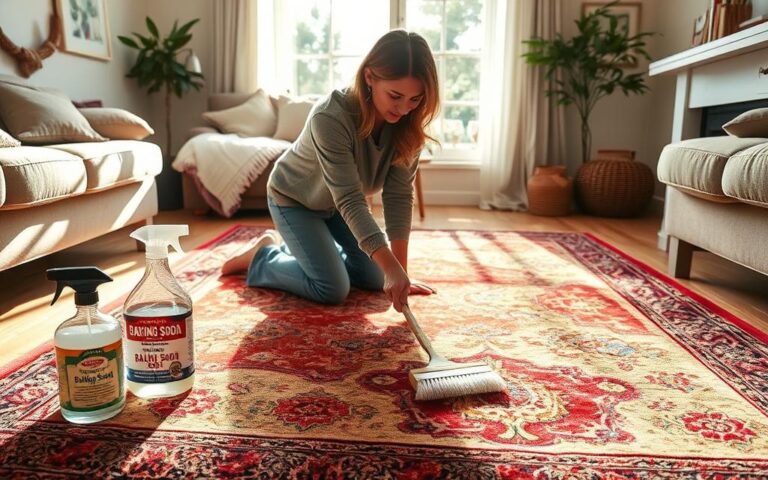
The living room is a central gathering space that needs consistent care. Focus on dusting surfaces, vacuuming carpets, and decluttering. Pay special attention to high-traffic areas with a cleaning checklist to ensure no spot is overlooked.
Kitchen Cleanliness
The kitchen is the heart of food preparation and needs thorough sanitation. Wipe down countertops, appliances, and sinks daily to remove bacteria and food residues. Regularly sweeping and mopping the floor is essential for overall hygiene and safety.
Bathroom Upkeep
The bathroom needs special attention to hygiene because it is used frequently and has high moisture levels. Daily wipe-downs of sinks, mirrors, and counters, along with regular toilet and shower cleaning, are very important. A cleaning checklist will help manage these tasks and prevent buildup.
Bedroom Tidiness
A tidy bedroom contributes to better sleep and overall well-being. Make the bed each morning, dust surfaces, and organize items often. Following this routine for these key cleaning areas will keep your personal space a sanctuary for rest.
Essential Tools for Daily Cleaning
Using the right cleaning tools makes daily cleaning easier and faster. These tools help keep your home clean with little effort.
Multi-surface Cleaners
Multi-surface cleaners are useful for many areas in your home. They work well on countertops, sinks, and other surfaces. These cleaners remove dirt and grime effectively, making them a must-have.
Microfiber Cloths and Sponges
Microfiber cloths and sponges are among the best cleaning tools available. They trap dust and debris without scratching delicate surfaces. Plus, they are reusable, making them an eco-friendly option.
Brooms and Mops
Brooms and mops are essential for keeping floors clean. A good broom sweeps away dirt and dust effectively. A mop handles stubborn grime, especially in kitchens and bathrooms.
Vacuum Cleaners
Vacuum cleaners are crucial, especially for homes with carpets and pets. They remove dust, debris, and allergens from floors and furniture. This helps create a healthier living environment.
Time Management in Your Routine
Effective time management is key to having an efficient cleaning routine. It helps you keep your space tidy without feeling stressed.
Setting a Timer for Efficiency
One great way to make cleaning easier is to set a timer. This creates urgency and helps you stay focused on tasks.
By giving yourself set time frames for each chore, you keep your routine organized and on track.
Prioritizing Tasks
To get the most important chores done first, you must prioritize tasks. Decide which areas need attention and plan your schedule.
This way, even if you have limited time, you can complete essential cleaning activities.
Flexibility in Scheduling
Being flexible with your cleaning schedule helps you adjust to surprises or changes in your plans. This makes your cleaning routine sustainable.
It allows your cleaning process to fit smoothly into your life, making it less stressful.
Creating a 20-Minute Cleaning Plan
The key to a clean home is a 20-minute cleaning plan. This approach helps manage chores and keeps every area tidy. A consistent routine makes tasks easier and more manageable.
Here’s how to break down your cleaning tasks and involve the whole family.
Breaking Down Tasks
One critical aspect of the cleaning tasks breakdown is dividing chores into smaller steps. This method allows tasks to be completed quickly without feeling overwhelming. You can organize these tasks as shown below:
| Task | Time Allocation |
|---|---|
| Dusting surfaces | 5 minutes |
| Vacuuming common areas | 5 minutes |
| Wiping down kitchen counters | 5 minutes |
| Bathroom quick clean | 5 minutes |
Room-by-Room Approach
A room-by-room approach increases organization and efficiency in your 20-minute cleaning plan. Focus on one room at a time to avoid chaos. Here’s a quick plan:
- Living Room: Straighten pillows, remove clutter, and vacuum.
- Kitchen: Clear counters, wipe surfaces, and sweep the floor.
- Bathroom: Wipe down sink, mirror, and perform a quick toilet clean.
- Bedroom: Make the bed, tidy surfaces, and dust.
Incorporating Family Members
Consider family cleaning activities to make your 20-minute cleaning plan more effective. Involving family spreads the workload and builds teamwork. Assign age-appropriate tasks to teach children valuable life skills:
- Young Children: Pick up toys and help with dusting low surfaces.
- Teens: Handle vacuuming, kitchen cleanup, and assist with the bathroom.
- Adults: Oversee tasks and tackle demanding chores.
By using a structured 20-minute cleaning plan with a clear cleaning tasks breakdown, maintaining a clean home becomes easier and more effective.
Tips for Staying Motivated
Staying motivated during cleaning is key to a good routine. You can make chores enjoyable by adding fun activities. Setting achievable goals helps you keep your motivation strong.
Listening to Music or Podcasts
Listening to music or podcasts can really boost your cleaning motivation. It changes boring tasks into fun experiences. Whether you’re playing your favorite songs or an interesting podcast, background audio helps you stay focused.
Setting Small Goals
Setting small goals is important for keeping cleaning motivation high. Breaking tasks into manageable steps gives you a sense of success. For instance, clean one room before taking a short break to stay engaged.
Rewarding Yourself
A reward system can make cleaning more fun and motivate you. After completing tasks, treat yourself to something nice. This could be watching a favorite show or enjoying a tasty snack.
| Motivation Tip | Benefit |
|---|---|
| Listening to Music or Podcasts | Enhances enjoyment and engagement |
| Setting Small Goals | Boosts confidence and reduces overwhelm |
| Rewarding Yourself | Provides incentives and positive reinforcement |
Developing a Cleaning Checklist
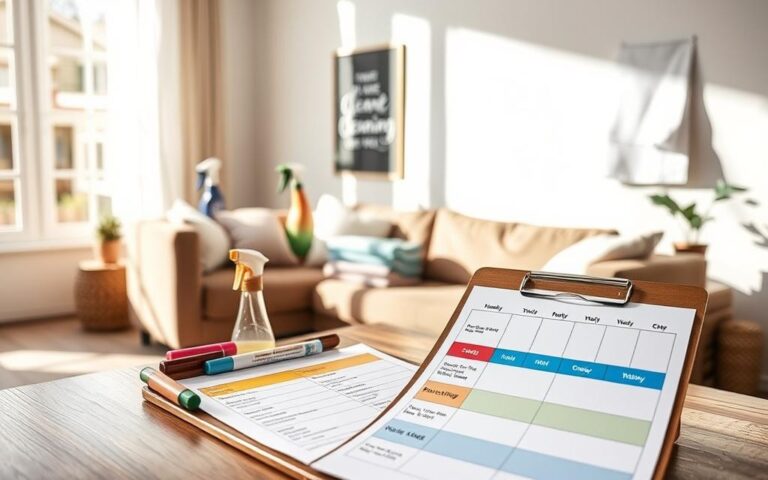
Organizing your cleaning tasks with a checklist helps make sure no chore is missed. A tailored list makes household chores more manageable and efficient.
Customizing Your Checklist
A great cleaning checklist should fit the unique aspects of your home. Include daily tasks like wiping counters, sweeping floors, and decluttering common spaces. This focuses on keeping your environment clean easily.
Digital vs. Traditional Checklists
Choosing digital or traditional checklists depends on your preferences. Digital options, like the Todoist app or Google Keep, help track tasks anywhere and offer reminders. Traditional paper checklists give a sense of achievement when you cross off completed tasks.
Keeping Track of Progress
Tracking your cleaning tasks can boost your motivation. Regularly updating your checklist shows your efforts, making it easier to stick to daily habits.
| Checklist Type | Advantages | Disadvantages |
|---|---|---|
| Digital Checklist | Convenient, Portable, Reminder Alerts | Requires a Device, Digital Distractions |
| Traditional Checklist | Tactile Satisfaction, Simple | Paper Waste, No Reminders |
In the end, whether you use a digital or traditional checklist is up to you. The important part is to stay consistent in tracking your cleaning tasks. This ensures you maintain a clean and organized home.
Importance of Decluttering
Decluttering is key to a daily cleaning routine. By focusing on decluttering, you keep a clean and organized living space. This promotes efficiency and reduces stress.
Quick decluttering strategies can make the process easier and more manageable.
Strategies for Quick Decluttering
Using quick decluttering strategies can improve your daily routine. Spend a few minutes each day sorting through items. Focus on one area at a time to avoid feeling overwhelmed.
Identifying Items to Keep or Discard
A big part of decluttering is deciding what to keep or discard. Look at each item’s usefulness and sentimental value. Items not used in the past year should be considered for donation or disposal.
This way, you ensure that only essential items fill your space.
The One In, One Out Rule
Following the one in, one out rule helps you maintain a clutter-free home. When you bring in a new item, remove an old one. This keeps your home organized and prevents clutter buildup.
Incorporating Deep Cleaning into Your Routine
Deep cleaning is important for keeping a fresh home. A deep cleaning schedule makes sure your home stays welcoming and hygienic.
Weekly vs Monthly Deep Clean
Deciding whether to do tasks weekly or monthly can help simplify your routine. Weekly cleaning tasks include scrubbing bathroom tiles and wiping kitchen cabinets. Monthly tasks include washing windows and deep cleaning carpets.
Scheduling Deep Cleaning Days
Effective planning is key to managing your deep cleaning schedule. Set specific days for these chores to prevent feeling overwhelmed. Some families dedicate one weekend each month to tackle intensive tasks.
Cleaning Products for Heavy-duty Tasks
Choosing the right heavy-duty cleaning products can greatly improve your cleaning. Popular choices include Clorox Disinfecting Wipes and Lysol Power Cleaner. Hoover Deep Cleaning Carpet Shampoos also help remove stubborn dirt and grime easily.
Personalizing Your Daily Routine
A well-planned cleaning routine can improve your home’s cleanliness and efficiency. Tailoring tasks to your household needs makes them manageable and effective.
Understanding Your Home’s Needs
Every home is unique. Identifying its specific needs is the first step in creating a cleaning routine.
Think about the size of your space, how many people live there, and any challenges like high-traffic areas or tricky surfaces. A personalized routine will help you address these unique needs.
Adjusting Tasks Based on Seasons
Seasonal cleaning changes are important for keeping a spotless home. For example, in fall, more outdoor debris means you need to sweep or vacuum entryways more often.
In summer, focus on changing air filters and maintaining your HVAC. Adapting tasks to seasonal changes helps keep your home in great shape year-round.
Adapting to Changing Lifestyles
Lifestyles change, and your cleaning routine should too. Adding children or pets often requires new cleaning strategies.
For instance, homes with pets need frequent vacuuming to manage pet hair. Families with young kids should disinfect surfaces more often to ensure a healthy environment.
Adjusting your routine keeps your home comfortable and healthy.
Eco-friendly Cleaning Options
Eco-friendly cleaning options are more than just a trend. They are a necessity for a sustainable future. By choosing natural cleaning products and reducing waste, you can keep your home clean and help the environment.
This section explores different ways to create a green cleaning routine. You will find natural products as well as DIY solutions.
Natural Cleaning Products
Using natural cleaning solutions minimizes exposure to harsh chemicals. Products like baking soda, white vinegar, and hydrogen peroxide are safe and effective. Brands like Seventh Generation and Mrs. Meyer’s offer eco-friendly cleaning options for everyday use.
These natural solutions can work just as well as traditional cleaning products. They help maintain cleanliness without harmful chemicals.
Creating DIY Cleaning Solutions
Making DIY cleaning products is cost-effective and easy. Common items like baking soda and vinegar can be used to create powerful cleaners. For example, a mix of vinegar and water makes a great all-purpose cleaner.
Check out this zero-waste cleaning guide for more DIY recipes and tips.
Reducing Waste While Cleaning
Reducing waste is an important part of eco-friendly cleaning. Instead of using single-use paper towels, choose reusable cloths like Swedish Dishcloths. These are plastic-free, highly absorbent, and good for the planet.
You can also repurpose old towels and toothbrushes for cleaning. This ensures your tools are effective and eco-friendly, cutting down on waste.
Incorporating eco-friendly cleaning habits into your routine is simple. By using natural cleaning solutions, DIY products, and reusable tools, you can keep your home clean. These sustainable practices benefit both you and the planet.
Involving the Family in Daily Cleaning
Involving family members in daily cleaning can change how homes stay clean. Everyone learns skills and helps create a happy living environment. Assigning appropriate tasks makes chores easier for everyone, even the youngest members.
Assigning Age-appropriate Tasks
Distributing chores for children by age makes cleaning easier and builds responsibility. Younger kids can handle simple tasks like dusting or picking up toys. Meanwhile, teenagers can manage vacuuming and dishwashing.
Building a Team Spirit
When families work together, it strengthens teamwork and unity. Regular team cleaning efforts teach children cooperation and shared responsibility. Cleaning sessions also become chances for bonding and learning important life skills.
Establishing Cleaning Days Together
Setting specific cleaning days helps all family members know when to help. These scheduled times encourage consistency and accountability for chores. Making cleaning a regular family activity can turn chores into fun events.
| Age Group | Age-appropriate Tasks | Skills Developed |
|---|---|---|
| Toddlers (2-4 years) | Picking up toys, dusting with help | Basic motor skills, following instructions |
| Children (5-9 years) | Setting the table, feeding pets | Responsibility, routine following |
| Pre-teens (10-12 years) | Taking out trash, organizing their rooms | Independence, task management |
| Teenagers (13-18 years) | Vacuuming, dishwashing, laundry | Self-sufficiency, multi-tasking |
Troubleshooting Common Cleaning Challenges
Cleaning your home can feel overwhelming. However, tackling common cleaning challenges helps you keep a spotless environment. From procrastination to stubborn stains, effective strategies make a big difference.
Overcoming Cleaning Procrastination
Overcoming procrastination starts by breaking tasks into smaller sections. Focus on specific areas, like dusting shelves or vacuuming. Setting a timer for each task helps create urgency and keeps you on track.
Finding Time in a Busy Schedule
In today’s fast-paced world, finding time to clean is tough. Prioritizing and planning around commitments helps you keep a clean home. Add cleaning tasks to your daily routine, like wiping counters while your coffee brews.
Dealing with Stubborn Stains
Stubborn stains can be very frustrating. With the right stain removal tips, you can handle them effectively. Use products designed for each stain type and follow the manufacturer’s instructions for the best results.
For example, pre-treat a wine stain with baking soda and vinegar to break it down before laundering.
By tackling these common cleaning challenges practically, you can maintain a clean and welcoming home effortlessly.
Evaluating and Adjusting Your Routine
Keeping a cleaning schedule is more than just checking off tasks. It’s important to review its effectiveness regularly. Reflecting on successes and challenges helps you find what works and what can improve.
This reflection often shows where adjustments can streamline your cleaning routine. It can also make it easier for everyday use.
Reflecting on Successes and Challenges
Regularly reviewing your cleaning routine helps you see what tasks you finish quickly. You can also spot which tasks get postponed often.
By noticing these patterns, you can decide if certain tasks should be broken down. Smaller tasks can be easier to fit into your life.
For a comprehensive guide on making a realistic cleaning routine, check out this helpful resource.
When to Revise Your Cleaning Plan
Since life changes often, your cleaning plan should be able to adapt. If you have had a big change, like moving or getting a new family member, it’s time to rethink your routine.
Evaluating how well your cleaning routine works is important. Making necessary adjustments helps keep it relevant and efficient.
Celebrating Achievements in Cleanliness
Recognizing your cleaning wins is a great way to stay motivated. Enjoying a clean home or feeling accomplished can inspire you.
These little victories can boost your dedication to cleanliness. Include these achievements in your routine as reminders of your success.